
Sake Under Sakura: New Rules at St. Petersburg Botanical Garden
St. Petersburg's botanical garden bans drinking sake under cherry blossoms, sparking discussions on cultural practices. Discover why it matters and what happens
- BackZee
- 5 min read
TL;DR 🚀
Make sure to check our deep dive on why this matters.
- St. Petersburg’s botanical garden has banned drinking sake under cherry blossoms.
- The decision aims to preserve the serene atmosphere of the garden.
- This move has sparked conversations about cultural customs and public spaces.
- The ban reflects a growing trend prioritizing tranquility in public areas.
- Similar policies are emerging in parks worldwide, raising questions about cultural adaptation.
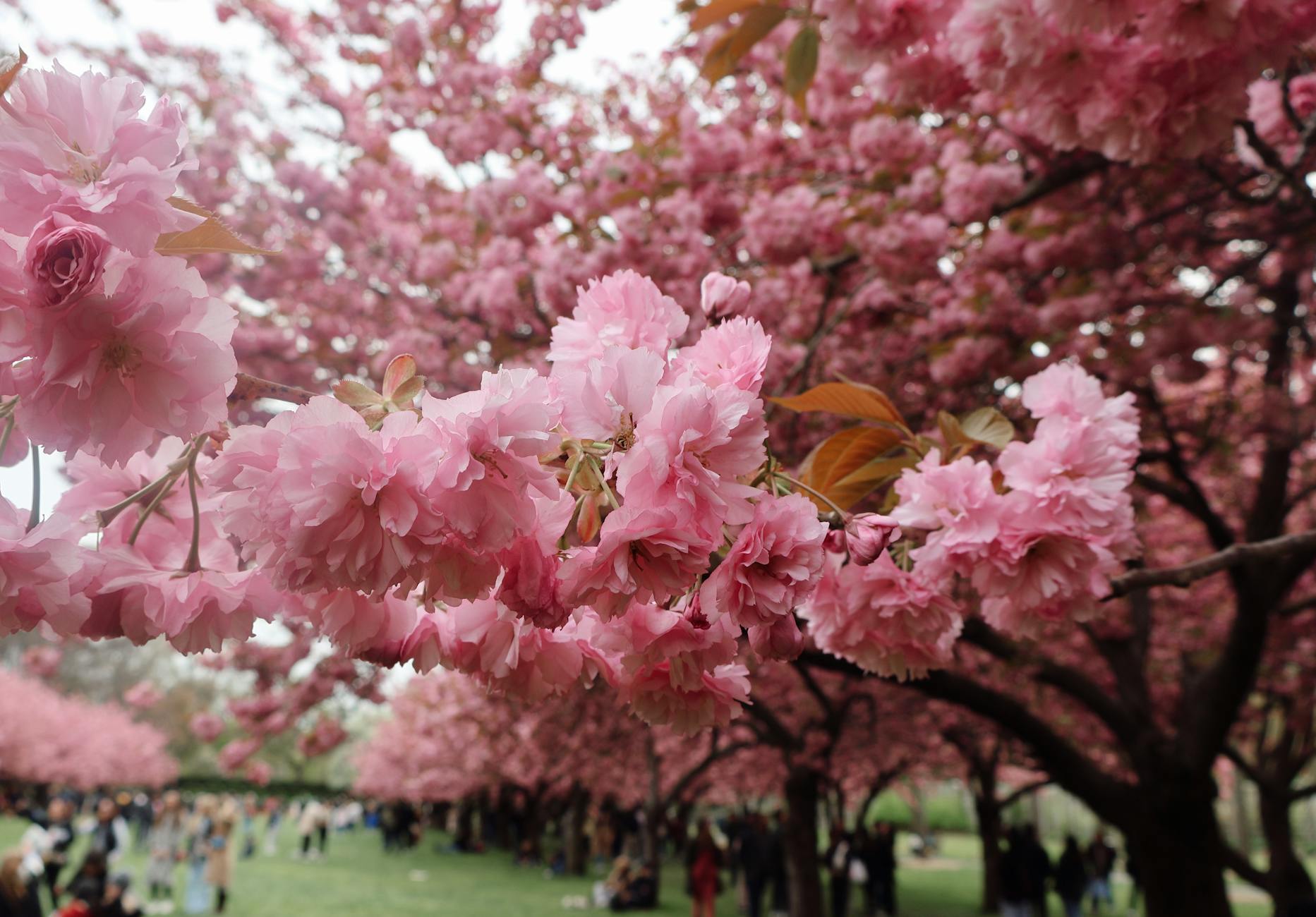
In a surprising turn of events, the St. Petersburg Botanical Garden has implemented a ban on drinking sake beneath its iconic cherry blossoms. This decision has ignited discussions about the intersection of cultural practices and the preservation of public spaces, particularly during the enchanting sakura season. The cherry blossoms, or sakura, have long been a symbol of beauty and renewal, attracting visitors from all over the world. However, the garden’s management has decided that drinking alcohol in this serene environment disrupts the tranquil experience they aim to provide.
A Blossoming Controversy 🌸
The cherry blossom trees, or sakura, have long been a symbol of beauty and renewal, attracting visitors from all over. However, the garden’s management has decided that drinking alcohol in this serene environment disrupts the tranquil experience they aim to provide. This ban has raised eyebrows among locals and tourists alike, many of whom view enjoying sake under the blooming trees as a cherished tradition.
The garden’s administration argues that the presence of alcohol can lead to unruly behavior, detracting from the peaceful enjoyment of nature. In Japan, hanami (花見), the tradition of cherry blossom viewing, often involves picnics and celebrations accompanied by drinks. This cultural practice has been celebrated for centuries, with families and friends gathering to appreciate the fleeting beauty of the blossoms. However, the St. Petersburg Botanical Garden’s decision reflects a growing trend among public spaces to prioritize serenity and safety over traditional practices.
While some visitors have expressed disappointment, others support the decision, emphasizing the need to maintain a respectful atmosphere in such a beautiful setting. According to a survey conducted by a local news outlet, approximately 60% of respondents supported the ban, citing the importance of preserving the garden’s tranquility.
Cultural Practices Under Scrutiny 🍶
The ban on sake drinking has sparked a broader conversation about cultural practices in public spaces. Many people associate cherry blossom viewing with picnics and celebrations, often accompanied by drinks. This tradition, known as hanami in Japan, is a time for friends and families to gather and appreciate the fleeting beauty of the blossoms.
However, the question arises: should cultural customs be adapted to fit modern public expectations? The St. Petersburg Botanical Garden’s decision reflects a growing trend among public spaces to prioritize serenity and safety over traditional practices. This has led to a mixed response from the community, with some advocating for a balance between cultural expression and the preservation of public tranquility.
Quick Takeaways 📌
- The ban aims to maintain a peaceful environment.
- Cherry blossom viewing is traditionally a festive occasion.
- Public spaces are increasingly prioritizing serenity over tradition.
- Cultural practices may need to adapt to modern expectations.
- The decision has sparked a larger conversation about public space usage.
The Impact of the Ban 🌍
The decision to prohibit sake drinking under the sakura trees may have implications beyond the garden itself. As more public spaces adopt similar policies, it raises questions about how we can celebrate cultural traditions while respecting the needs of the community.
For instance, parks and gardens worldwide are grappling with similar issues. In cities like Tokyo, where hanami is a major event, local authorities have implemented rules to manage crowds and maintain cleanliness. According to the Tokyo Metropolitan Government, over 1.5 million people participate in hanami festivities each spring, leading to challenges in waste management and noise control. The challenge lies in finding a middle ground that honors cultural practices while ensuring a pleasant experience for all visitors.
The Future of Public Spaces
As society evolves, so too do our public spaces. The St. Petersburg Botanical Garden’s decision may serve as a case study for other institutions facing similar dilemmas. Balancing cultural heritage with the need for a peaceful environment is no small feat, but it’s essential for the future of communal spaces.
In light of this, some experts suggest that public gardens could create designated areas for cultural celebrations, where traditional practices can be observed without disrupting the overall atmosphere. This could include specific days or times for hanami festivities, allowing for a respectful coexistence of tradition and tranquility.
FAQ ❔
Why was the ban on drinking sake implemented?
The ban was introduced to preserve the tranquil atmosphere of the botanical garden, as the management felt that alcohol consumption could lead to disruptive behavior.
How has the public reacted to this decision?
Reactions have been mixed; while some visitors support the ban for maintaining peace, others are disappointed as they view drinking sake under the cherry blossoms as a cherished tradition.
Are there similar bans in other public spaces?
Yes, many public parks and gardens around the world are implementing rules to manage alcohol consumption, especially during large gatherings, to ensure a safe and enjoyable environment for all visitors.
What are the cultural implications of this ban?
The ban raises questions about how cultural practices adapt to modern public expectations and the need for serenity in communal spaces. It highlights the ongoing dialogue about balancing tradition with contemporary societal norms.
Could this decision influence other botanical gardens?
It is likely that other botanical gardens and public spaces will observe the reactions to this ban and consider similar policies, particularly in areas where cultural practices intersect with public enjoyment and safety.