
Sake Drinking Banned Under Cherry Blossoms in St. Petersburg
St. Petersburg's botanical garden prohibits sake consumption under cherry blossoms to preserve the serene environment. Discover why it matters and what happens
- BackZee
- 5 min read
TL;DR 🚀
Make sure to check our deep dive on why this matters.
- Sake drinking is now prohibited in St. Petersburg’s botanical garden.
- The ban aims to maintain a peaceful atmosphere during cherry blossom season.
- Visitors are encouraged to enjoy the beauty of nature responsibly.
- The cherry blossom season attracts thousands of visitors, highlighting the need for regulations.
- Local support for the ban reflects a desire to preserve the garden’s tranquility.
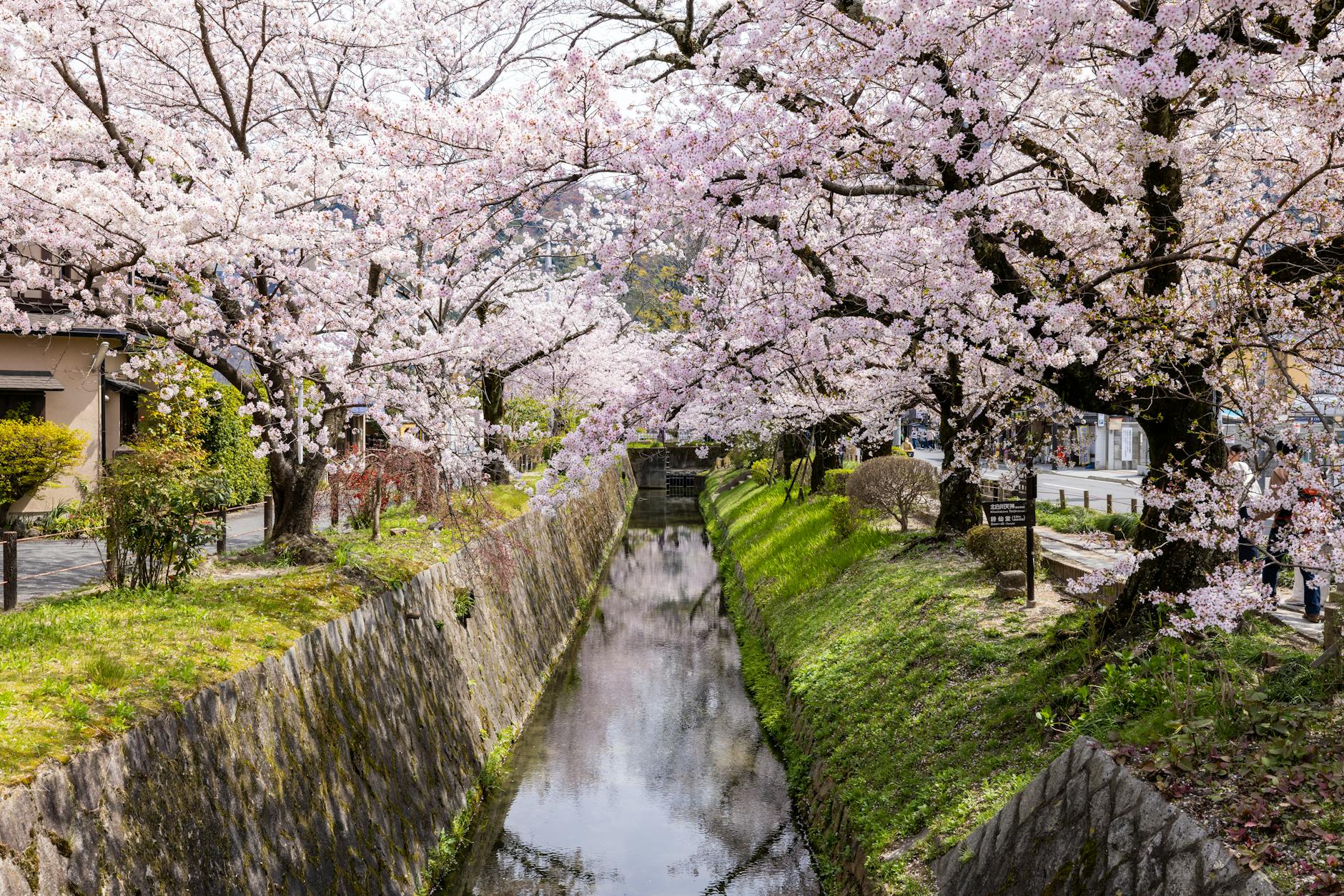
In a surprising move, St. Petersburg’s botanical garden has officially banned the consumption of sake beneath its stunning cherry blossom trees. This decision reflects a growing concern for maintaining a tranquil environment, especially during the peak bloom season when visitors flock to admire the breathtaking scenery. The cherry blossoms, or sakura, have become a major attraction in St. Petersburg, drawing crowds eager to experience their fleeting beauty.
A Blossoming Controversy 🌸
The cherry blossoms have a rich cultural significance, symbolizing renewal and the transient nature of life in Japanese culture. In St. Petersburg, the blooming of these trees has become a cherished event, drawing thousands of visitors each year. However, the garden’s administration has expressed that the influx of visitors, often accompanied by alcohol, disrupts the serene atmosphere they strive to cultivate.
The ban on sake is part of a broader initiative to ensure that guests can enjoy the blossoms without the disturbances that often accompany drinking. Officials emphasize that the goal is to create a space where nature can be appreciated in its purest form. The decision comes after numerous complaints from visitors who felt that the presence of alcohol led to rowdy behavior, detracting from the peaceful experience that the garden aims to provide.
Visitors are encouraged to respect the garden’s rules and to find alternative ways to celebrate the season. For those looking to enjoy the blossoms, the garden offers various activities and events that promote mindfulness and appreciation of nature, such as guided meditation sessions and photography workshops.
The Impact of the Ban 🍃
While some may view the ban as overly restrictive, many locals and nature enthusiasts support the move. The botanical garden is a sanctuary, and maintaining its tranquility is vital for both the flora and the visitors. According to recent statistics, the botanical garden sees an increase of over 50% in visitors during the cherry blossom season, making it essential to implement regulations to ensure a pleasant experience for all.
As the cherry blossoms bloom, the garden becomes a hub of activity, with families, photographers, and nature lovers all vying for the perfect shot. However, the presence of alcohol can lead to rowdiness, which detracts from the experience for others. The administration hopes that this ban will encourage a more respectful interaction with the environment. By focusing on the beauty of the blossoms rather than the distractions of drinking, visitors can foster a deeper connection with nature.
Moreover, the ban aligns with a global trend of promoting responsible tourism, where the focus is on preserving natural spaces for future generations. Many cities around the world have implemented similar restrictions in parks and natural reserves to combat the negative effects of alcohol consumption on the environment and community.
Quick Takeaways 📌
- The ban on sake is aimed at preserving the garden’s peaceful environment.
- Cherry blossoms attract many visitors, increasing the need for regulations.
- The botanical garden promotes alternative ways to enjoy the season.
- Local support for the ban highlights a community commitment to tranquility.
- The decision reflects a broader trend in responsible tourism practices.
FAQ ❔
Why was the sake ban implemented?
The ban was put in place to maintain a peaceful atmosphere in the botanical garden, especially during the cherry blossom season when crowds are at their peak. The administration aims to preserve the natural beauty of the garden and ensure that all visitors can enjoy the experience without disturbances.
How will this affect visitors?
Visitors are encouraged to enjoy the beauty of the blossoms without the distractions of alcohol, fostering a more respectful and serene environment. The ban is expected to enhance the overall experience for families, photographers, and nature enthusiasts alike.
Are there any alternatives for visitors?
Yes, the botanical garden offers various activities and events that promote mindfulness and appreciation of nature, allowing guests to celebrate the season responsibly. These may include guided tours, art installations, and workshops focused on the cultural significance of cherry blossoms.
What are the cultural implications of cherry blossoms in St. Petersburg?
Cherry blossoms hold a special place in many cultures, particularly in Japan, where they symbolize the transient nature of life. In St. Petersburg, the blooming of these trees has become a cultural event that fosters community engagement and appreciation for nature’s beauty.
How has the local community reacted to the ban?
The local community has largely supported the ban, recognizing the importance of preserving the tranquility of the botanical garden. Many residents believe that the ban will enhance the experience for all visitors and contribute to a more respectful interaction with the environment.
In conclusion, the decision to ban sake under the cherry blossoms in St. Petersburg’s botanical garden reflects a commitment to preserving the natural beauty and tranquility of this beloved space. As visitors adapt to these new regulations, they are invited to engage with nature in a more meaningful way, ensuring that the cherry blossoms can be enjoyed by all for years to come.