
Moscow Launches New River Electric Transport Route: Luzhniki to Kie...
Moscow introduces a new electric transport route connecting Luzhniki and Kievsky, enhancing urban mobility and eco-friendly travel options. Discover why it matt
- BackZee
- 5 min read
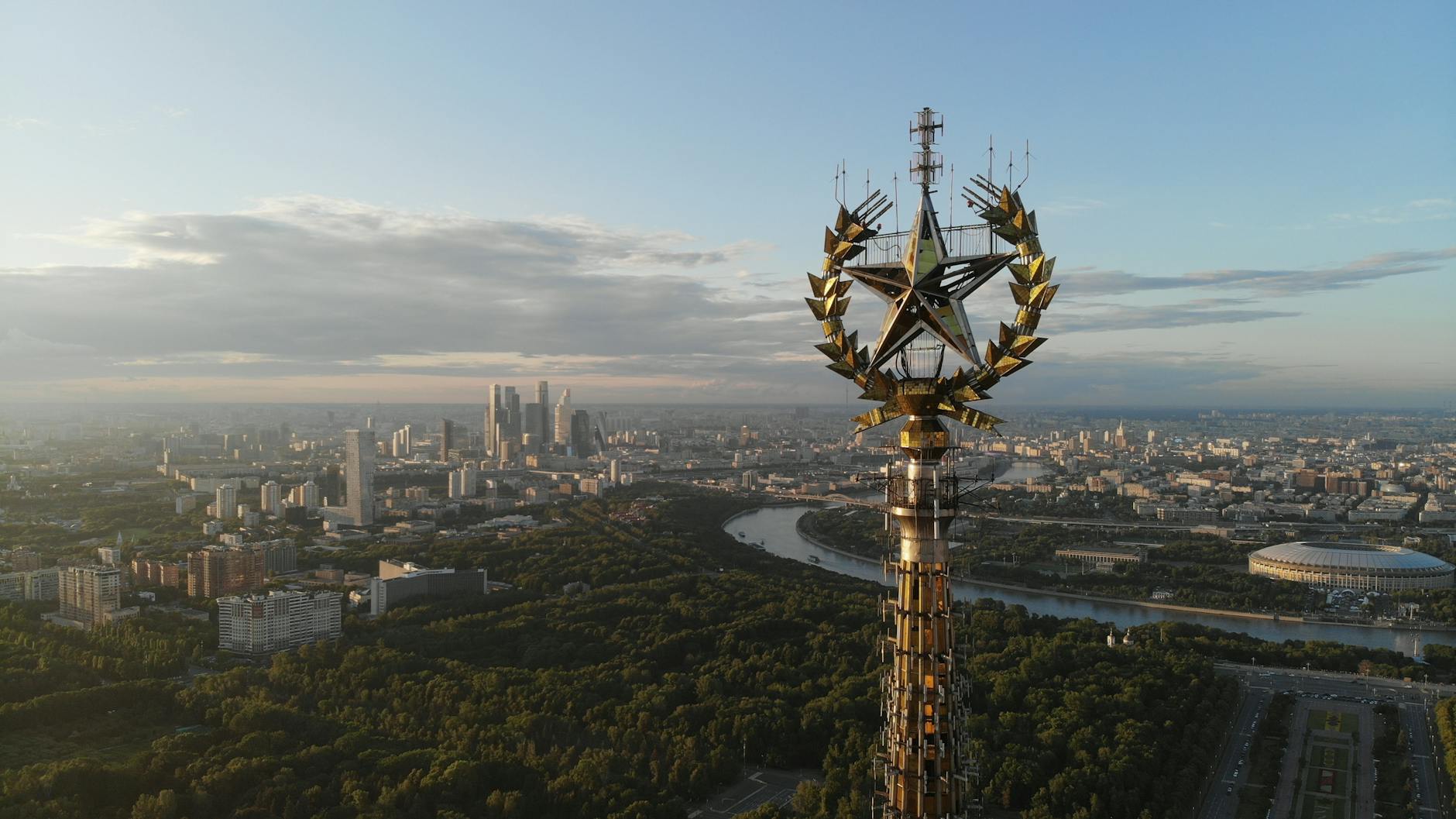
TL;DR 🚀
Make sure to check our deep dive on why this matters.
- Moscow is launching its fourth river electric transport route.
- The new route connects Luzhniki and Kievsky, enhancing city travel.
- This initiative promotes eco-friendly transportation options.
- The project aims to reduce urban traffic congestion and pollution.
- Passengers can enjoy scenic views while traveling along the river.
Moscow is set to elevate its public transport game with the introduction of a new river electric transport route. Connecting the bustling Luzhniki area to the iconic Kievsky station, this initiative aims to provide residents and tourists with a sustainable travel option while enjoying the scenic views of the city. The new route is a testament to Moscow’s commitment to modernizing its transport infrastructure, making it more accessible and environmentally friendly.
New Route Details 🚤
The upcoming route will be the fourth of its kind in Moscow, showcasing the city’s commitment to expanding its electric transport network. This new service is designed to accommodate both daily commuters and leisure travelers, making it a versatile addition to the city’s transport landscape.
Passengers can expect a comfortable and eco-friendly ride along the river, with modern electric vessels that minimize environmental impact. The route promises to offer stunning views of Moscow’s riverside attractions, including the majestic Cathedral of Christ the Savior and the historic Gorky Park, making it not just a means of transport but also a unique experience.
Key Features of the New Route:
- Scenic Views: Passengers can enjoy picturesque landscapes along the river, including iconic landmarks and lush greenery.
- Eco-Friendly: Electric vessels contribute to reducing urban pollution, aligning with global sustainability goals.
- Convenient Access: Connects major hubs for easy transfers, enhancing the overall efficiency of the public transport system.
Cultural Insights
Moscow’s river transport has a rich history, dating back to the 18th century when the Moskva River was a vital trade route. The introduction of electric vessels is a modern twist on this historical significance, blending tradition with innovation. The new route not only serves practical purposes but also offers a cultural experience, allowing passengers to appreciate the city’s heritage from a unique vantage point.
Enhancing Urban Mobility 🌍
This initiative is part of a broader strategy to enhance urban mobility in Moscow. By integrating river transport into the public transport system, the city aims to alleviate traffic congestion and provide an alternative to traditional road travel.
The launch of this route aligns with global trends towards sustainable urban transport solutions. Cities around the world are increasingly investing in electric and water-based transport to reduce their carbon footprint. According to a report by the International Transport Forum, urban transport accounts for approximately 40% of global CO2 emissions. Moscow’s new route is a step in the right direction, reflecting a commitment to modernizing its transport infrastructure while prioritizing environmental sustainability.
Benefits of River Transport:
- Reduced Traffic: Less reliance on road vehicles can ease congestion, particularly during peak hours when Moscow’s streets are notoriously busy.
- Tourism Boost: Scenic routes can attract more visitors to the city, enhancing the local economy. The picturesque views along the river are expected to become a popular attraction for both locals and tourists.
- Cultural Experience: Offers a unique way to explore Moscow’s heritage, allowing passengers to appreciate the city’s architecture and history from the water.
Quick Takeaways 📌
- The new route is part of Moscow’s sustainable transport strategy.
- It aims to improve urban mobility and reduce traffic congestion.
- Passengers can enjoy a unique travel experience along the river.
- The initiative reflects global trends towards eco-friendly transportation.
- It enhances connectivity between key areas of the city.
FAQ ❔
What is the purpose of the new river transport route?
The new river transport route aims to provide an eco-friendly travel option for residents and tourists, enhancing urban mobility and reducing traffic congestion in Moscow.
When will the new route be operational?
The specific operational date has not been disclosed yet, but it is expected to launch soon as part of Moscow’s ongoing transport improvements.
How does this initiative align with global transport trends?
This initiative reflects a growing global emphasis on sustainable transport solutions, as cities worldwide are investing in electric and water-based transport to reduce their environmental impact and improve urban mobility.
What types of vessels will be used on this route?
The route will utilize modern electric vessels designed for comfort and efficiency. These vessels are equipped with amenities to enhance the passenger experience while ensuring minimal environmental impact.
How will this route affect existing transport options?
The new river route is expected to complement existing transport options, providing an alternative for commuters and tourists alike. By offering a scenic and eco-friendly mode of transport, it aims to reduce the burden on road networks and improve overall urban mobility.
As Moscow continues to innovate its transport systems, the introduction of this new river electric transport route marks a significant step towards a more sustainable and efficient urban environment. With the potential to transform how residents and visitors navigate the city, this initiative not only enhances connectivity but also promotes a greener future for urban transport. The integration of such routes into the public transport network is a forward-thinking approach that other cities may look to emulate as they strive for sustainability in urban mobility.