
Heartwarming Farewell: Zoo Euthanizes Capybara and Tapir Together
A British zoo makes a compassionate decision to euthanize a capybara and a tapir on the same day to prevent loneliness. Discover why it matters and what happens
- BackZee
- 5 min read
TL;DR 🚀
Make sure to check our deep dive on why this matters.
- A British zoo decided to euthanize a capybara and a tapir on the same day.
- The decision was made to ensure neither animal would be left alone.
- This compassionate act highlights the importance of animal companionship.
- The incident raises awareness about the emotional lives of animals in captivity.
- It reflects a broader movement towards ethical animal care in zoos.
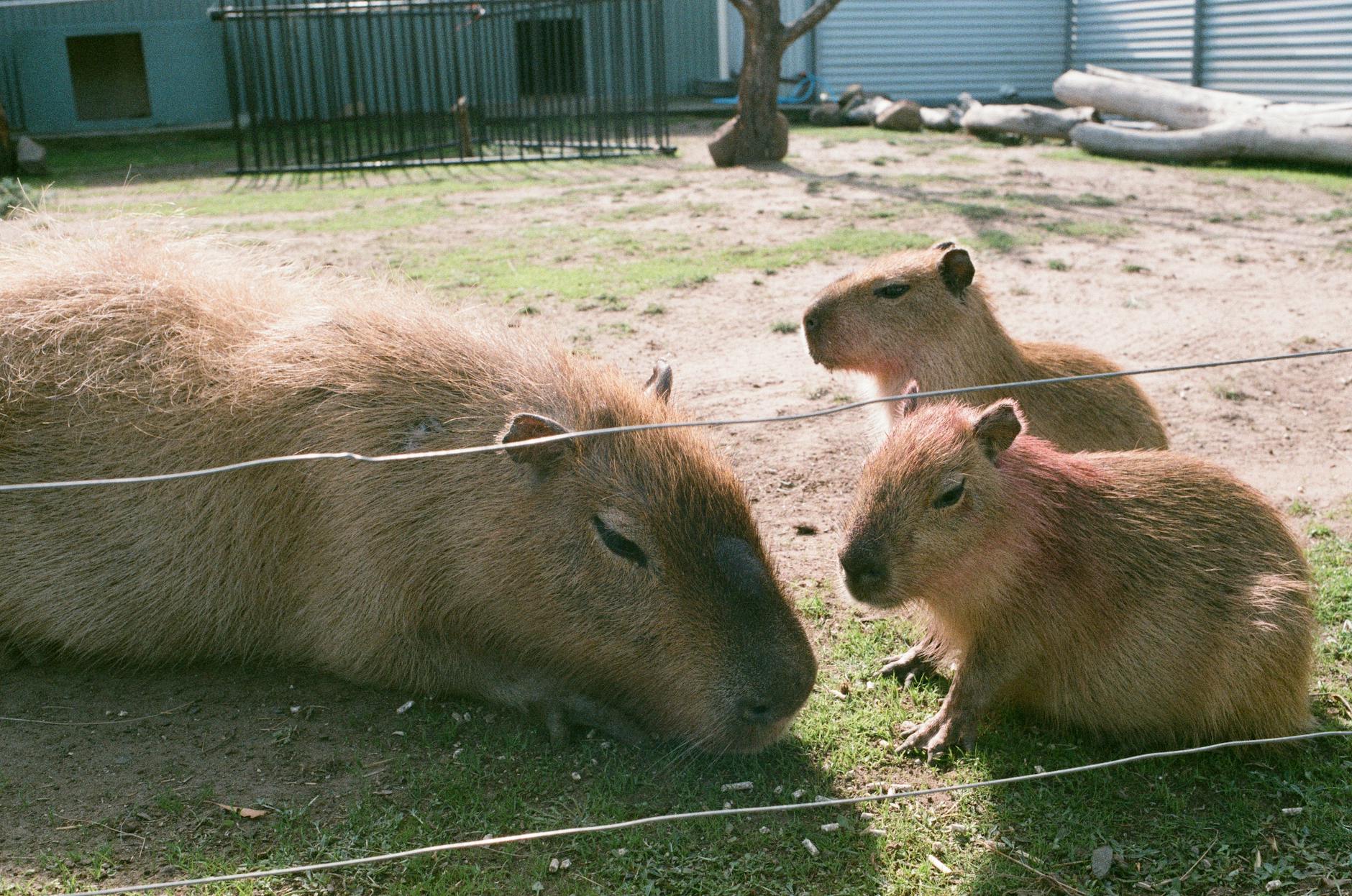
In a poignant turn of events, a British zoo has made the heart-wrenching decision to euthanize both a capybara and a tapir on the same day. This choice was driven by a desire to prevent either animal from experiencing loneliness in their final moments, showcasing a profound understanding of animal emotions and companionship.
A Compassionate Choice 🐾
The zoo’s staff faced a difficult situation when they realized that both the capybara and the tapir were nearing the end of their lives due to age-related health issues. Capybaras, native to South America, typically live around 8 to 10 years in the wild, while tapirs can live up to 30 years in captivity. The decision to euthanize these beloved animals was not made lightly; it involved careful consideration of their quality of life and the emotional bonds they had formed over the years.
Euthanasia, while a painful decision, was deemed the most humane option to spare them from suffering. By choosing to put them down together, the zoo aimed to provide comfort in their final moments, ensuring that neither would have to face the end alone. This act of compassion has resonated with many animal lovers and advocates for animal welfare, sparking discussions about the ethical responsibilities of zoos.
This decision has sparked conversations about animal welfare and the ethical responsibilities of zoos. Many animal lovers appreciate the zoo’s commitment to ensuring that their animals are treated with dignity and compassion, even in death. The emotional bond between these two species, often seen in the wild, further emphasizes the importance of companionship in the animal kingdom.
Understanding Animal Emotions 💔
Animals, much like humans, experience emotions and form bonds with one another. The capybara and tapir had spent years together in the zoo, creating a unique friendship that staff members cherished. Capybaras are known for their social nature, often living in groups, while tapirs are more solitary but can form strong attachments to their companions. This bond was a significant factor in the decision to euthanize them simultaneously.
Research has shown that animals can exhibit signs of grief and depression when they lose a companion. For instance, elephants are known to mourn their dead, often returning to the site of a deceased herd member for years. This incident serves as a reminder of the responsibility zoos have to ensure their animals are not just surviving but thriving in their environments.
Quick Takeaways 📌
- The capybara and tapir had a long-standing friendship.
- Euthanasia was chosen to prevent loneliness.
- The decision reflects a growing awareness of animal emotions.
- Animals can experience grief, highlighting the need for emotional care.
- The incident encourages discussions on ethical practices in zoos.
The Bigger Picture 🌍
This incident is not just about two animals; it reflects a broader movement towards compassionate animal care in zoos worldwide. Many facilities are now prioritizing the emotional well-being of their inhabitants, recognizing that animals are sentient beings with complex feelings. The World Animal Protection organization has reported that over 70% of the public believes that animals in zoos should have the same rights as those in the wild, including the right to live in social groups and experience companionship.
For those interested in the evolving standards of animal care, this story aligns with ongoing discussions about ethical practices in zoos. Facilities are increasingly adopting policies that prioritize not just the physical health of animals but also their emotional needs. You can explore more about animal welfare in our related post on /posts/animal-welfare-standards.
FAQ ❔
Why did the zoo choose to euthanize both animals?
The zoo made this decision to prevent either the capybara or the tapir from experiencing loneliness in their final moments, as they had formed a close bond over the years.
What does this incident say about animal welfare in zoos?
This event highlights the growing awareness and commitment to animal welfare in zoos, emphasizing the importance of emotional well-being alongside physical care.
How can zoos improve the emotional lives of their animals?
Zoos can enhance the emotional lives of their animals by fostering social bonds, providing enriching environments, and ensuring that animals are not isolated, especially in their later years.
Are there other examples of zoos making similar decisions?
Yes, there have been instances where zoos have chosen to euthanize animals together or allow them to pass in a more natural setting to prevent distress. These decisions often stem from a deep understanding of the animals’ social structures and emotional needs.
What role do visitors play in promoting animal welfare in zoos?
Visitors can advocate for better animal welfare practices by supporting zoos that prioritize ethical treatment, participating in educational programs, and voicing their concerns about animal care standards. Their engagement can lead to positive changes in how zoos operate.