
Moscow's Cat Lemur Rescued from Café: A Wild Twist!
A cat lemur was removed from a Moscow café and relocated to the zoo, sparking discussions about animal welfare in urban settings. Discover why it matters and wh
- BackZee
- 5 min read
TL;DR 🚀
Make sure to check our deep dive on why this matters.
- A cat lemur was taken from a Moscow café due to welfare concerns.
- The animal is now temporarily housed at the Moscow Zoo.
- This incident raises significant ethical questions about keeping exotic animals in urban environments.
- Public opinion is divided, with some supporting the café’s concept and others advocating for animal rights.
- The case highlights the need for stricter regulations on exotic pets in urban settings.
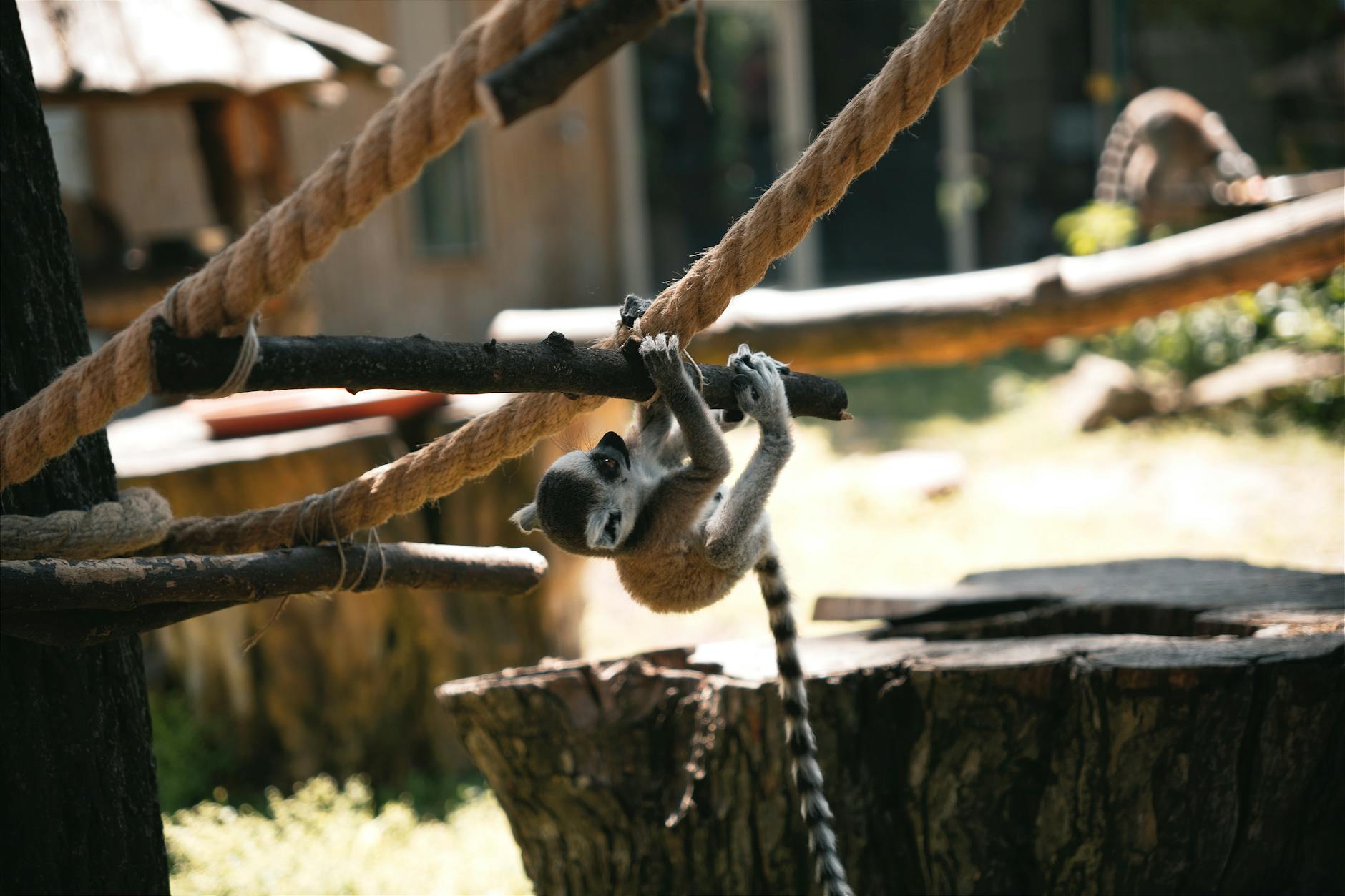
In a surprising turn of events, a cat lemur was recently removed from a café in Moscow, sparking conversations about the ethics of keeping exotic animals in urban settings. The lemur, known for its playful demeanor and unique appearance, has now found refuge at the Moscow Zoo, where it will be cared for until a more permanent solution is found. This incident not only highlights the plight of exotic animals in urban environments but also serves as a catalyst for broader discussions on animal welfare.
The Café Controversy 🐾
The incident unfolded at “Lemur Café Vasya,” a popular spot where patrons could enjoy drinks and snacks while interacting with various animals. The café, which opened its doors in 2020, aimed to create an immersive experience for animal lovers. However, the presence of a cat lemur in such an environment raises significant ethical questions. Many animal rights advocates argue that keeping exotic animals in cafés can lead to stress and poor living conditions.
According to a 2022 survey conducted by the Russian Animal Rights Alliance, 78% of respondents expressed concerns about the welfare of animals kept in entertainment venues. This statistic underscores a growing awareness among the public regarding the ethical implications of such establishments. The Moscow Zoo announced the lemur’s relocation via their Telegram channel, emphasizing their commitment to animal welfare. This move highlights the ongoing debate about the appropriateness of keeping wild animals in captivity, especially in settings that prioritize entertainment over their well-being.
- Animal welfare advocates have long criticized establishments that exploit animals for profit.
- The café’s patrons expressed mixed feelings, with some enjoying the unique experience while others voiced concerns about the lemur’s health and happiness.
- The café’s management defended their practices, claiming they provided a safe and enriching environment for the animals, but many experts disagree.
A New Home at the Zoo 🦙
Now residing at the Moscow Zoo, the cat lemur will receive specialized care from trained professionals. The zoo’s staff is dedicated to ensuring that the lemur adapts well to its new environment. This transition is crucial for the animal’s health, as it will be provided with a habitat that mimics its natural surroundings. The Moscow Zoo has a history of rehabilitating animals rescued from questionable situations, making it a fitting temporary home for the lemur.
The zoo’s facilities include spacious enclosures designed to replicate the lemur’s natural habitat, complete with climbing structures and foliage. This environment is essential for the lemur’s physical and psychological well-being, allowing it to engage in natural behaviors. As discussions about animal rights continue to evolve, this incident serves as a reminder of the responsibilities that come with caring for exotic pets. For more insights on animal welfare, check out our post on /posts/animal-rights-in-urban-settings.
Cultural Insights 🌍
In Russia, the fascination with exotic animals has grown significantly over the past decade. Social media platforms often showcase influencers posing with wild animals, contributing to a perception that such interactions are harmless. However, this trend raises serious concerns about the long-term effects on both the animals and the public’s understanding of wildlife conservation.
The cat lemur, native to Madagascar, is classified as endangered, with habitat loss and poaching threatening its survival. By keeping such animals in urban cafés, there is a risk of normalizing the idea that exotic pets can be commodified for entertainment. This incident serves as a wake-up call for society to reconsider its relationship with wildlife and the ethical implications of captivity.
Quick Takeaways 📌
- The cat lemur was removed from a café due to welfare concerns.
- It is now under the care of the Moscow Zoo, where it will receive proper care and attention.
- This situation highlights the need for better regulations regarding exotic animals in urban areas.
- Public sentiment is shifting towards prioritizing animal welfare over entertainment.
- The case underscores the importance of educating the public about the responsibilities of exotic pet ownership.
FAQ ❔
Why was the cat lemur removed from the café?
The cat lemur was taken from the café due to concerns about its welfare and the appropriateness of keeping such an exotic animal in a commercial setting. Experts noted that the café environment could lead to stress and behavioral issues for the lemur.
What will happen to the lemur now?
The lemur is currently housed at the Moscow Zoo, where it will receive proper care and attention until a more permanent solution is determined. The zoo is committed to ensuring the lemur’s health and well-being during its stay.
How does this incident affect the conversation around animal welfare?
This situation has reignited discussions about the ethics of keeping exotic animals in urban environments, emphasizing the need for stricter regulations and better living conditions for such creatures. It also highlights the importance of public awareness regarding animal welfare issues.
What can be done to improve the welfare of exotic animals in urban settings?
Advocacy for stricter regulations on the ownership and display of exotic animals is crucial. Public education campaigns can also help raise awareness about the needs of these animals and promote responsible pet ownership. Additionally, supporting sanctuaries and rehabilitation centers can provide better alternatives for animals in need.
Are there other similar cases in Moscow or elsewhere?
Yes, there have been several cases globally where exotic animals have been removed from inappropriate settings. For instance, in 2021, a capuchin monkey was rescued from a bar in Brazil, leading to similar discussions about animal welfare and the ethics of keeping wild animals in entertainment venues.