
Saudi Arabia Introduces Passports for Camels: A Unique Initiative
Saudi Arabia's government now issues official passports for camels, enhancing their status in the kingdom's culture and economy. Discover why it matters for Gen
- BackZee
- 5 min read
TL;DR 🚀
Make sure to check our deep dive on why this matters.
- Saudi Arabia is issuing official passports for camels.
- The initiative aims to enhance the cultural significance of camels.
- This move reflects the country’s commitment to animal welfare and tourism.
- The passports will include vital health and identification details.
- This initiative aligns with Saudi Arabia’s Vision 2030 for economic diversification.
In a surprising twist, Saudi Arabia has begun issuing official passports for camels, a move that highlights the animal’s cultural and economic importance in the region. This initiative, announced by the Ministry of Environment, Water, and Agriculture, aims to elevate the status of camels within Saudi society and promote tourism.
A New Era for Camels 🐪
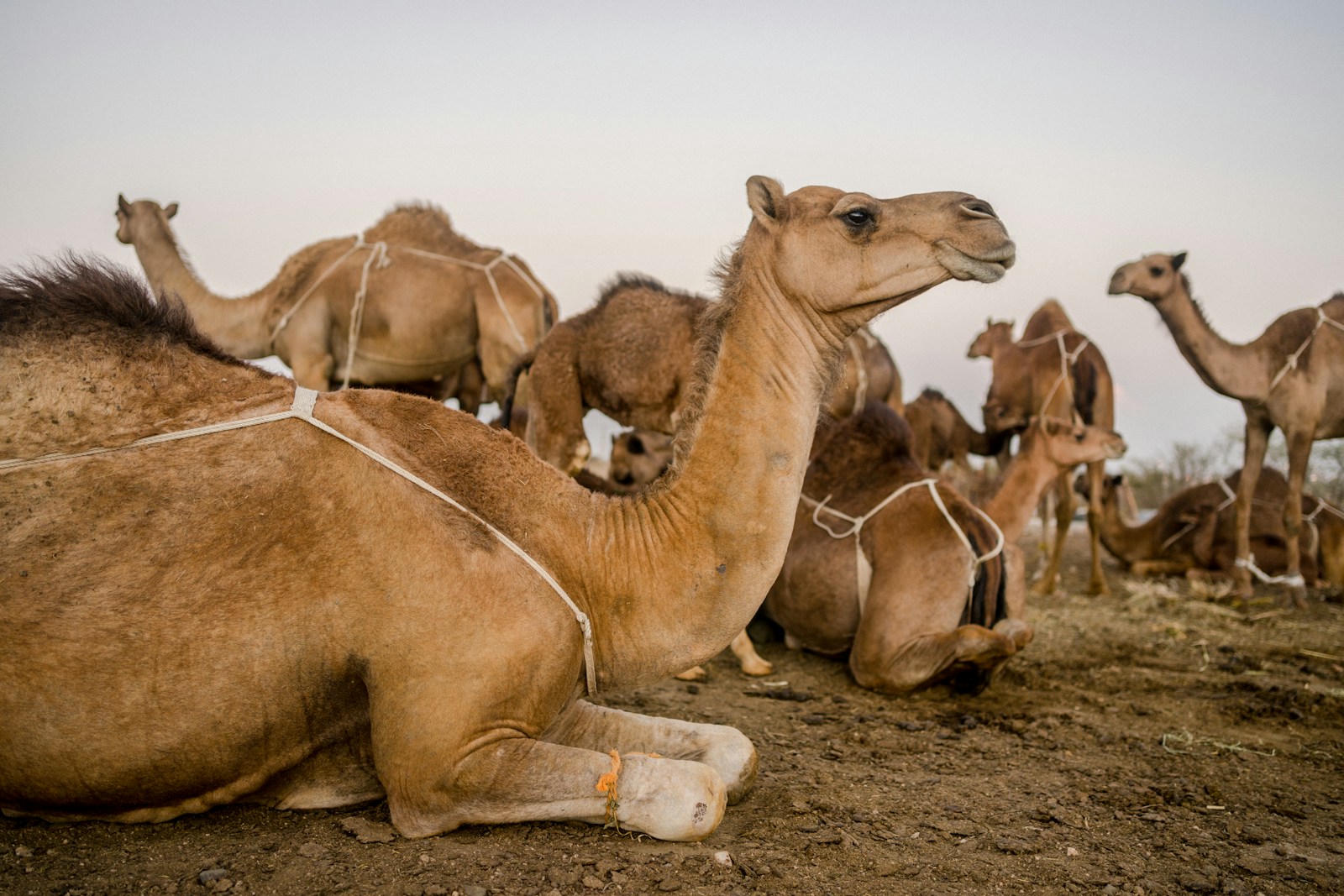
The decision to provide passports to camels is not just a quirky novelty; it symbolizes a deeper appreciation for these majestic creatures. Camels have long been integral to Saudi culture, serving as companions, transportation, and even participants in traditional races. Historically, they were referred to as the “ships of the desert,” facilitating trade and travel across the harsh landscapes of the Arabian Peninsula. By granting them passports, the government acknowledges their role in the kingdom’s heritage.
This initiative also opens doors for increased tourism, as it allows for better organization of events like camel races and festivals. Tourists can now engage with these events, knowing that the camels are recognized and valued. The passports will include important details about the camels, such as their breed, age, and health status, ensuring that they are well-cared for during travels.
For example, the King Abdulaziz Camel Festival, one of the largest camel festivals in the world, attracts thousands of visitors each year. With the introduction of camel passports, participants can ensure their camels meet health regulations and are eligible for competition, enhancing the overall experience for both owners and spectators.
Why This Matters 🌍
The issuance of camel passports is a reflection of Saudi Arabia’s broader goals regarding animal welfare and tourism. This unique program aligns with the kingdom’s Vision 2030 initiative, which aims to diversify the economy and enhance the quality of life for its citizens. By promoting cultural heritage through such initiatives, Saudi Arabia is positioning itself as a tourist-friendly destination.
In recent years, the Saudi government has recognized the potential of tourism as a significant economic driver. According to the Saudi Commission for Tourism and National Heritage, the tourism sector is expected to contribute over 10% to the country’s GDP by 2030. By integrating cultural elements like camel racing and festivals into the tourism framework, the kingdom is tapping into a rich vein of tradition that resonates with both locals and international visitors.
Additionally, the passports serve as a symbol of respect for the animals, ensuring they are treated with dignity. This move could inspire other countries to consider similar initiatives, recognizing the importance of animals in their cultural narratives. Countries like the United Arab Emirates have already embraced similar concepts, with camel racing being a celebrated sport, further emphasizing the region’s commitment to animal welfare and cultural heritage.
Quick Takeaways 📌
- Camels are culturally significant in Saudi Arabia, often referred to as the “ships of the desert.”
- The passport initiative promotes animal welfare and ensures proper care during travel.
- It enhances tourism opportunities in the kingdom, aligning with Vision 2030 goals.
- The initiative may inspire similar programs in other countries, reflecting a global trend towards animal welfare.
FAQ ❔
Why are camels important in Saudi culture?
Camels have been vital to Saudi culture for centuries, serving as transportation, sources of food, and participants in traditional events like races. Their significance is deeply rooted in the lifestyle and history of the region, representing resilience and adaptability in the harsh desert environment.
How will the camel passports be used?
The passports will contain essential information about each camel, such as breed, age, and health records. This documentation will facilitate travel and participation in events, ensuring the animals are well cared for. Additionally, it may help streamline the process of exporting camels for international events, further promoting Saudi culture abroad.
Is this initiative part of a larger plan?
Yes, this initiative is part of Saudi Arabia’s Vision 2030, which aims to diversify the economy and enhance the quality of life. By promoting cultural heritage and tourism, the kingdom is working towards a more sustainable future. The initiative also aligns with global trends prioritizing animal welfare and responsible tourism practices.
How will this affect camel owners?
Camel owners will benefit from the formal recognition of their animals, potentially increasing their value in the market. The passports may also facilitate participation in international competitions, opening new avenues for income and recognition for camel breeders and owners.
In conclusion, the introduction of camel passports in Saudi Arabia is a fascinating development that underscores the country’s commitment to its cultural roots and animal welfare. As the kingdom continues to evolve, initiatives like this will undoubtedly play a crucial role in shaping its identity on the global stage. By intertwining tradition with modernity, Saudi Arabia is not only preserving its heritage but also paving the way for a vibrant future in tourism and cultural exchange.