
11 Iconic Posters That Shaped Our World: From Che to Obama
Explore 11 transformative posters that have left a mark on culture and society, from Che Guevara to Barack Obama. Discover why it matters and what happens next.
- BackZee
- 5 min read
TL;DR 🚀
- Discover 11 influential posters that have impacted society.
- The festival “DAFES Typography” runs from March 24 to April 12 in Moscow.
- Learn how lithography revolutionized poster art.
- Explore the cultural significance of iconic figures like Che Guevara and Barack Obama.
- Understand how posters have evolved into powerful symbols of social movements.
Posters have always been more than just decorative pieces; they serve as powerful tools for communication and expression. This article dives into 11 iconic posters that have significantly influenced our world, showcasing their cultural significance and the stories behind them. From political movements to artistic revolutions, these posters have shaped perceptions and inspired change.
The Birth of Poster Art 🎨
The journey of poster art began in the 18th century with the invention of lithography by Bavarian playwright Alois Senefelder. Initially created for theatrical promotions, this printing technique evolved, allowing for multicolored designs and mass production. By the 19th century, posters became a staple in Parisian cabarets, where they were celebrated as an art form.
The first cabaret, Le Chat Noir, opened its doors under the guidance of Rodolphe Salis, captivating audiences with a mix of performances and visual art. Renowned artists like Henri de Toulouse-Lautrec and designer Théophile-Alexandre Steinlen frequented the venue, contributing to the vibrant poster scene. This laid the groundwork for the cultural phenomenon that posters would become.
The impact of lithography cannot be overstated; it democratized art by making it accessible to the masses. In the late 19th century, the rise of advertising and consumer culture saw posters proliferate in urban landscapes, transforming city streets into open-air galleries. By the early 20th century, posters were not just advertisements; they were a medium for artistic expression, political commentary, and social movements.
The Power of Iconic Imagery 🌍
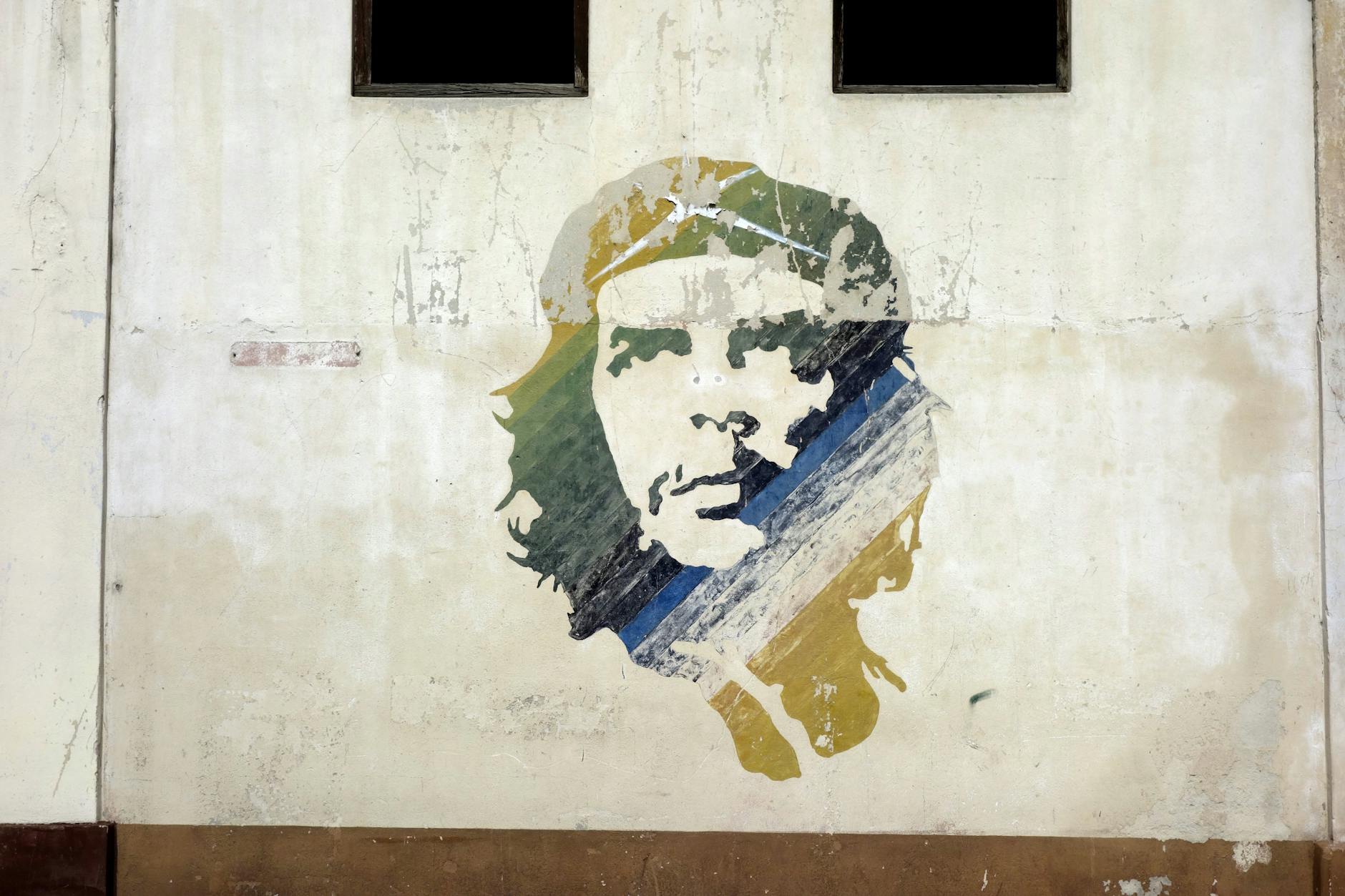
Among the posters that have left a lasting impact, figures like Che Guevara and Barack Obama stand out. Che’s image became a symbol of revolution and resistance, while Obama’s campaign poster, designed by Shepard Fairey, encapsulated hope and change. These visuals transcend their immediate context, resonating with audiences on a global scale.
Che Guevara’s iconic image, captured by photographer Alberto Korda, has been reproduced in countless forms, from graffiti to t-shirts, becoming a universal emblem of rebellion. The simplicity of the design, combined with its profound message, has inspired generations of activists and artists alike. In contrast, Obama’s “Hope” poster, with its bold colors and stylized portrait, became a rallying cry during the 2008 presidential campaign, symbolizing a new era of political engagement and optimism.
The upcoming festival, DAFES Typography, running from March 24 to April 12 at the Museum of Moscow, will explore these themes further. It promises to showcase the evolution of poster design and its role in shaping public perception. For more insights, check out our post on the impact of design in culture.
The Role of Posters in Social Movements
Posters have played a crucial role in various social movements throughout history. For instance, during the Civil Rights Movement in the United States, posters were used to promote events, raise awareness, and unify supporters. The famous “I AM A MAN” poster from the 1968 Memphis Sanitation Workers’ Strike became a powerful symbol of dignity and equality.
Similarly, the feminist movement has utilized posters to challenge societal norms and advocate for women’s rights. The “We Can Do It!” poster featuring Rosie the Riveter became an enduring symbol of female empowerment during World War II, encouraging women to join the workforce and assert their independence.
Quick Takeaways 📌
- Posters have evolved from simple advertisements to powerful cultural symbols.
- The lithographic process revolutionized how posters were created and distributed.
- Iconic figures like Che Guevara and Barack Obama have become synonymous with their respective movements through poster art.
- Posters have historically played a significant role in social movements, amplifying messages of change and resistance.
- The DAFES Typography festival will highlight the intersection of art, design, and social impact.
FAQ ❔
What is the significance of Che Guevara’s poster?
Che Guevara’s poster, often recognized for its striking imagery, symbolizes revolutionary spirit and has inspired countless movements for social change worldwide. Its widespread reproduction has made it a cultural icon, representing the fight against oppression and the quest for justice.
How did lithography change the poster industry?
Lithography allowed for multicolor printing and mass production, making it easier and more cost-effective to create posters, thus expanding their reach and influence. This technological advancement enabled artists to experiment with bold designs and vibrant colors, transforming posters into a respected art form.
What can we expect at the DAFES Typography festival?
The DAFES Typography festival will feature exhibitions, discussions, and workshops focused on the history and evolution of poster art, highlighting its cultural significance and impact on society. Attendees can expect to engage with contemporary designers, view historical collections, and participate in hands-on activities that explore the art of poster making.
How have posters influenced modern advertising?
Posters have laid the foundation for modern advertising techniques, utilizing visual storytelling and emotional appeal to connect with audiences. Today, digital posters and social media campaigns continue to draw inspiration from traditional poster art, demonstrating its lasting influence on marketing and communication strategies.
Can posters still be effective in the digital age?
Absolutely! While digital media has transformed how we consume information, posters remain a powerful tool for communication. Their ability to convey messages quickly and visually makes them relevant in both physical and digital spaces, from street art to online campaigns.