
Rare Planetary Parade Set for January 22: What to Expect
Mark your calendars for January 22, when a unique planetary parade will grace our skies. Here's everything you need to know! Discover why it matters for Gen-Z r
- BackZee
- 5 min read
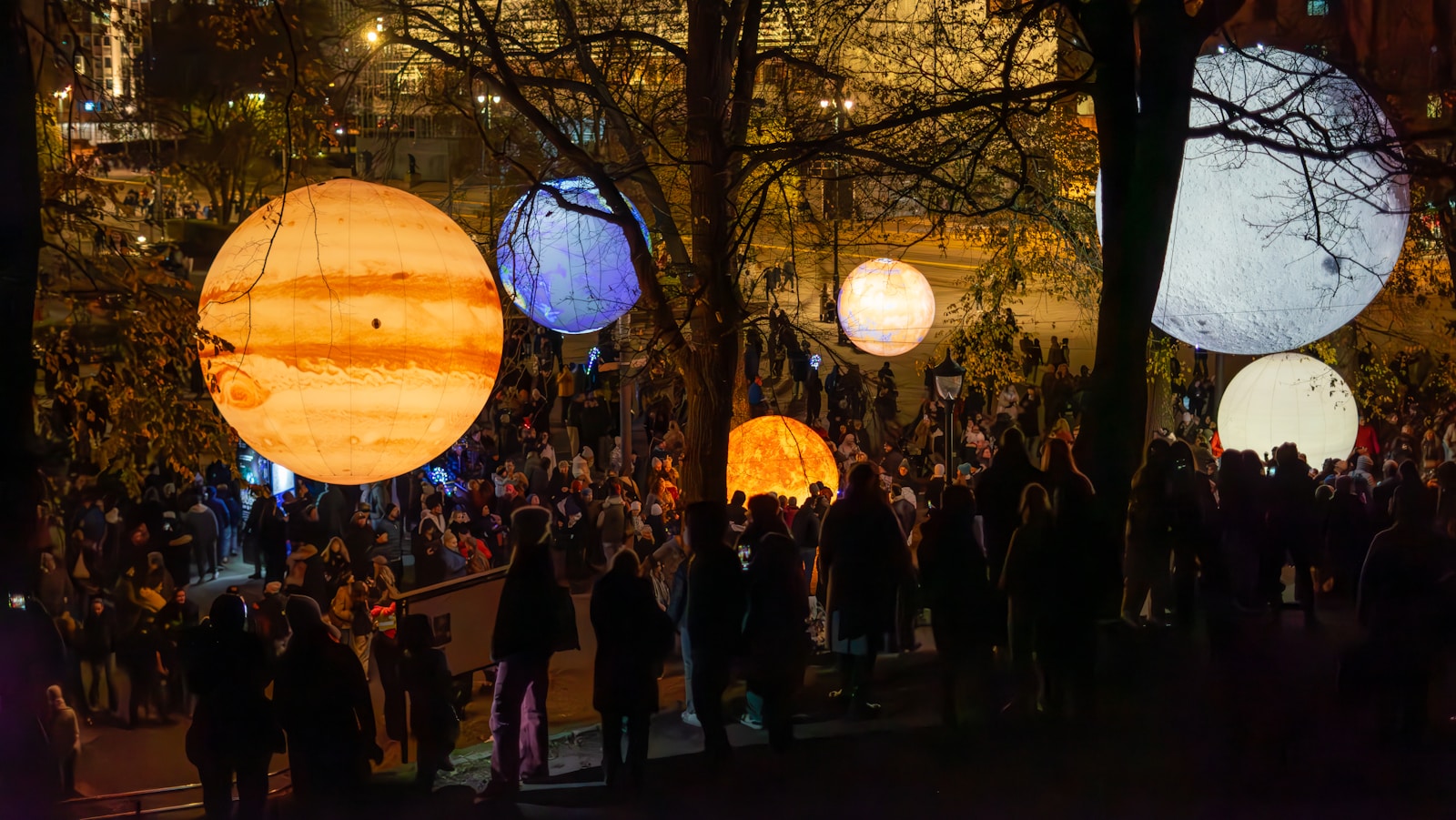
TL;DR 🚀
Make sure to check our deep dive on why this matters.
- A unique planetary parade will occur on January 22.
- Several planets will align in a stunning display.
- This event offers a rare opportunity for stargazers and astronomy enthusiasts.
- Viewing conditions will be best shortly after sunset.
- This celestial event has historical and cultural significance.
Get ready for a cosmic show! On January 22, a remarkable planetary parade will unfold, captivating skywatchers around the globe. This event promises a stunning alignment of several planets, making it a must-see for anyone interested in astronomy.
What is a Planetary Parade? 🌌
A planetary parade occurs when multiple planets align in the night sky, creating a breathtaking visual spectacle. This phenomenon is relatively rare, with significant alignments happening only a few times a decade. The upcoming event on January 22 is particularly special, as it will feature Mercury, Venus, Mars, Jupiter, and Saturn all visible in a line across the sky.
The alignment will be best viewed just after sunset, providing an excellent opportunity for both amateur and seasoned astronomers. Binoculars or telescopes can enhance the experience, but even the naked eye will capture the beauty of this celestial event.
Key Planets to Watch
- Mercury: Often elusive due to its proximity to the Sun, this planet will be one of the first to appear in the twilight sky. It’s fascinating to note that Mercury has a very thin atmosphere and experiences extreme temperature fluctuations.
- Venus: Known as the “Evening Star,” it will shine brightly, often outshining all other celestial bodies. Venus has a thick, toxic atmosphere that traps heat, making it the hottest planet in our solar system.
- Mars: The red planet will add a unique hue to the lineup. Mars has been a focal point for exploration, with rovers like Perseverance currently studying its surface for signs of past life.
- Jupiter: The largest planet in our solar system will be a highlight, boasting a strong magnetic field and dozens of moons, including the largest moon, Ganymede. Jupiter’s Great Red Spot is a massive storm larger than Earth that has been raging for centuries.
- Saturn: Famous for its stunning rings, Saturn will complete the parade. The rings are made up of ice and rock particles, and studying them helps scientists understand the formation of planetary systems.
Why This Event Matters 🌠
The January 22 planetary parade is not just a visual treat; it also serves as a reminder of our place in the universe. Events like this can inspire curiosity and interest in astronomy and science. For those looking to deepen their understanding, this is a perfect opportunity to explore the characteristics of each planet involved.
Historically, the alignment of planets has held significant cultural importance. Ancient civilizations, such as the Babylonians and Mayans, meticulously tracked celestial events, believing they could influence earthly affairs. This planetary parade can reignite that sense of wonder, encouraging people to look up and appreciate the cosmos.
Moreover, studies show that stargazing can have positive effects on mental health, providing a sense of peace and perspective. Engaging with the night sky can foster a connection to nature and the universe, which is especially valuable in our increasingly urbanized lives.
Quick Takeaways 📌
- The planetary parade will feature five major planets: Mercury, Venus, Mars, Jupiter, and Saturn.
- Best viewing time is shortly after sunset, around 6 PM local time.
- This event is a great opportunity for educational outreach, especially for schools and community groups.
- The alignment serves as a reminder of humanity’s historical relationship with the stars.
- Stargazing can promote mental well-being and a sense of connection to the universe.
FAQ ❔
When is the best time to view the planetary parade?
The ideal time to catch the parade is just after sunset on January 22. Make sure to find a location with minimal light pollution for the best experience. The planets will be visible low on the horizon, so a clear view of the west is essential.
Do I need special equipment to see the planets?
While you can see the planets with the naked eye, using binoculars or a telescope can enhance your viewing experience. These tools will provide a closer look at the planets’ features, especially for Jupiter and Saturn, where you may even see some of their moons.
Will this event be visible worldwide?
Yes! The planetary parade will be visible from most locations around the world, though the best views will depend on local weather conditions and light pollution levels. In urban areas, consider traveling to a nearby park or rural location for a clearer view.
How often do planetary parades occur?
Planetary parades are relatively rare, with significant alignments occurring only a few times every decade. The last notable parade was in June 2022, and the next one after January 22 will not occur until later in the decade.
Can I photograph the planetary parade?
Absolutely! If you’re interested in astrophotography, this event presents a fantastic opportunity. Use a tripod and a camera with manual settings to capture the planets. Long exposure times can help bring out details, especially if you use a telephoto lens.
As January 22 approaches, mark your calendars and prepare for a celestial event that promises to be both beautiful and educational. Whether you’re an astronomy enthusiast or just looking for a reason to gaze at the stars, this planetary parade is not to be missed!