
November Brings Stunning Leonid Meteor Shower to Russia
In November, Russians can witness the spectacular Leonid meteor shower peaking on the night of November 17-18. Don't miss this celestial event!
- BackZee
- 4 min read
TL;DR 🚀
Make sure to check our deep dive on why this matters.
- The Leonid meteor shower peaks on November 17-18.
- Expect an impressive display of shooting stars, potentially reaching up to 15-20 meteors per hour.
- Moscow Planetarium provides insights on this celestial event and hosts viewing parties.
- Ideal viewing conditions include clear skies and minimal light pollution.
- The Leonids are a unique meteor shower with a rich history tied to Comet Tempel-Tuttle.
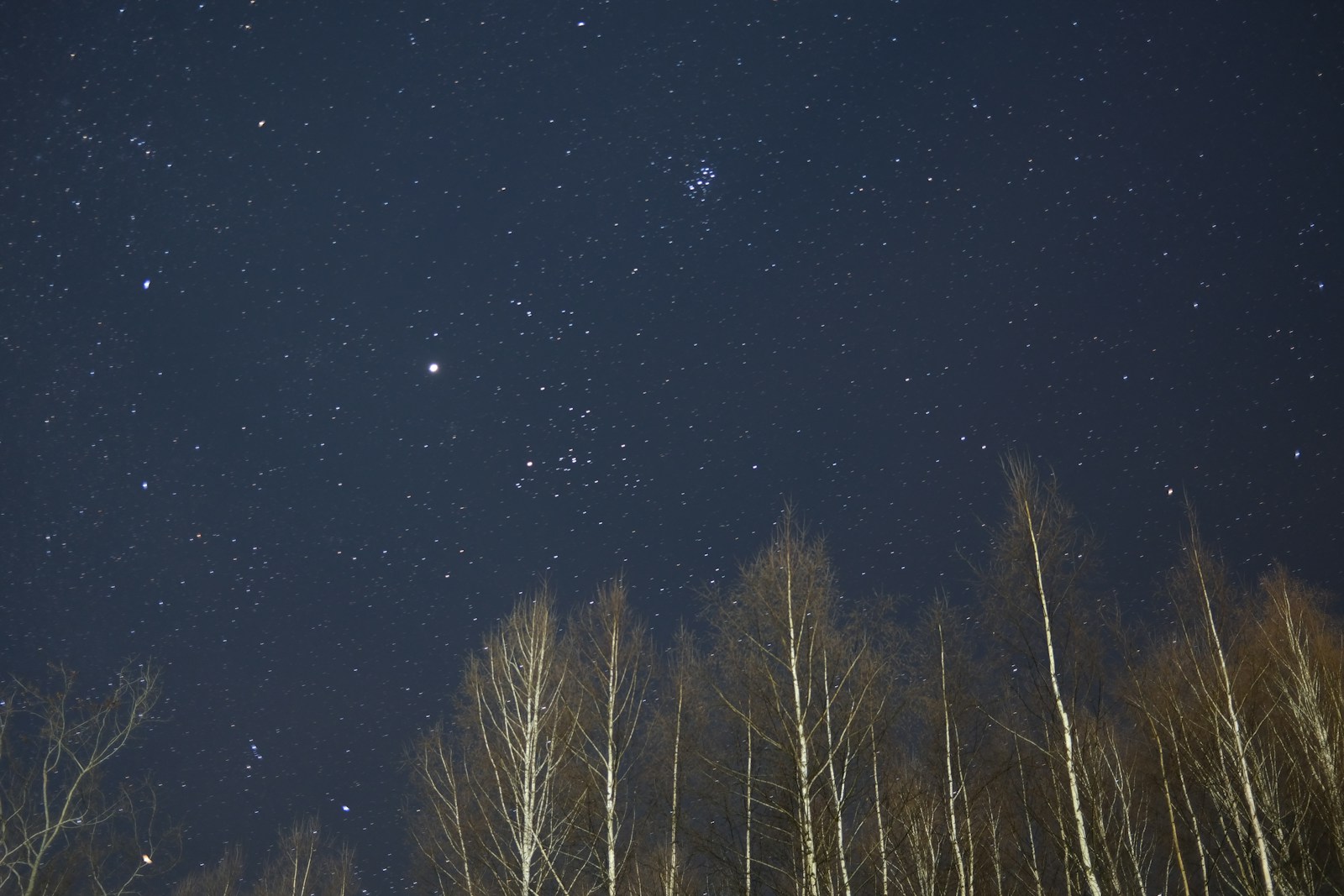
This November, skywatchers in Russia are in for a treat as the Leonid meteor shower is set to dazzle observers. The peak of this spectacular event will occur during the night of November 17-18, offering a perfect opportunity for stargazers to enjoy a breathtaking display of shooting stars.
What to Expect from the Leonids 🌠
The Leonids are renowned for their intense meteor showers, often producing a high number of meteors per hour. This year, the shower is expected to reach its maximum intensity, providing a thrilling experience for those who venture outside to gaze at the night sky.
During the peak, observers can anticipate a flurry of meteors streaking across the heavens. The best time to catch this celestial show is typically after midnight, when the sky is darkest and the meteors are most visible. Find a location away from city lights to enhance your viewing experience.
In recent years, the Leonids have been known to produce around 15 to 20 meteors per hour during their peak, but some years have seen incredible bursts of activity, with rates soaring into the hundreds. The unpredictability of the Leonids adds to the excitement, making each viewing a unique experience.
Tips for Meteor Watching
- Check the weather: Clear skies are essential for optimal viewing. Use weather apps or websites to monitor conditions leading up to the event.
- Bring a blanket or chair: Comfort is key for long stargazing sessions. Consider bringing snacks and drinks to make it a cozy night.
- Be patient: The meteors can come in bursts, so give yourself time to enjoy the show. Allow at least an hour for your eyes to adjust to the darkness.
The Science Behind the Leonids 🔭
The Leonids originate from the debris left by Comet Tempel-Tuttle, which orbits the sun approximately every 33 years. As Earth passes through this trail of comet dust, particles enter our atmosphere and burn up, creating the stunning light displays we see as meteors.
This year’s shower is particularly exciting because the Leonids are known for their unpredictability. Some years can yield a mere handful of meteors, while others can produce spectacular storms with hundreds of meteors per hour. The last major outburst occurred in 2001, when observers reported rates exceeding 500 meteors per hour in some locations.
The Leonids have a rich history, with records of their activity dating back to the 1830s. They are part of a larger family of meteor showers that occur throughout the year, but their connection to a periodic comet gives them a unique character.
Cultural Insights
In many cultures, meteor showers have been seen as omens or messages from the heavens. In Russia, the Leonids have been celebrated in folklore, often associated with wishes and dreams. The sight of shooting stars has inspired poets and artists alike, symbolizing fleeting beauty and the vastness of the universe.
Quick Takeaways 📌
- The Leonid meteor shower is caused by debris from Comet Tempel-Tuttle.
- Observers should look for meteors after midnight for the best view.
- Conditions like weather and light pollution can affect visibility.
- The Leonids have a historical significance and have inspired cultural narratives.
- Expect around 15-20 meteors per hour, with the potential for bursts of activity.
FAQ ❔
When is the best time to see the Leonid meteor shower?
The optimal viewing time is after midnight on the nights of November 17-18, when the sky is darkest.
How can I enhance my meteor shower viewing experience?
To improve your experience, find a dark location away from city lights, bring comfortable seating, and allow your eyes to adjust to the darkness. Additionally, consider using a stargazing app to identify constellations and enhance your overall experience.
Are there any other meteor showers to look forward to this year?
Yes! In addition to the Leonids, you can also look forward to the Geminids in December, which are another spectacular meteor shower worth watching. The Geminids are known for their bright and colorful meteors, often producing up to 120 meteors per hour.
What should I do if the weather is cloudy?
If the weather is not cooperating, consider checking local astronomy clubs or observatories. Many organizations host indoor events or provide live streams of meteor showers, allowing you to enjoy the experience from the comfort of your home.
As the Leonid meteor shower approaches, prepare to be mesmerized by the beauty of the night sky. Whether you’re an avid astronomer or just someone looking for a magical experience, this celestial event is not to be missed. So grab your friends, head outside, and enjoy the wonders of the universe!