
Perfect Conditions for Orionid Meteor Shower Watching
Discover the ideal conditions for observing the Orionid meteor shower this season. Don't miss out on this celestial spectacle! Discover why it matters for Gen-Z
- BackZee
- 4 min read
TL;DR 🚀
Make sure to check our deep dive on why this matters.
- The Orionid meteor shower peaks in late October.
- Ideal viewing conditions include clear skies and minimal light pollution.
- This year offers a unique opportunity for stargazers.
- The meteors are remnants of Halley’s Comet, traveling at speeds up to 148,000 mph.
- Expect to see around 20 meteors per hour during peak viewing times.
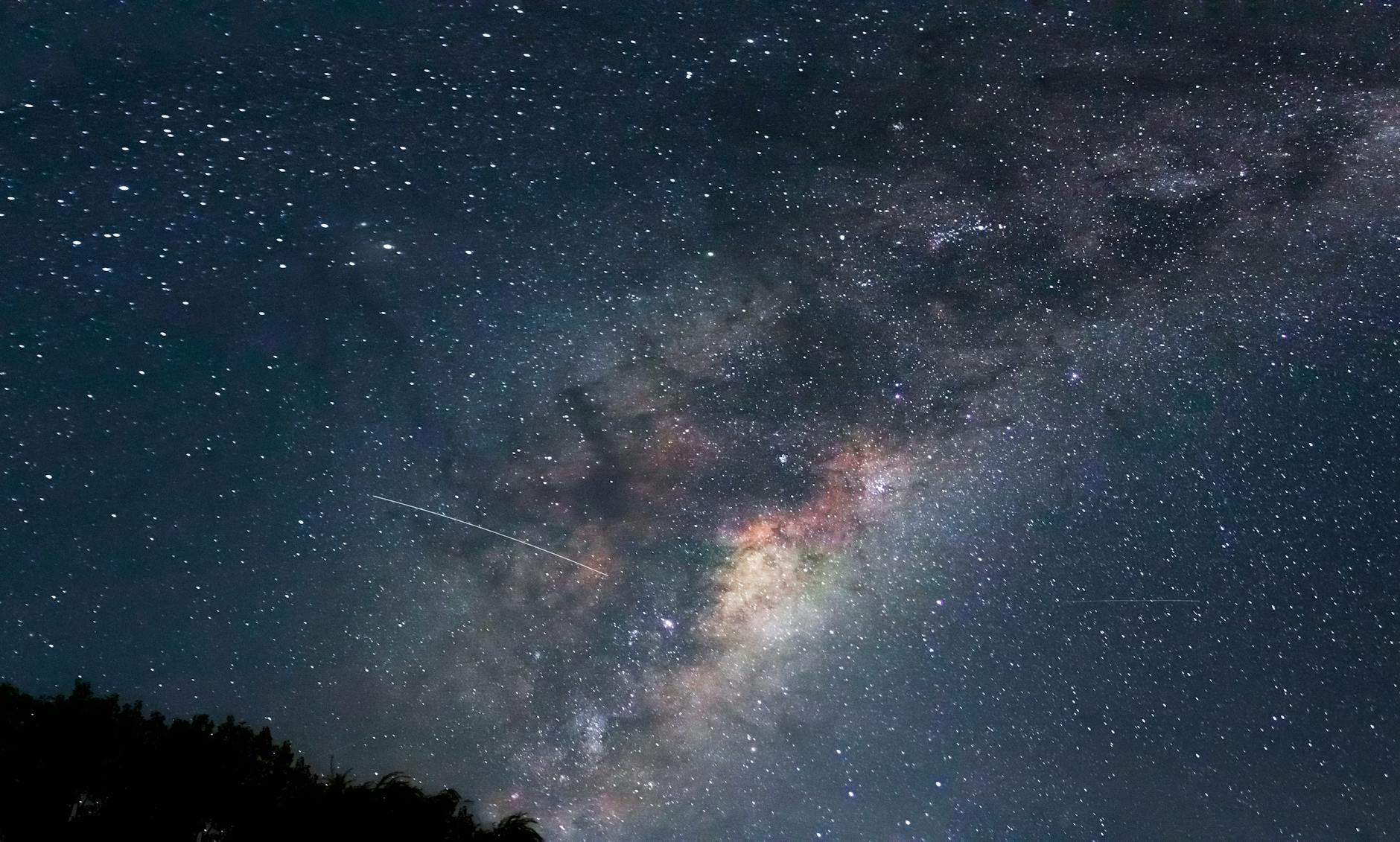
The Orionid meteor shower is one of the most anticipated celestial events of the year, and this October, conditions are shaping up to be exceptionally favorable for viewing. With the peak occurring in late October, enthusiasts are gearing up to witness this stunning display of shooting stars. The Orionids are not just a visual spectacle; they also carry a rich history and scientific significance that adds to their allure.
Why the Orionids Shine ✨
The Orionids are known for their bright meteors and high speed, originating from the debris left by Halley’s Comet. This year, the meteor shower is expected to produce 20 meteors per hour at its peak, making it a must-see for both amateur and seasoned astronomers.
The Orionids are unique in that they are among the fastest meteors, traveling at speeds of up to 148,000 miles per hour (approximately 238,000 kilometers per hour). This high velocity contributes to their bright, fiery appearance as they streak across the night sky. The meteors are named after the constellation Orion, from which they appear to emanate.
To maximize your viewing experience, it’s crucial to find a location with minimal light interference. Urban areas can hinder visibility, so consider heading to a nearby park or rural area. The best time to observe the shower is typically after midnight, when the sky is darkest.
Tips for Optimal Viewing 🌌
To fully enjoy the Orionid meteor shower, keep these tips in mind:
- Check the weather: Clear skies are essential for a good view. Use weather apps or websites to monitor conditions leading up to the event.
- Find a dark spot: The less light pollution, the better your chances of seeing meteors. National parks or designated dark sky areas are ideal.
- Bring a blanket or chair: Comfort is key for those long hours of stargazing. Consider packing snacks and drinks to enhance your experience.
- Be patient: It may take time to spot meteors, so relax and enjoy the night sky. Bring along a friend or family member to share the experience.
For more insights on stargazing techniques, check out our post on /posts/stargazing-tips/.
Cultural Insights and Historical Context
The Orionid meteor shower has been observed for centuries, with records dating back to the 1830s. Ancient cultures often attributed meteor showers to the actions of gods or celestial beings. For example, in Chinese astronomy, meteors were seen as omens, while in ancient Greece, they were considered messages from the divine.
In modern times, the Orionids have become a symbol of the changing seasons, marking the transition from autumn to winter in the Northern Hemisphere. Many cultures celebrate this time with festivals and gatherings, often incorporating stargazing into their traditions.
Quick Takeaways 📌
- The Orionid meteor shower peaks around October 21-22.
- Look for meteors after midnight for the best visibility.
- Ideal conditions include clear skies and away from city lights.
- The meteors are remnants of Halley’s Comet, traveling at speeds up to 148,000 mph.
- Expect to see around 20 meteors per hour during peak viewing times.
FAQ ❔
When is the best time to watch the Orionid meteor shower?
The best time to observe the Orionids is typically after midnight until dawn, as this is when the sky is darkest and the meteors are most visible.
How can I prepare for meteor shower viewing?
To prepare, check the weather forecast for clear skies, find a dark location away from city lights, and bring comfortable seating to enjoy the experience. Additionally, consider downloading stargazing apps to help identify constellations and track meteor activity.
What causes the Orionid meteor shower?
The Orionids are caused by Earth passing through the debris trail left by Halley’s Comet, which creates the bright streaks of light we see as meteors when they enter our atmosphere. This debris consists of tiny particles, typically no larger than a grain of sand, which burn up upon entering the Earth’s atmosphere.
Are there any other meteor showers to look forward to?
Yes! Following the Orionids, stargazers can look forward to the Leonids in November and the Geminids in December, both of which offer spectacular displays. Each meteor shower has its unique characteristics and peak viewing times.
This October, don’t miss out on the chance to witness the Orionid meteor shower. With the right conditions and a little preparation, you can enjoy one of nature’s most beautiful displays. So grab your friends, find a dark spot, and get ready to be amazed by the wonders of the night sky!