
Japan Cancels Cherry Blossom Festival at Mount Fuji Due to Tourist...
Japan's Mount Fuji cherry blossom festival is canceled due to tourist misconduct, raising concerns about visitor behavior and cultural respect.
- BackZee
- 5 min read
TL;DR 🚀
Make sure to check our deep dive on why this matters.
- Japan’s cherry blossom festival at Mount Fuji is officially canceled.
- The decision stems from inappropriate behavior by tourists.
- Authorities are concerned about cultural respect and safety.
- Future festivals may implement stricter regulations to ensure respectful behavior.
- The cherry blossoms symbolize renewal and beauty in Japanese culture.
In a surprising turn of events, Japan has decided to cancel the much-anticipated cherry blossom festival at Mount Fuji. This decision comes in response to rising concerns over inappropriate behavior exhibited by some tourists, prompting authorities to take action to preserve the integrity of this beloved cultural event. The cherry blossom season, which typically attracts millions of visitors, is not just a visual spectacle; it is a deeply rooted tradition that reflects the values and aesthetics of Japanese culture.
A Blossoming Tradition 🌸
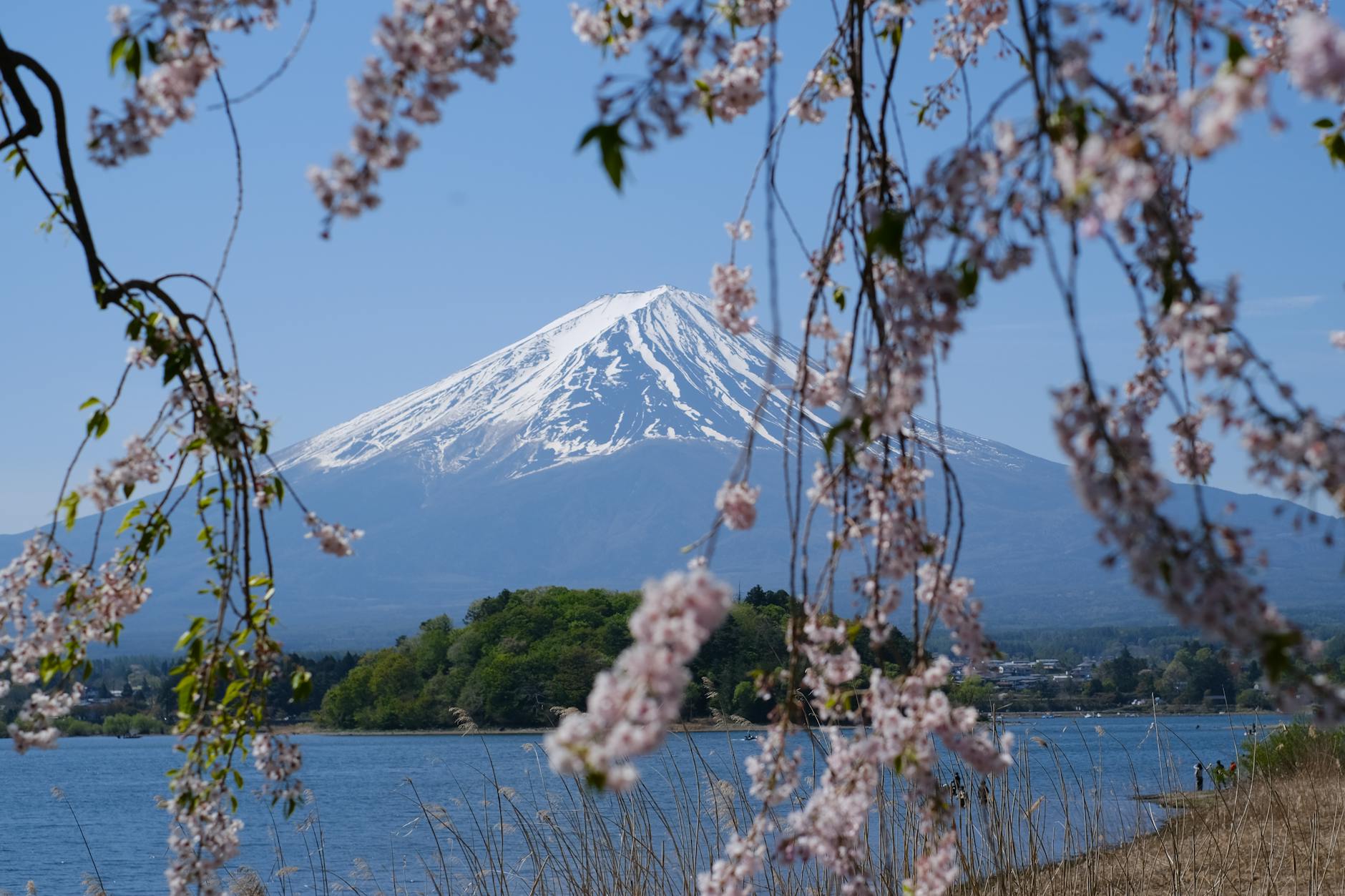
The cherry blossom festival, known as Hanami, is a cherished tradition in Japan, attracting thousands of visitors each year. The sight of cherry trees in full bloom against the backdrop of Mount Fuji is nothing short of breathtaking. However, this year, officials have expressed serious concerns over the conduct of some attendees, which has led to the cancellation of the festival.
Reports indicate that instances of disrespectful behavior have increased, including littering, loud parties, and even vandalism. Such actions not only tarnish the experience for others but also disrespect the cultural significance of the blossoms. The festival is a time for reflection and appreciation of nature, and it’s crucial that all visitors honor this tradition. In 2023 alone, it was estimated that over 1.5 million people visited the area during the cherry blossom season, highlighting the festival’s popularity and the immense responsibility that comes with it.
The Cultural Significance of Hanami
Hanami, which translates to “flower viewing,” is more than just a celebration of the cherry blossoms; it embodies the Japanese philosophy of appreciating the transient beauty of life. The fleeting nature of the blossoms, which bloom for only a short period each spring, serves as a poignant reminder of the impermanence of life itself. This cultural perspective is deeply embedded in various aspects of Japanese art, literature, and philosophy, making the cherry blossom festival a vital event for both locals and tourists alike.
Cultural Impact and Safety Concerns 🚷
The cancellation of the festival raises important questions about tourist behavior and its impact on cultural events. Authorities are emphasizing the need for visitors to be more mindful of their actions. The cherry blossoms symbolize renewal and beauty in Japanese culture, and it’s essential for tourists to engage with this tradition respectfully.
In light of these events, local officials are considering implementing stricter regulations for future festivals. This could include increased security measures and guidelines to ensure that all attendees understand the cultural significance of the event. For instance, educational campaigns may be introduced to inform tourists about proper etiquette during Hanami, such as not climbing trees to take photos or leaving trash behind.
The Economic Impact
The cherry blossom festival is not only a cultural highlight but also a significant economic driver for the region. In 2022, it was reported that the festival generated approximately $200 million in revenue for local businesses, including hotels, restaurants, and souvenir shops. The cancellation of the festival could lead to substantial financial losses for these establishments, further emphasizing the need for responsible tourism practices.
Quick Takeaways 📌
- The cherry blossom festival at Mount Fuji is canceled for 2026.
- Authorities are addressing tourist misconduct to protect cultural integrity.
- Future festivals may see stricter regulations to ensure respectful behavior.
- Hanami is a celebration of the transient beauty of life, deeply rooted in Japanese culture.
- The festival significantly contributes to the local economy, generating millions in revenue.
FAQ ❔
Why was the cherry blossom festival canceled?
The festival was canceled due to inappropriate behavior by tourists, including littering and vandalism, which disrespected the cultural significance of the event.
What is the significance of cherry blossoms in Japan?
Cherry blossoms symbolize renewal and beauty in Japanese culture. They are celebrated during the Hanami season, where people gather to appreciate their fleeting beauty. This tradition reflects the Japanese appreciation for nature and the transient nature of life.
Will the festival return in the future?
While the festival is canceled for this year, local authorities are hopeful that with improved visitor behavior and potential new regulations, the festival can return in the future. Educational initiatives may also help foster a deeper understanding of the cultural importance of Hanami among tourists.
What measures are being considered to prevent future misconduct?
Local officials are considering implementing stricter regulations, including increased security, educational campaigns about proper etiquette, and potential fines for disrespectful behavior. These measures aim to ensure that future festivals can be enjoyed by all while preserving the cultural significance of the event.
The cherry blossom festival at Mount Fuji is more than just a visual spectacle; it’s a celebration of nature and culture. As Japan navigates the challenges posed by tourism, it’s essential for visitors to embrace and respect the traditions that make these events special. Let’s hope that future festivals can thrive with the support of mindful and respectful attendees, ensuring that the beauty of the cherry blossoms continues to be celebrated for generations to come.