
Hotel Demand in Japan Soars 77% Amid Cherry Blossom Season
Japan experiences a 77% surge in hotel bookings as cherry blossoms bloom, highlighting the season's allure for travelers. Discover why it matters and what happe
- BackZee
- 5 min read
TL;DR 🚀
Make sure to check our deep dive on why this matters.
- Hotel bookings in Japan have surged by 77%.
- The cherry blossom season is a significant draw for tourists.
- Travelers are eager to experience Japan’s iconic springtime beauty.
- Seasonal events like hanami enhance cultural engagement.
- Social media influences travel trends and booking behaviors.
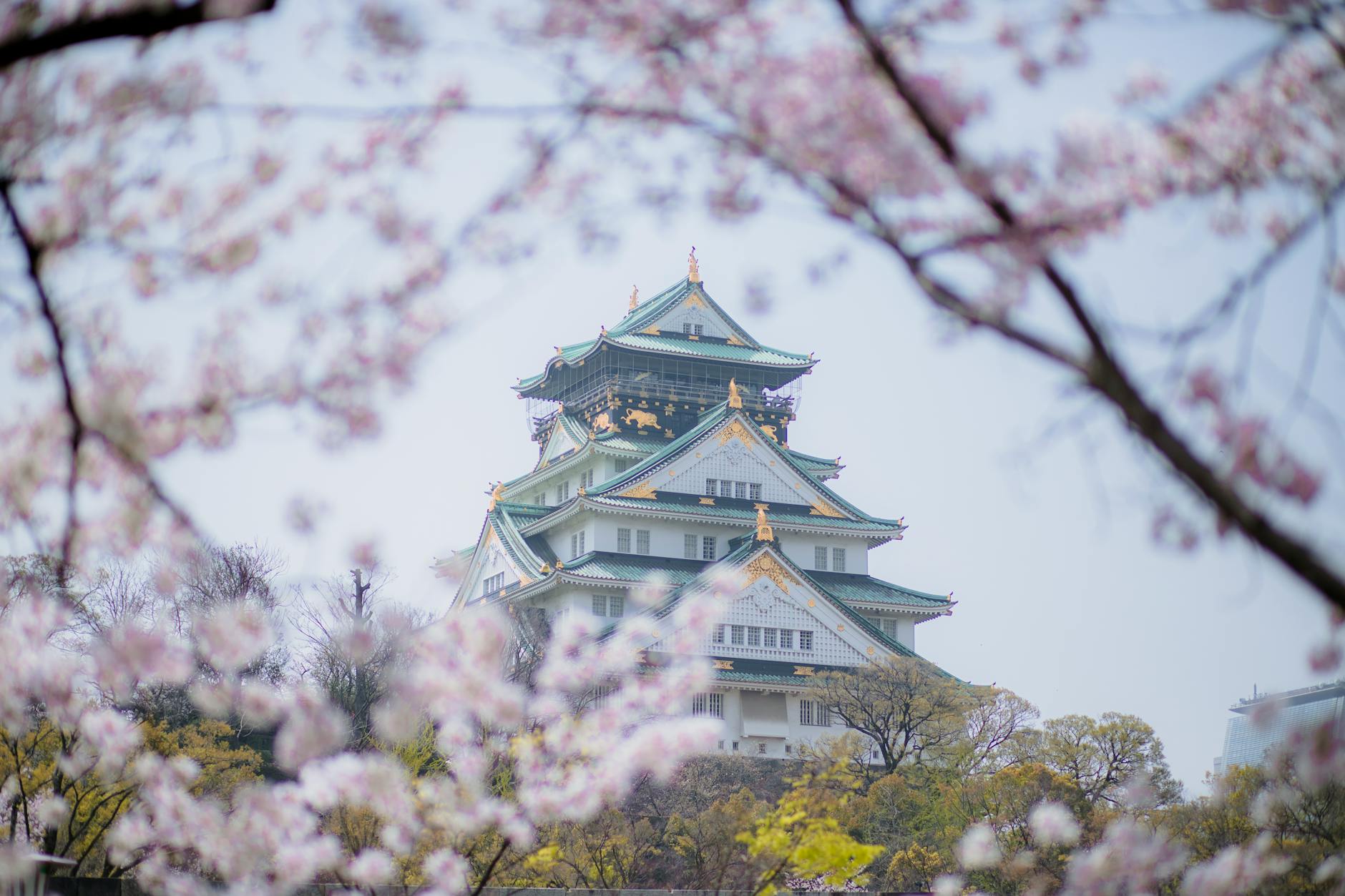
Japan is witnessing an impressive 77% increase in hotel bookings as the cherry blossom season unfolds. This annual phenomenon attracts countless visitors eager to witness the stunning landscapes adorned with pink blooms, making it a peak time for tourism in the country. The cherry blossom, or sakura, is not merely a floral spectacle; it embodies a deep cultural significance that resonates with both locals and tourists alike.
Cherry Blossom Magic 🌸
The cherry blossom, or sakura, is more than just a flower in Japan; it’s a cultural symbol that signifies the arrival of spring. As the blossoms begin to bloom, cities like Tokyo and Kyoto transform into breathtaking vistas, drawing both local and international tourists.
This year, the surge in hotel demand reflects a growing trend among travelers who prioritize experiencing seasonal events. Sakura viewing, known as hanami, is a cherished tradition where people gather under blooming trees for picnics and celebrations. According to the Japan National Tourism Organization, approximately 8 million international visitors flock to Japan during the cherry blossom season, contributing significantly to local economies.
With the blossoms peaking in late March to early April, many are eager to secure their spots in hotels to fully immerse themselves in this vibrant atmosphere. The increase in bookings is not just about the flowers; it’s also a testament to Japan’s recovery from the pandemic. As travel restrictions ease, tourists are returning in droves, eager to explore the rich culture, cuisine, and history that Japan has to offer.
Cultural Significance of Hanami
Hanami is more than just a visual feast; it is a deeply rooted cultural practice that dates back over a thousand years. Families and friends gather under the cherry trees, sharing food, drinks, and laughter, creating a sense of community and connection. This year, many parks and gardens are hosting special events, including live music performances and food stalls, enhancing the hanami experience.
Travel Trends and Insights 📈
This spike in hotel reservations is indicative of broader travel trends that favor experiential tourism. According to recent data from the World Tourism Organization, travelers are increasingly seeking destinations that offer unique seasonal experiences. Japan’s cherry blossom season fits this bill perfectly, combining natural beauty with cultural significance.
Travel agencies and hotels are responding to this demand by offering special packages that include guided tours to the best sakura spots, traditional Japanese meals, and even cultural workshops. For instance, visitors can partake in tea ceremonies or learn about the art of flower arranging, enhancing their overall experience.
In 2023, a survey revealed that 65% of travelers prioritize experiences over material possessions, indicating a shift in how people view travel. This trend is particularly evident during the cherry blossom season, where the opportunity to engage in local customs is a significant draw.
Moreover, social media plays a crucial role in promoting these seasonal events. Platforms like Instagram and TikTok are flooded with stunning visuals of cherry blossoms, encouraging more people to visit Japan during this magical time. A study found that 70% of millennials are influenced by social media when choosing travel destinations, making it a powerful tool for tourism marketing. As a result, hotels are not only filling up quickly but are also raising their prices due to the high demand.
Quick Takeaways 📌
- The cherry blossom season is a major tourist attraction in Japan.
- Hotels are offering special packages to cater to the influx of visitors.
- Social media significantly influences travel decisions and trends.
- Hanami fosters community and cultural engagement.
- Experiential tourism is on the rise, with travelers seeking unique local experiences.
FAQ ❔
Why is cherry blossom season so popular in Japan?
Cherry blossom season is popular due to its stunning beauty and cultural significance. The tradition of hanami, or flower viewing, brings people together to celebrate the arrival of spring, making it a unique experience for both locals and tourists. The fleeting nature of the blossoms, which last only a couple of weeks, adds to their allure, creating a sense of urgency to witness this natural spectacle.
How does the increase in hotel bookings affect prices?
With the surge in demand for accommodations during cherry blossom season, hotels often raise their prices. Travelers are encouraged to book early to secure the best rates and availability. In some cases, prices can increase by as much as 30% compared to off-peak seasons. This trend underscores the importance of planning ahead for those wishing to experience the beauty of sakura.
What other attractions should visitors explore during this season?
In addition to cherry blossoms, visitors can explore historic temples, participate in local festivals, and enjoy seasonal delicacies like sakura-flavored treats. Popular destinations include Ueno Park in Tokyo, Maruyama Park in Kyoto, and the Hirosaki Castle in Aomori, which is famous for its cherry blossom festival. Japan offers a rich tapestry of experiences that complement the beauty of the blossoms.
How can travelers best prepare for the cherry blossom season?
Travelers should consider booking accommodations well in advance, as hotels fill up quickly. It’s also advisable to check the cherry blossom forecast to plan visits during peak bloom. Additionally, packing layers is essential, as spring weather can be unpredictable, with chilly mornings and warmer afternoons. Engaging with local tourism boards can provide insights into events and activities happening during the season.
As Japan embraces the influx of tourists during this enchanting season, the cherry blossoms continue to symbolize hope, renewal, and the beauty of nature. Whether you’re planning a trip or simply dreaming of the sights, this time of year showcases the best of what Japan has to offer.