👀 Squid Game Season 3 Hidden Details & Easter Eggs Explained
Think you caught all the Squid Game Season 3 secrets? Dive into the hidden symbols, Easter eggs, and plot twists that took this season deeper than ever.

- BackZee
- 4 min read
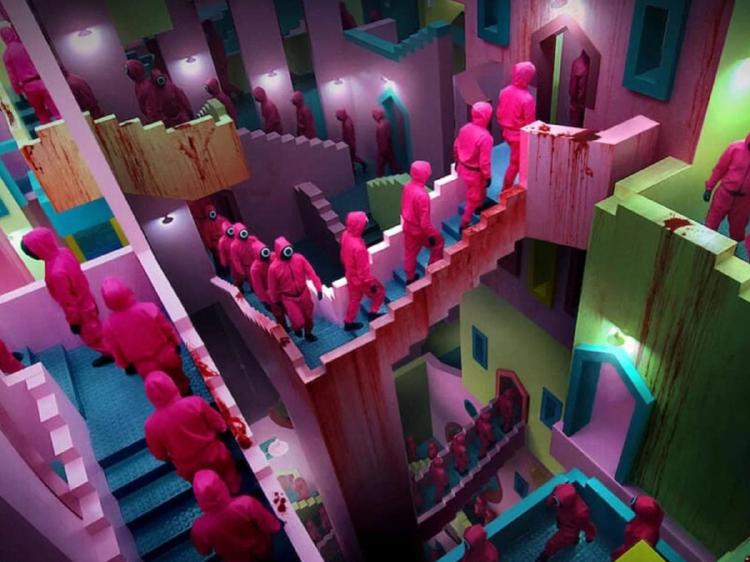
Squid Game Season 3 just dropped, and it’s packed with subtle Easter eggs, hidden clues, and mind-bending theories that hit way deeper than the surface-level survival drama.
If you thought you caught everything… think again.
This breakdown dives into the secret details, symbolic choices, and cultural references you probably missed.
⚡️ TL;DR (For the Binge-Watchers Who Skipped the Details)
• 🚢 The ship’s captain & Front Man were secretly working together — family ties, hidden agendas.
• ⚰️ Gi-hun’s coffin scene = his rebirth + sacrifice. He dies by choice, not defeat.
• 🥔 Plain potatoes = poverty symbolism. The games reflect real-world oppression.
• 🔑 “Key and Knife” game = rebellion vs. power struggle. Brutal metaphor.
• 🎨 Red & blue choices = Matrix vibes. Stay trapped or break free.
• 🌌 Van Gogh’s “Starry Night” in Episode 2 = unseen sacrifice, cosmic tragedy.
• 🤯 Thanos Easter eggs: infinity color schemes, “destroy half” quotes, & more.
• 🛑 The system collapses quietly, just like real-world corrupt empires often do.
🕵️♂️ Revealed Truths Behind Season 3
• The Suspicious Captain & Player 246
The ship’s captain is working with the Front Man to protect his brother from the game. This family-first loyalty adds a secret layer of tension.
• Gi-hun’s Coffin Scene
Gi-hun lying in a coffin isn’t about death — it’s about transcendence. He accepts his fate and becomes a symbol of hope, not just a victim of the game.
• Player Dorm Food Switch
Instead of decent meals, players now get plain potatoes. This shift highlights rebellion and scarcity — just like oppressed groups face in real life.
• The “Key and Knife” Game
The new final game has a key-shaped entrance and knife-shaped exit. The rebels and elites battle it out, symbolizing society’s power struggles.
🎨 Characters, Colors & Symbolism
- Number-swapping players (like 22 & 33, or the old woman and her son) all meet tragic ends — fate doesn’t play favorites.
- Red vs. blue choices echo The Matrix — freedom vs. complacency.
- Players wearing red who try to kill the child die, but the child survives — a reminder that innocence endures even in chaos.
🎭 Artistic & Psychological Easter Eggs
- Episode 2’s “Starry Night” theme mirrors Van Gogh’s tragic genius: unseen in life, legendary in death.
- Starry ceilings in the game arena = cosmic beauty above human cruelty.
- Doors to nowhere and endless staircases give off serious Escher vibes.
- Korean graffiti warns: “Beware of the people.”
🧠 Illusions, Addiction & Marvel References
- Player 125’s red pill moment? A nod to both The Matrix and addiction.
- Thanos vibes pop up in quotes about “destroying half the world” and color-coded symbolism.
- Min-soo’s hallucinations and the shaman’s betrayal deepen the psychological horror.
🔍 Visual Symbolism & Background Clues
- Red handprints near exits = failed escape attempts.
- Childlike handprints inside = lost innocence.
- Player 120’s rainbow room signals sacrifice and hope — light literally shines on him as he leaves.
- The knife that cut the baby’s umbilical cord reappears in the old woman’s death — life and death, full circle.
⚠️ Season 3’s Social Commentary Hits Hard
- VIPs stop playing and instead “clean up” — reflecting how elites protect systems without getting dirty.
- The newborn’s story mirrors how innocence is trapped by inherited struggles (see player 11’s North Korean escape).
- The Front Man’s coldness toward his dog mirrors Il-nam’s detached leadership.
- Gi-hun’s voter apathy shows society’s burnout with political systems.
- The VIPs’ table is literally supported by a human body. Brutal. Obvious. True.
- Final game “Heavenly Squid Game” is more about corporate power than survival — showing how capitalism itself is a game.
- Il-nam’s statue beside his clothes = unresolved father-son dynamics, legacy, and regret.
🙋 FAQ – Squid Game Season 3 Hidden Details
➤ Did fan theories come true?
Yes — especially the ones about the ship captain and secret alliances.
➤ What artistic & cultural references pop up?
Van Gogh’s Starry Night, Escher’s impossible staircases, The Matrix color choices, and Thanos-style power metaphors.
➤ Do the new games have deeper meaning?
Absolutely. They reflect rebellion, social injustice, and class struggles in history and today.
🎯 Final Thoughts: Squid Game Was Always More Than a Game
Season 3 wasn’t about survival alone.
It was about systems, sacrifices, and the cost of change.
It asked:
Are you playing the game… or breaking it?
Look again — every symbol, character choice, and game design has a purpose.
That’s why Squid Game didn’t just entertain us. It challenged us.