
Wikipedia Faces Traffic Decline Due to AI Summaries in Search
Wikipedia's traffic is dropping as AI-generated summaries dominate search results, raising concerns about the platform's future. Discover why it matters for Gen
- BackZee
- 4 min read
TL;DR 🚀
Make sure to check our deep dive on why this matters.
- Wikipedia’s traffic is declining significantly.
- AI-generated summaries are taking over search results.
- Concerns are rising about the platform’s sustainability.
- The community-driven model of Wikipedia faces challenges.
- Potential solutions include enhancing user engagement and optimizing content.
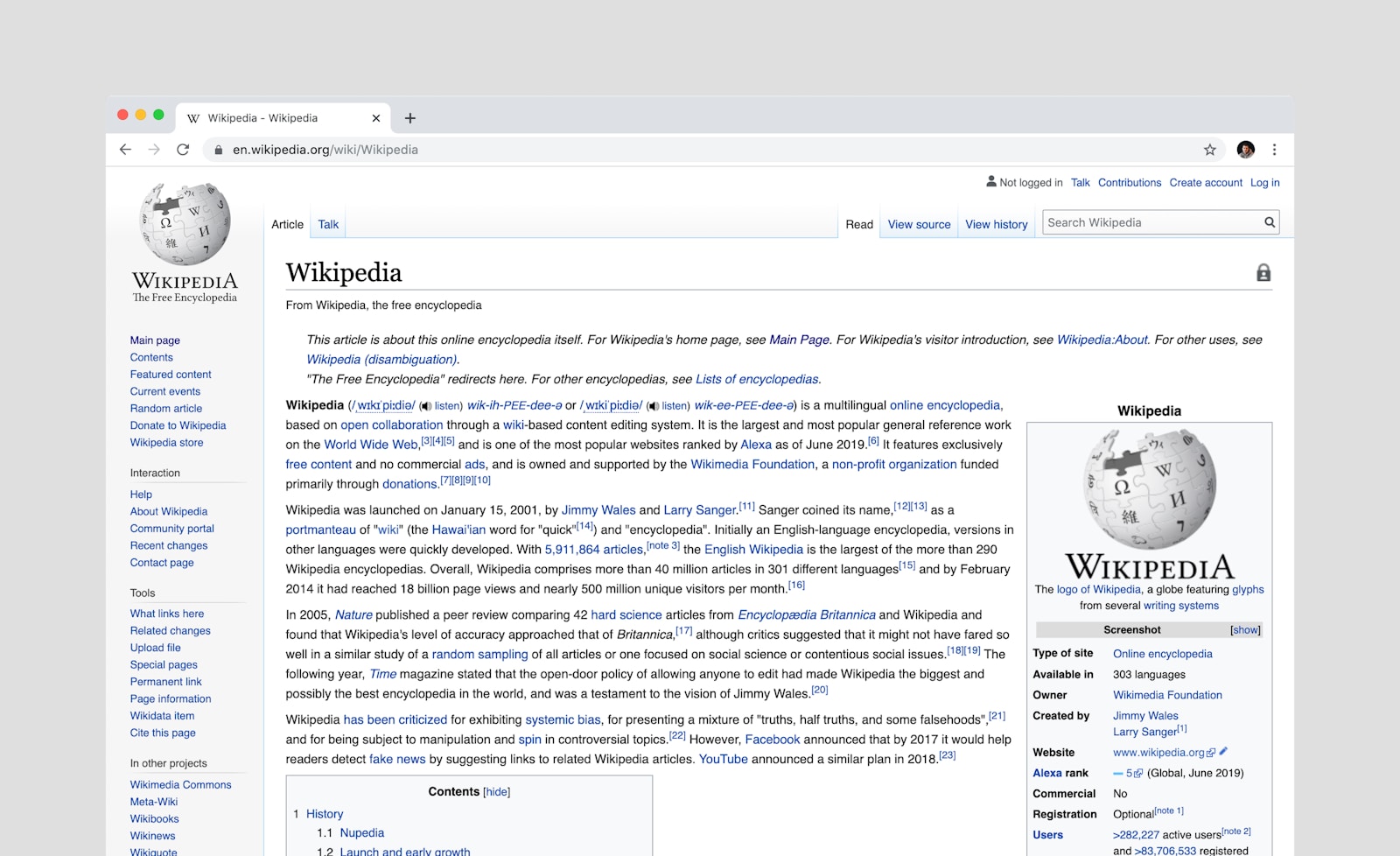
Wikipedia, the go-to source for countless users seeking information, is now facing a troubling decline in traffic. This drop is largely attributed to the rise of AI-generated summaries that are increasingly dominating search engine results, leaving the platform in a precarious position.
The Rise of AI Summaries 🤖
The emergence of AI technology has transformed how users access information. Instead of clicking through to Wikipedia for detailed articles, many are now finding concise summaries directly in search results. According to recent studies, over 60% of users prefer quick answers provided by AI, which has led to a noticeable decrease in the number of visitors to Wikipedia, which has traditionally relied on its comprehensive articles to attract users.
Search engines like Google and Bing are optimizing user experience by providing quick answers, often generated by AI. These AI models, trained on vast datasets, can synthesize information and present it in a digestible format. As a result, users may find it more convenient to read a brief summary rather than delve into a full article. This trend raises questions about the future of platforms like Wikipedia, which thrive on user engagement and contributions.
- AI summaries provide instant information, often at the cost of depth and accuracy.
- Users prefer quick answers over detailed articles, leading to a shift in information consumption.
- Wikipedia’s reliance on traffic for funding is at risk, as donations are often tied to user engagement.
The Cultural Shift in Information Consumption
The shift towards AI-generated content reflects broader cultural changes in how we consume information. In a fast-paced digital world, attention spans are shrinking, and the demand for instant gratification is rising. A Pew Research Center study found that 47% of Americans believe that the internet has made it easier to find information, but they also express concerns about the reliability of that information. This paradox highlights the challenges faced by platforms like Wikipedia, which prioritize accuracy and depth.
Implications for Wikipedia 📉
The implications of this trend are significant. Wikipedia has always been a community-driven platform, relying on volunteers to create and edit content. With declining traffic, the platform may struggle to maintain its model of free access to knowledge.
Moreover, this situation could lead to a decrease in contributions from users who may feel that their efforts are less impactful if AI can summarize information more efficiently. The potential for reduced engagement could create a vicious cycle, where fewer contributions lead to less comprehensive articles, further driving users to AI-generated content.
In 2023, Wikipedia reported a 15% decline in unique visitors, a trend that has raised alarms within the organization. The platform’s financial model, which relies heavily on donations, could be jeopardized if this decline continues.
For more insights on the impact of AI on traditional platforms, check out our post on AI and Content Creation.
Quick Takeaways 📌
- Wikipedia’s traffic is down due to AI summaries.
- User engagement may decline as a result, leading to fewer contributions.
- The platform’s funding model could be jeopardized, impacting its sustainability.
- Cultural shifts in information consumption favor quick answers over in-depth knowledge.
- Wikipedia must adapt to maintain its relevance in the digital landscape.
FAQ ❔
What is causing Wikipedia’s traffic decline?
The decline is primarily due to the rise of AI-generated summaries that appear in search results, providing users with quick answers without needing to visit Wikipedia. This trend is exacerbated by changing user preferences for instant information.
How does this affect Wikipedia’s funding?
Wikipedia relies on traffic for donations and funding. A decrease in visitors may lead to financial challenges, impacting its ability to operate and maintain its content. In 2023, the platform saw a 15% drop in donations, correlating with the decline in traffic.
What can Wikipedia do to combat this issue?
Wikipedia could enhance its user experience by optimizing its articles for search engines, promoting community engagement, and highlighting the value of in-depth information over AI summaries. Initiatives such as content curation, interactive features, and collaborative projects could reinvigorate user interest.
Are there any successful examples of adaptation?
Some platforms have successfully adapted to AI competition by integrating AI tools to assist users in finding relevant articles or by providing personalized content recommendations. For instance, Quora has utilized AI to enhance user engagement, leading to a resurgence in traffic and contributions.
In conclusion, as AI continues to reshape the digital landscape, platforms like Wikipedia must adapt to these changes to ensure their relevance and sustainability. The challenge lies in balancing the convenience of quick information with the depth of knowledge that only comprehensive articles can provide. By embracing innovation while staying true to its core values, Wikipedia can navigate this new terrain and continue to serve as a vital resource for knowledge seekers worldwide.