
How to Spot Fake Retro Game Cartridges: A Collector's Guide
Learn how to identify counterfeit retro game cartridges and protect your collection from fakes. Discover why it matters and what happens next.
- BackZee
- 5 min read
TL;DR 🚀
Make sure to check our deep dive on why this matters.
- Retro gaming fakes are on the rise, with estimates suggesting that up to 30% of online listings may contain counterfeit items.
- Identifying counterfeit cartridges requires attention to detail, including label quality, weight, and internal components.
- Protect your collection with expert tips and community resources.
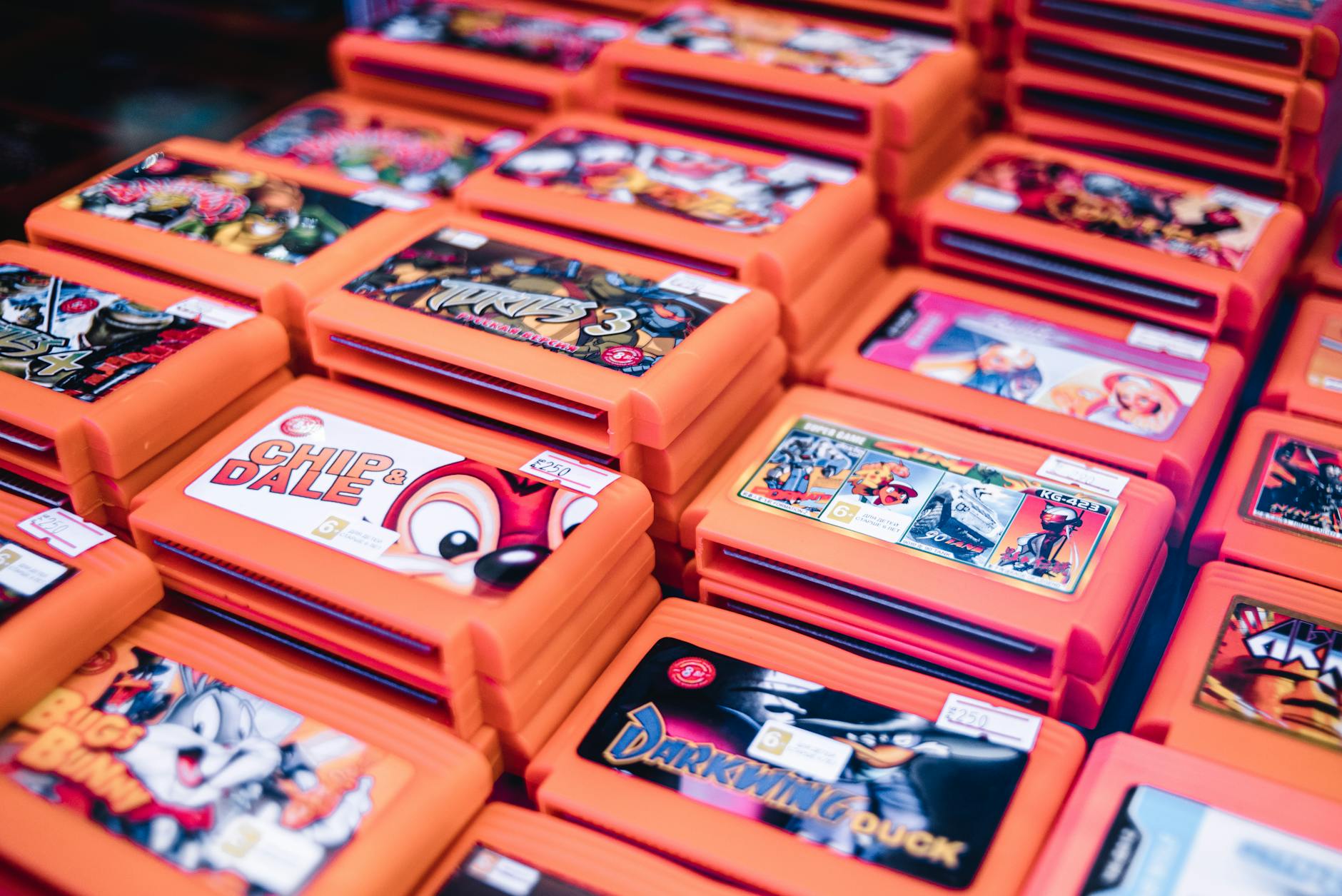
As the retro gaming scene continues to thrive, the issue of counterfeit cartridges has become increasingly prevalent. Understanding how to distinguish genuine games from fakes is crucial for collectors looking to safeguard their investments. Here’s a guide to help you navigate the world of retro game cartridges and avoid costly mistakes.
Understanding the Problem 🎮
The phenomenon of fake game reproductions has been around for years, particularly in the realm of retro gaming. These counterfeit cartridges are often sold at low prices, making them tempting for unsuspecting buyers. However, they are merely imitations of the original products, lacking the quality and authenticity that collectors value.
In recent years, the rise of online marketplaces has exacerbated the issue, with counterfeiters leveraging platforms like eBay and Amazon to reach a broader audience. According to a 2023 report from the International Anti-Counterfeiting Coalition, counterfeit video game products have surged by 25% in the past two years alone. This alarming trend highlights the need for collectors to be vigilant and informed.
To avoid falling victim to these scams, it’s essential to familiarize yourself with the characteristics of authentic cartridges. Key features such as the label quality, cartridge weight, and even the internal components can provide clues about a cartridge’s legitimacy.
Key Signs of Authenticity
- Label Quality: Genuine cartridges typically have high-quality, vibrant labels. Look for any signs of poor printing or fading. Authentic labels often have a glossy finish, while fakes may appear dull or have misaligned graphics.
- Weight: Original cartridges often have a specific weight due to the materials used. If a cartridge feels unusually light, it might be a fake. For example, an original Nintendo Entertainment System (NES) cartridge usually weighs around 120 grams.
- Internal Components: If you’re comfortable, opening the cartridge can reveal a lot. Authentic cartridges have specific chips and circuit boards that counterfeits often lack. For instance, many original cartridges have a distinct chip number printed on the board that can be cross-referenced with known authentic models.
Tips for Avoiding Counterfeits 🕵️♂️
When purchasing retro game cartridges, especially online, it’s vital to do your homework. Here are some strategies to help you avoid counterfeit products:
- Research the Seller: Always check the seller’s reputation. Look for reviews and ratings from previous buyers. Websites like eBay allow you to see a seller’s history and feedback score, which can be a good indicator of reliability.
- Compare Prices: If a deal seems too good to be true, it probably is. Compare prices with other listings to gauge the average market value. For example, if a popular game like “The Legend of Zelda” is listed for $10, it’s likely a reproduction.
- Ask for Detailed Photos: Request clear images of the cartridge from multiple angles. This can help you spot inconsistencies in the design or labeling. Pay attention to the corners of the cartridge and the label edges, as these areas often reveal signs of tampering.
- Join Collector Communities: Engage with online forums and social media groups dedicated to retro gaming. Members often share their experiences and can provide valuable insights. Platforms like Reddit and Facebook have dedicated groups where collectors discuss their finds and warn each other about potential fakes.
Quick Takeaways 📌
- Counterfeit cartridges are increasingly common in the retro gaming market, with estimates suggesting that up to 30% of online listings may contain fakes.
- Authentic cartridges have distinct features that can be identified with careful inspection, including label quality, weight, and internal components.
- Always research sellers and compare prices to avoid scams, and leverage community knowledge for additional support.
FAQ ❔
How can I tell if a cartridge is a reproduction?
Look for signs like poor label quality, unusual weight, and discrepancies in the internal components. Researching the specific game can also help you identify what to expect from an authentic cartridge. For example, if you know that a specific game has a unique holographic sticker, its absence could indicate a reproduction.
Are reproductions worth collecting?
While some collectors may find value in reproductions for playability, they typically lack the collectible value of original cartridges. It’s essential to understand your goals as a collector before investing in reproductions. Some collectors focus on having playable versions of rare games, while others prioritize authenticity and value.
What should I do if I suspect I bought a fake?
If you believe you’ve purchased a counterfeit cartridge, contact the seller for a refund. Additionally, consider sharing your experience in collector communities to warn others and gather advice on how to proceed. Documenting your findings with photos can also help you make your case.
How can I store my retro game cartridges to prevent damage?
To preserve the integrity of your cartridges, store them in a cool, dry place away from direct sunlight. Consider using protective cases or sleeves to prevent dust accumulation and physical damage. Additionally, avoid stacking cartridges on top of each other, as this can lead to warping or label damage.
By being vigilant and informed, you can enjoy the thrill of retro gaming without the fear of counterfeit cartridges ruining your collection. Stay sharp, and happy gaming!