
Neural Biocomputer Masters Doom: A Leap in Gaming Tech
A groundbreaking biocomputer using human neurons has learned to play Doom, showcasing a new frontier in gaming technology and neuroscience. Discover why it matt
- BackZee
- 5 min read
TL;DR 🚀
Make sure to check our deep dive on why this matters.
- A biocomputer made from human neurons has learned to play Doom.
- This innovation highlights the intersection of neuroscience and gaming.
- The project opens doors to new possibilities in AI and interactive entertainment.
- Ethical considerations arise regarding the use of biological materials in technology.
- The implications extend to various fields, including healthcare and robotics.
In an exciting development at the crossroads of neuroscience and technology, researchers have created a biocomputer that can play the classic video game Doom using human neurons. This groundbreaking achievement not only showcases the potential of biological computing but also raises intriguing questions about the future of artificial intelligence and gaming.
The Biocomputer Breakthrough 🧠
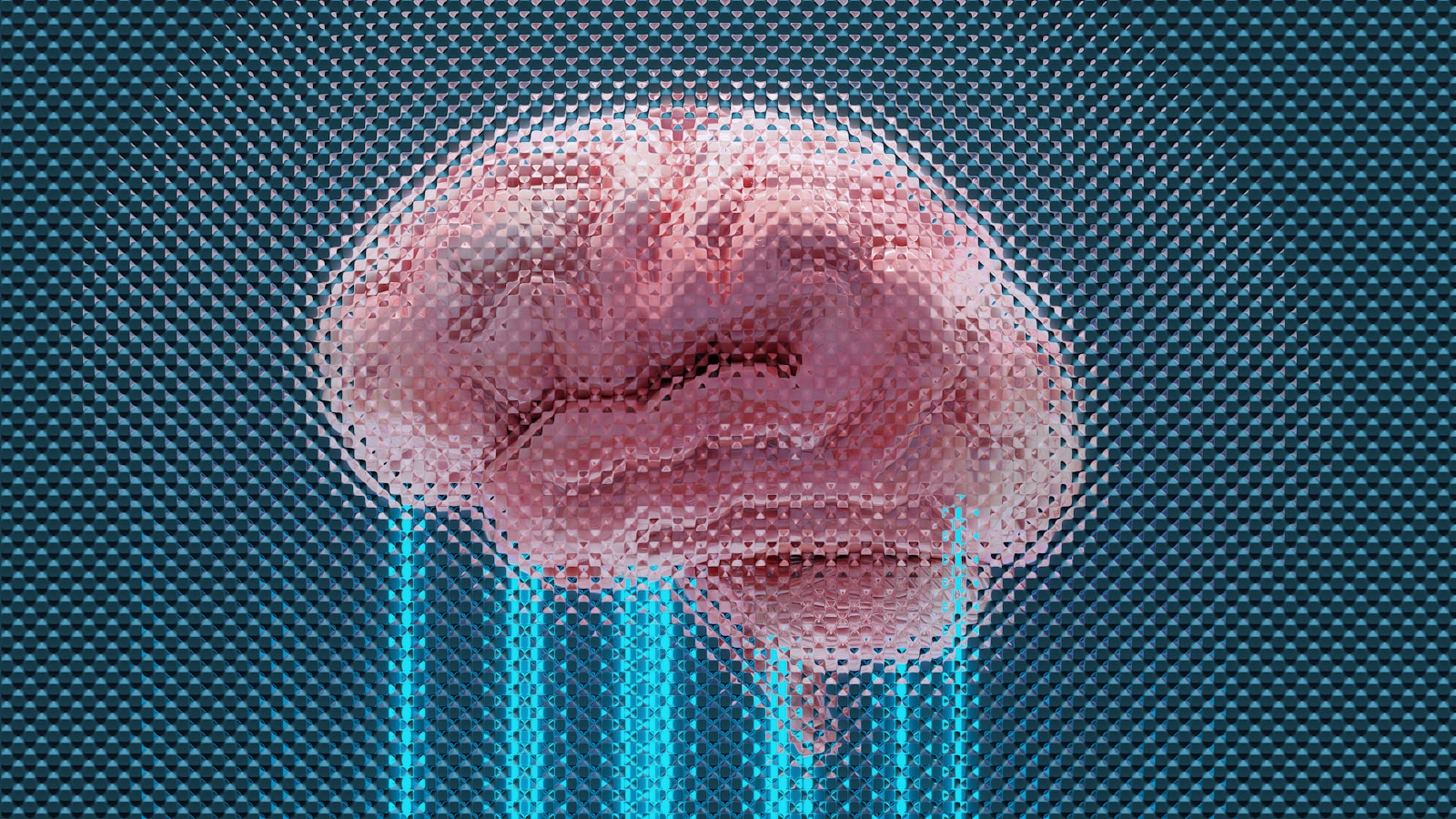
The biocomputer, which consists of cultured human neurons, has been trained to navigate the pixelated world of Doom. This project is a significant step forward in understanding how biological systems can be integrated with digital technology. By utilizing living neurons, scientists are exploring new ways to create intelligent systems that can learn and adapt in real-time.
The process involved connecting the neurons to a computer interface, allowing them to receive inputs and respond accordingly. As the biocomputer played Doom, it demonstrated a remarkable ability to learn from its environment, showcasing the adaptive nature of biological systems. This could lead to advancements in how we approach AI development, moving beyond traditional silicon-based systems.
To put this achievement into perspective, consider that traditional AI systems rely heavily on pre-programmed algorithms and vast amounts of data to learn. In contrast, this biocomputer uses real biological neurons, which can process information in a fundamentally different way. According to a study published in the journal Nature, biological systems can exhibit learning capabilities that are more efficient than their silicon counterparts, particularly in complex environments like video games.
Implications for Gaming and AI 🎮
The implications of this research extend far beyond just playing video games. The successful integration of human neurons into a computing system could pave the way for more sophisticated AI that mimics human learning processes. This could revolutionize industries such as gaming, healthcare, and robotics.
For instance, imagine a healthcare application where biocomputers could analyze patient data and learn from new cases in real-time, offering personalized treatment recommendations. In gaming, the ability to create NPCs (non-player characters) that learn and adapt to player behavior could lead to more immersive and dynamic gaming experiences.
Moreover, the project raises ethical considerations regarding the use of biological materials in technology. As we continue to push the boundaries of what is possible, it’s essential to engage in discussions about the implications of creating machines that learn and evolve like living beings. For more insights on the ethical dimensions of AI, check out our post on /posts/ai-ethics/.
Cultural Insights 🌍
The intersection of neuroscience and gaming is not merely a technical endeavor; it also reflects broader cultural trends. Video games have long been a medium for exploring complex themes, including identity, consciousness, and the nature of intelligence. The emergence of biocomputers adds a new layer to this discourse, inviting players and developers alike to consider what it means for a machine to learn and adapt in ways that resemble human cognition.
In many cultures, the concept of merging biology with technology has been met with both fascination and skepticism. For instance, in Japan, there is a rich history of exploring the relationship between humans and machines, as seen in anime and robotics. The biocomputer project could inspire new narratives in gaming that challenge players to confront ethical dilemmas surrounding AI and biological integration.
Quick Takeaways 📌
- The biocomputer uses human neurons to play Doom.
- It learns and adapts in real-time, similar to human cognition.
- This innovation could transform AI development and gaming.
- Ethical considerations are crucial as we explore biological computing.
- The cultural implications of this technology could reshape narratives in gaming.
FAQ ❔
What is a biocomputer?
A biocomputer is a computing system that uses biological materials, such as human neurons, to process information and perform tasks. This technology represents a new frontier in computing, merging biology with digital systems.
How does the biocomputer play Doom?
The biocomputer is connected to a computer interface that allows it to receive inputs and respond to the game environment. Through training, it learns to navigate the game, demonstrating the potential for biological systems to adapt and learn.
What are the potential applications of this technology?
The technology could have far-reaching applications in various fields, including gaming, healthcare, and robotics. It may lead to the development of more advanced AI systems that can learn and evolve in ways similar to humans.
What ethical concerns are associated with biocomputers?
The use of biological materials in technology raises questions about consent, the treatment of living cells, and the potential for creating sentient machines. As we advance in this field, it is crucial to address these ethical dilemmas to ensure responsible development.
How could this technology impact the future of gaming?
The ability for biocomputers to learn and adapt could lead to more immersive gaming experiences, where NPCs behave in unpredictable and lifelike ways. This could redefine player interactions and storytelling within games.
The creation of a biocomputer that can play Doom is a remarkable achievement that highlights the potential of merging neuroscience with technology. As we continue to explore this uncharted territory, the possibilities for innovation are endless. This project not only enhances our understanding of biological systems but also challenges us to rethink the future of computing and artificial intelligence.