
Moscow to Use AI for Protecting Green Spaces and Cultural Heritage
Moscow is set to implement AI technology to safeguard green areas and cultural sites, enhancing urban management and compliance. Discover why it matters for Gen
- BackZee
- 5 min read
TL;DR 🚀
Make sure to check our deep dive on why this matters.
- Moscow launches AI initiative for urban management.
- Focus on protecting green spaces and cultural heritage.
- Experiment runs from January 2026 to December 2028.
- Advanced technologies like LIDAR and neural networks will be utilized.
- Aims to create a more efficient and responsive governance model.
In an exciting move towards modern urban management, Moscow is gearing up to implement artificial intelligence (AI) technology to protect green spaces and cultural heritage sites. This initiative, announced by President Vladimir Putin, aims to enhance the city’s ability to monitor and maintain its environmental and cultural assets effectively. As urban areas continue to grow, the need for innovative solutions to manage these spaces becomes increasingly critical.
The AI Experiment Begins 🎉
Starting from January 1, 2026, Moscow will embark on a three-year experiment that utilizes advanced technologies for monitoring urban compliance. The project is set to conclude on December 31, 2028. The primary goal is to leverage automated systems to identify violations related to the preservation of cultural heritage, the protection of greenery, and overall urban beautification.
This initiative will employ a variety of technical tools, including city surveillance cameras, vehicle-mounted cameras, and drones. These devices will be equipped with capabilities for audio recording, object detection, and recognition. The use of neural network systems, signal sensors, and LIDAR technology will further enhance the city’s monitoring capabilities.
Key Areas of Focus
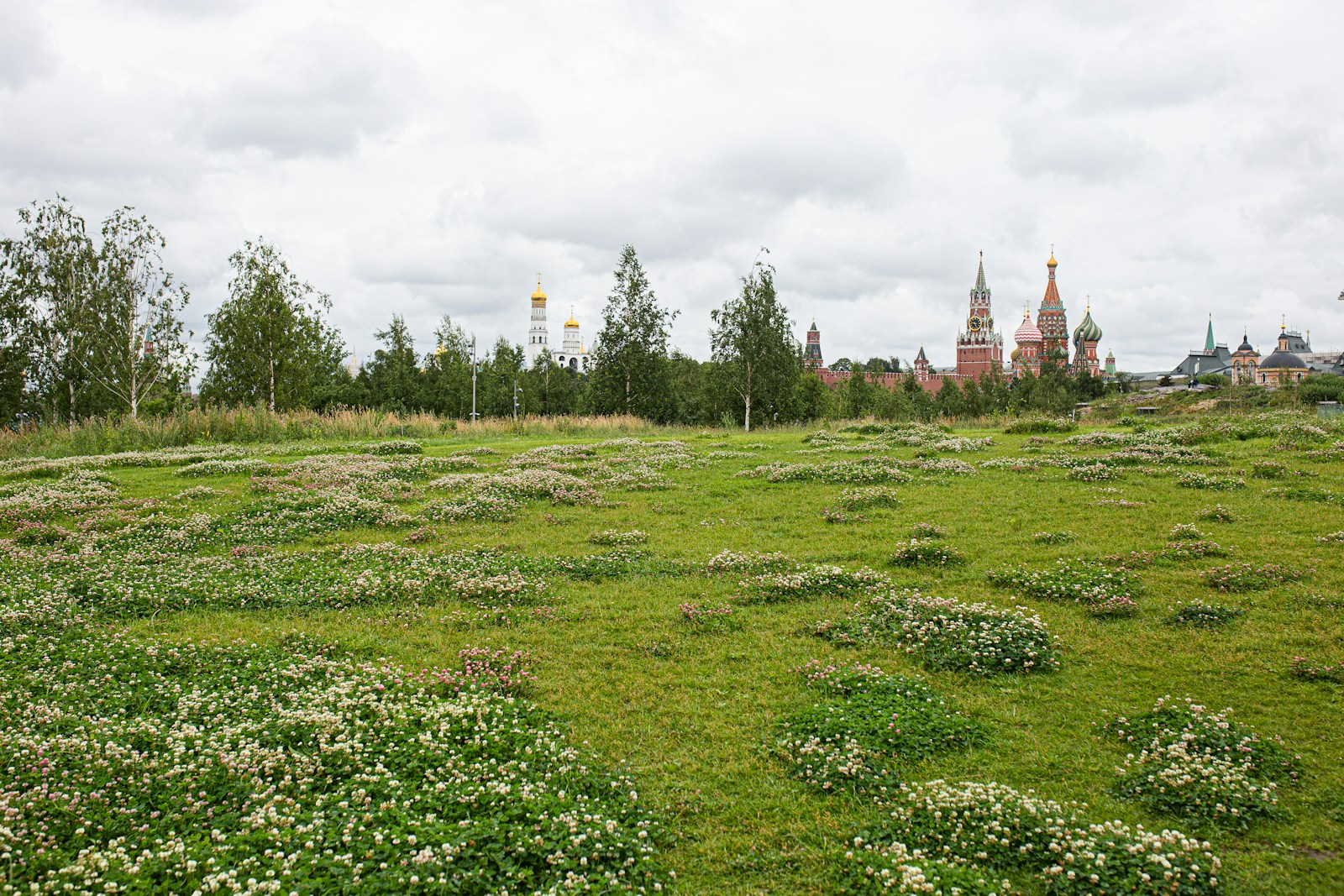
- Cultural Heritage Protection: Ensuring that historical sites are preserved and respected. Moscow is home to numerous UNESCO World Heritage Sites, including the Kremlin and Red Square, which are vital to the city’s identity and tourism.
- Green Space Management: Monitoring parks and gardens to maintain their health and accessibility. With over 100 parks and gardens in the city, the initiative aims to ensure these areas remain vibrant and well-maintained for residents and visitors alike.
- Urban Infrastructure Oversight: Keeping tabs on construction and environmental compliance. This includes monitoring noise levels, air quality, and adherence to building regulations, which are crucial for sustainable urban development.
The Role of Technology in Urban Management 🌍
The integration of AI in urban management is a significant step forward for Moscow. By utilizing these technologies, the city aims to create a more efficient and responsive governance model. The AI systems will not only help in identifying violations but also in analyzing data to improve decision-making processes.
For instance, the use of infrared spectroscopy and weight measurement stations will allow for a more nuanced understanding of environmental impacts and compliance with regulations. This data-driven approach is expected to lead to better resource allocation and improved urban planning. According to a 2023 report by the Moscow Urban Planning Institute, effective management of green spaces can reduce urban heat by up to 5°C, significantly impacting the quality of life for residents.
Moreover, the initiative aligns with global trends in urban management where cities like Singapore and Barcelona have successfully integrated AI to enhance their urban environments. For example, Singapore’s Smart Nation initiative uses AI to manage its extensive green spaces, leading to increased biodiversity and improved public health outcomes.
Quick Takeaways 📌
- Moscow’s AI initiative aims to enhance urban compliance monitoring.
- The project will run for three years, focusing on green and cultural preservation.
- Advanced technologies like LIDAR and neural networks will be utilized.
- The initiative is part of a broader trend in global urban management.
- Effective management of green spaces can significantly improve urban living conditions.
FAQ ❔
What is the main goal of this AI initiative in Moscow?
The primary aim is to utilize AI technology to monitor and protect green spaces and cultural heritage sites, ensuring compliance with urban regulations. This initiative is crucial for maintaining the city’s historical integrity and environmental health.
How long will the experiment last?
The AI experiment will run from January 1, 2026, to December 31, 2028, allowing ample time to assess its effectiveness and make necessary adjustments based on initial findings.
What technologies will be used in this initiative?
The initiative will employ various technologies, including surveillance cameras, drones, LIDAR systems, and neural networks, to enhance monitoring and compliance efforts. These technologies will work in tandem to provide a comprehensive overview of the city’s environmental and cultural landscape.
How will this initiative impact local communities?
By ensuring the preservation of green spaces and cultural sites, the initiative aims to enhance the quality of life for local communities. Improved parks and heritage sites can lead to increased community engagement, tourism, and overall well-being.
What are the expected challenges of implementing AI in urban management?
Challenges may include data privacy concerns, the need for substantial investment in technology, and ensuring that the AI systems are effectively integrated into existing urban management frameworks. Addressing these challenges will be crucial for the success of the initiative.
As Moscow steps into this new era of urban management, the implications of AI technology could reshape how cities approach environmental and cultural preservation. This initiative not only showcases the potential of technology in governance but also highlights the importance of protecting our shared heritage and green spaces for future generations. The success of this project could serve as a model for other cities worldwide, demonstrating the transformative power of AI in urban environments.