
International Space Station Set for Deorbiting in 2028
The International Space Station will begin its deorbiting process in 2028, marking a significant milestone in space exploration history. Discover why it matters
- BackZee
- 5 min read
TL;DR 🚀
Make sure to check our deep dive on why this matters.
- The International Space Station (ISS) will be decommissioned in 2028.
- This decision marks the end of an era for human spaceflight.
- Future plans include new space stations and missions beyond low Earth orbit.
- The ISS has hosted over 240 astronauts from 19 countries, contributing to global scientific collaboration.
- The transition to commercial space stations is expected to open new avenues for research and exploration.
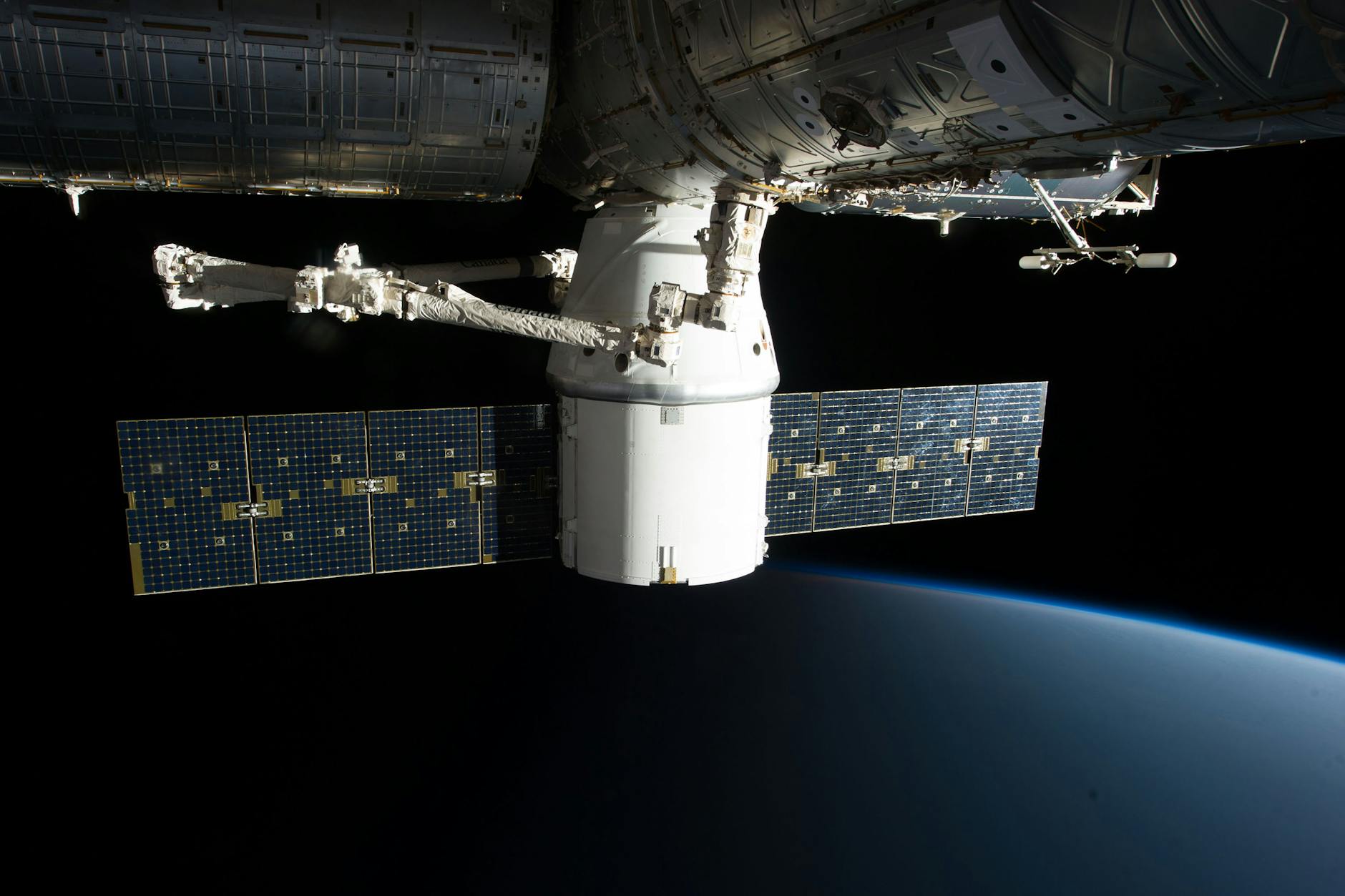
The International Space Station (ISS), a marvel of modern engineering and international collaboration, is set to begin its deorbiting process in 2028. This decision signifies a pivotal moment in the realm of space exploration, as the ISS has been a cornerstone of scientific research and international cooperation since its launch.
The End of an Era 🚀
The ISS has been orbiting Earth since 1998, serving as a laboratory for scientific research and a platform for international collaboration. Over the years, it has hosted astronauts from various countries, contributing to advancements in fields such as biology, physics, and astronomy. For instance, research conducted on the ISS has led to breakthroughs in understanding muscle atrophy, fluid dynamics, and even the effects of long-duration spaceflight on the human body. As the station approaches the end of its operational life, discussions about its future have intensified.
NASA, along with its international partners, has decided that 2028 will mark the official start of the decommissioning process. This decision is based on the station’s aging infrastructure and the need for more advanced facilities to support future missions. The ISS has exceeded its initial lifespan of 15 years, and while it has undergone numerous upgrades, the time has come to transition to new ventures.
What Comes Next? 🌌
As the ISS prepares for its final chapter, plans for its successors are already in motion. NASA and other space agencies are exploring the development of new space stations that will take the ISS’s place. These future stations aim to support more extensive research and facilitate missions further into space, including potential trips to Mars.
-
Commercial space stations are also on the horizon, with private companies like Blue Origin and Axiom Space expressing interest in creating their own orbiting laboratories. This shift towards privatization could lead to innovative research opportunities and new commercial ventures in space. For example, Axiom Space plans to launch its first commercial module to the ISS by 2024, which will eventually detach and become a standalone space station.
-
International collaboration will continue to play a crucial role in future missions. Countries such as China and Russia are developing their own space stations, like the Tiangong and the Russian Orbital Service Station, respectively. This diversification of space platforms could lead to a new era of global cooperation and competition in space exploration.
The Future of Space Exploration 🌠
The decommissioning of the ISS will not only impact scientific research but also reshape the landscape of human spaceflight. With the focus shifting to new technologies and missions, the next decade promises to be an exciting time for space enthusiasts.
As we look ahead, it’s essential to consider the legacy of the ISS. Its contributions to our understanding of life in space and the development of technologies that benefit life on Earth are immeasurable. The station has paved the way for future exploration and has inspired a new generation of scientists and engineers. For instance, technologies developed for the ISS have found applications in various fields, including medicine, environmental monitoring, and even everyday consumer products.
Quick Takeaways 📌
- The ISS has been operational for over 25 years, hosting over 240 astronauts from 19 countries.
- Future missions will focus on deeper space exploration, including potential manned missions to Mars.
- New commercial space stations may emerge post-ISS, fostering innovation and research.
- The legacy of the ISS will continue to influence space exploration and technology development for years to come.
FAQ ❔
Why is the ISS being decommissioned?
The ISS is being decommissioned due to its aging infrastructure and the need for more advanced facilities to support future space missions. The decision is also influenced by the high costs associated with maintaining the station and the desire to shift focus to new technologies.
What will happen to the ISS after it is decommissioned?
After decommissioning, the ISS will be gradually deorbited and will eventually re-enter Earth’s atmosphere, where most of it will burn up, with some debris potentially falling into the ocean. This process is carefully planned to minimize risks to populated areas.
What are the plans for new space stations?
Plans for new space stations include both government-operated facilities and commercial ventures, aimed at supporting ongoing research and facilitating missions beyond low Earth orbit. The upcoming Artemis program, which aims to return humans to the Moon, will also utilize new lunar orbiting stations as part of its infrastructure.
How has the ISS impacted international collaboration in space?
The ISS has been a symbol of international collaboration, bringing together space agencies from the United States, Russia, Europe, Japan, and Canada. This collaboration has not only advanced scientific research but has also fostered diplomatic relations and shared goals in space exploration.
The future of space exploration is bright, and while the ISS will be missed, its legacy will continue to inspire and inform the next steps in humanity’s journey into the cosmos. As we prepare for a new era of exploration, the lessons learned from the ISS will undoubtedly shape our endeavors in the great beyond.