
Bright Object Spotted in Moscow Sky: Meteor or Space Junk?
A glowing object seen in the Moscow region may be a meteorite or space debris, according to experts. Learn more about this mysterious sighting.
- BackZee
- 4 min read
TL;DR 🚀
Make sure to check our deep dive on why this matters.
- A bright object was spotted in the Moscow region’s sky.
- Experts suggest it could be a meteorite or space debris.
- The sighting has sparked curiosity on social media.
- The increasing presence of space debris raises concerns for future space missions.
- Public interest in astronomy is growing, fueled by such sightings.
Recently, a mysterious glowing object was captured on video soaring through the sky over the Moscow region. This sighting has ignited discussions among enthusiasts and experts alike, with theories ranging from a small meteorite to space debris. The event has not only piqued the interest of local residents but has also drawn attention from the global community, highlighting the ongoing fascination with celestial phenomena.
What Was Spotted? 🌌
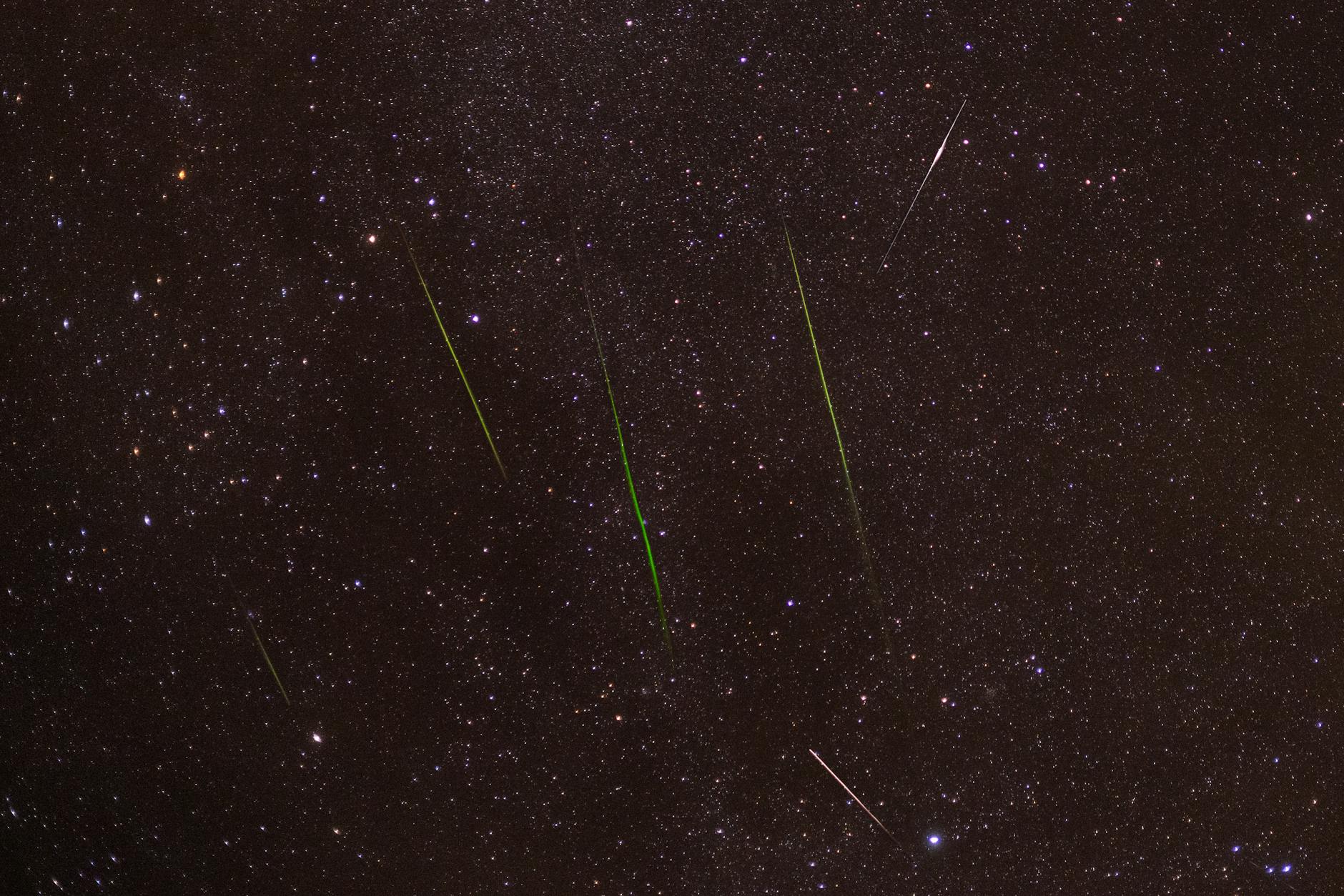
The video circulating on social media shows a brilliant light streaking across the sky, leaving many viewers intrigued. According to Sergey Bogachev, head of the solar astronomy laboratory at the Institute of Space Research, this phenomenon could likely be attributed to a small meteorite or even debris from a satellite.
The object’s brightness and speed suggest it was moving at a significant velocity, which is typical for meteors entering the Earth’s atmosphere. Meteors, often referred to as “shooting stars,” can create stunning visuals when they burn up upon entry. For example, the Perseid meteor shower, which occurs every August, is renowned for its bright and numerous meteors. However, the possibility of it being space debris raises questions about the increasing clutter in our orbit.
The Cultural Impact of Meteor Sightings
Historically, meteor sightings have sparked various cultural interpretations. In many ancient civilizations, meteors were seen as omens or messages from the gods. For instance, the ancient Greeks believed that meteors were manifestations of divine will. Today, while we understand the scientific basis for these phenomena, the awe they inspire remains unchanged. Social media platforms have become a modern-day agora for sharing such experiences, allowing people to connect over their shared fascination with the cosmos.
The Science Behind It 🔭
Experts are continuously monitoring the skies for such occurrences. The rise of space debris has become a pressing issue, as it poses risks to both satellites and potential space missions. The European Space Agency (ESA) estimates that there are over 34,000 pieces of debris larger than 10 cm orbiting Earth. This debris includes defunct satellites, spent rocket stages, and fragments from collisions, all of which can travel at speeds exceeding 28,000 kilometers per hour (17,500 miles per hour).
In recent years, there have been several notable sightings of glowing objects in various regions, leading to increased public interest in astronomy. For instance, in 2020, a similar event occurred in the skies over the United States, where a bright object was later identified as a piece of space debris re-entering the atmosphere. Such events have prompted discussions about the need for better tracking and management of space debris.
For those curious about the science behind meteors and space debris, you can check out our detailed post on /posts/understanding-meteors-and-space-debris. This resource delves into the lifecycle of meteors, the types of space debris, and the measures being taken to mitigate risks associated with them.
Quick Takeaways 📌
- The object was seen moving rapidly across the Moscow sky.
- Experts believe it may be a meteorite or space debris.
- Increased sightings have led to a rise in public interest in astronomy.
- The cultural significance of meteors continues to resonate today.
- Space debris management is becoming increasingly critical for future missions.
FAQ ❔
What exactly is a meteorite?
A meteorite is a solid fragment of a meteoroid that survives its passage through the Earth’s atmosphere and lands on the surface. These objects can vary in size and composition, often providing valuable insights into the solar system’s history. For example, the famous Hoba meteorite in Namibia is the largest known meteorite on Earth, weighing over 60 tons.
How does space debris affect satellites?
Space debris can collide with operational satellites, potentially causing damage or destruction. This risk has led to increased efforts in tracking and managing space debris to ensure the safety of space missions. The NASA Orbital Debris Program actively monitors and models the debris environment, providing critical data for satellite operators.
Are there any safety concerns with meteors?
While most meteors burn up in the atmosphere and pose no threat, larger meteors can survive and impact the Earth. However, such events are rare, and scientists continuously monitor for any potential threats from larger celestial bodies. The last significant impact event was the Chelyabinsk meteor in 2013, which exploded in the atmosphere and caused injuries to over 1,500 people, primarily due to broken glass from windows.
The recent sighting over Moscow has not only captured the attention of locals but also highlights the ongoing conversation about our planet’s relationship with space. As we continue to explore and understand the cosmos, these events remind us of the beauty and mystery that lies beyond our atmosphere. The growing interest in astronomy, fueled by such sightings, encourages a new generation to look up and ponder the vastness of the universe.