
Artemis 2 Mission Captures Stunning Solar Eclipse from Lunar Orbit
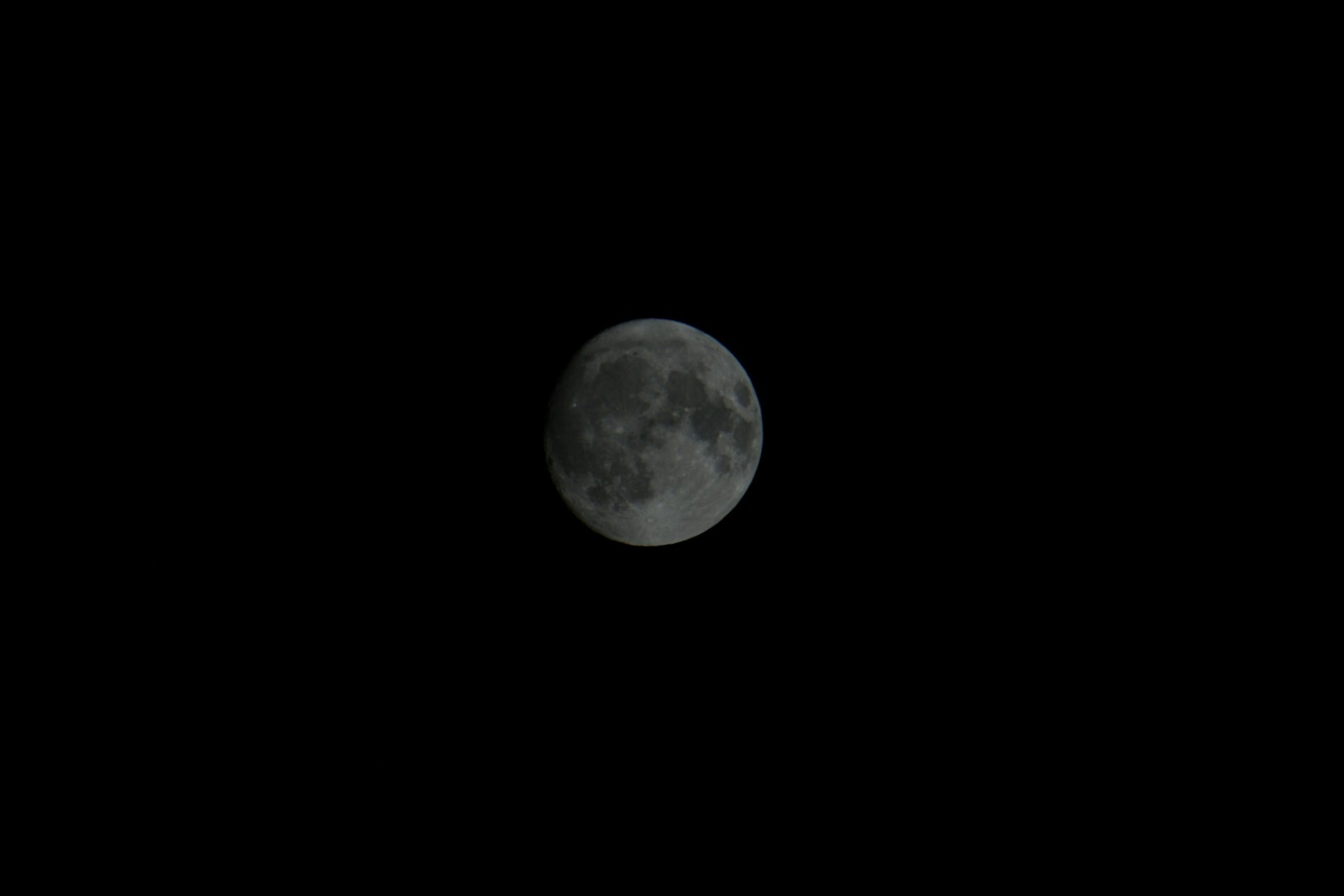
NASA's Artemis 2 mission has released breathtaking images of a solar eclipse captured from the moon's orbit, showcasing the beauty of space.
- BackZee
- 5 min read
TL;DR 🚀
Make sure to check our deep dive on why this matters.
- NASA’s Artemis 2 mission has successfully photographed a solar eclipse.
- The images were taken from the moon’s orbit, offering a unique perspective.
- This mission continues to push the boundaries of space exploration.
- The captured eclipse provides valuable scientific data about solar phenomena.
- Artemis 2 is paving the way for future lunar and Martian explorations.
NASA’s Artemis 2 mission has made headlines by capturing a spectacular solar eclipse from the moon’s orbit. The stunning images showcase the moment when the moon obscured the sun, providing a rare view that only a few have experienced. This mission is a significant step in advancing our understanding of space and celestial events.
Capturing the Moment 🌒
The Artemis 2 mission, part of NASA’s ambitious plans for lunar exploration, has provided us with breathtaking visuals of a solar eclipse. The images reveal the moon perfectly aligned between the Earth and the sun, creating a mesmerizing spectacle.
This event is not just a visual treat; it also serves as a reminder of the dynamic interactions between celestial bodies. The photographs taken during this mission highlight the importance of observing such phenomena from different vantage points, particularly from the moon, which offers a unique perspective that ground-based observations cannot match.
- The eclipse was fully visible from the lunar surface.
- The mission aims to enhance our understanding of solar phenomena.
The Science Behind the Eclipse
When the moon passes between the Earth and the sun, it casts a shadow on Earth, resulting in a solar eclipse. From the moon’s perspective, however, the dynamics shift. The sun appears to be partially or fully obscured by the Earth, creating a unique opportunity for scientists to study the sun’s corona—the outer atmosphere that is usually obscured by the brightness of the sun itself.
The data collected during this eclipse can help scientists understand solar flares and coronal mass ejections, which can impact satellite communications and power grids on Earth. For instance, during the last solar eclipse in 2024, scientists noted a significant increase in solar activity, which they attributed to the unique conditions created by the alignment of the celestial bodies.
The Significance of Artemis 2 🚀
The Artemis 2 mission is more than just a photography project; it represents a new era of space exploration. As NASA prepares for future missions, including potential crewed flights to Mars, the data collected during this mission will be invaluable. The ability to capture events like a solar eclipse from lunar orbit not only enriches our scientific knowledge but also inspires the next generation of explorers.
The mission’s success underscores the potential of lunar exploration. As we continue to push the boundaries of what is possible, the Artemis program aims to establish a sustainable human presence on the moon. This will pave the way for future missions to Mars and beyond. The Artemis program is projected to cost around $35 billion over the next decade, emphasizing the commitment to long-term space exploration.
Cultural Impact of Lunar Exploration
The Artemis program also has significant cultural implications. The images captured during the Artemis 2 mission will likely inspire art, literature, and educational initiatives. The sight of a solar eclipse from the moon can evoke a sense of wonder and curiosity about the universe, encouraging young people to pursue careers in STEM (Science, Technology, Engineering, and Mathematics).
Historically, solar eclipses have held great significance in various cultures. For example, ancient civilizations often viewed eclipses as omens or messages from the gods. Today, the scientific community uses these events to deepen our understanding of the cosmos, bridging the gap between ancient beliefs and modern science.
Quick Takeaways 📌
- Artemis 2 captures a solar eclipse from lunar orbit.
- The mission enhances our understanding of celestial events.
- Future lunar missions are set to expand human presence in space.
- The scientific data collected will aid in understanding solar phenomena.
- Cultural implications of lunar exploration inspire future generations.
FAQ ❔
What is the Artemis 2 mission?
The Artemis 2 mission is NASA’s second crewed mission aimed at returning humans to the moon. It focuses on lunar exploration and gathering data to support future missions. This mission is part of a broader initiative to establish a sustainable human presence on the moon.
How does capturing a solar eclipse from the moon differ from Earth?
Observing a solar eclipse from the moon provides a unique perspective, allowing for a clearer view of the event without atmospheric interference. This vantage point offers scientists valuable data about solar phenomena, including the sun’s corona, which is typically obscured from view on Earth.
Why is the Artemis program important for future space exploration?
The Artemis program is crucial because it aims to establish a sustainable human presence on the moon, which will serve as a stepping stone for future missions to Mars and deeper into the solar system. It represents a significant leap in our capabilities for long-term space exploration, with the potential to unlock new scientific discoveries.
What are the future implications of the data collected during this mission?
The data collected during the Artemis 2 mission will not only enhance our understanding of solar phenomena but also inform future missions. Insights gained from the solar eclipse can lead to better predictions of solar activity, which is essential for protecting satellites and power grids on Earth.
How can the public engage with the Artemis program?
The public can engage with the Artemis program through various channels, including educational outreach, social media, and public events. NASA often shares updates, images, and educational resources that allow individuals to learn more about space exploration and its significance.