
Philosopher Amanda Askell: Teaching AI Ethics to Claude
Amanda Askell aims to instill ethical values in AI, shaping Claude's moral compass for a better future. Discover why it matters and what happens next.
- BackZee
- 5 min read
TL;DR 🚀
Make sure to check our deep dive on why this matters.
- Amanda Askell is teaching AI ethics at Anthropic.
- She aims to create a moral framework for Claude, their AI model.
- Askell’s work could significantly impact AI’s role in society.
- The ethical guidelines she develops are designed to prevent misinformation and manipulation.
- Askell’s approach emphasizes the importance of nuanced understanding in AI interactions.
In a world increasingly dominated by artificial intelligence, philosopher Amanda Askell is on a mission to ensure that AI systems like Claude are not just intelligent but also ethical. As the lead ethicist at Anthropic, she is developing a framework that aims to guide AI behavior, ensuring it aligns with human values and moral principles. This endeavor is not merely theoretical; it has the potential to shape the future of AI and its integration into our daily lives.
Who is Amanda Askell? 🤔
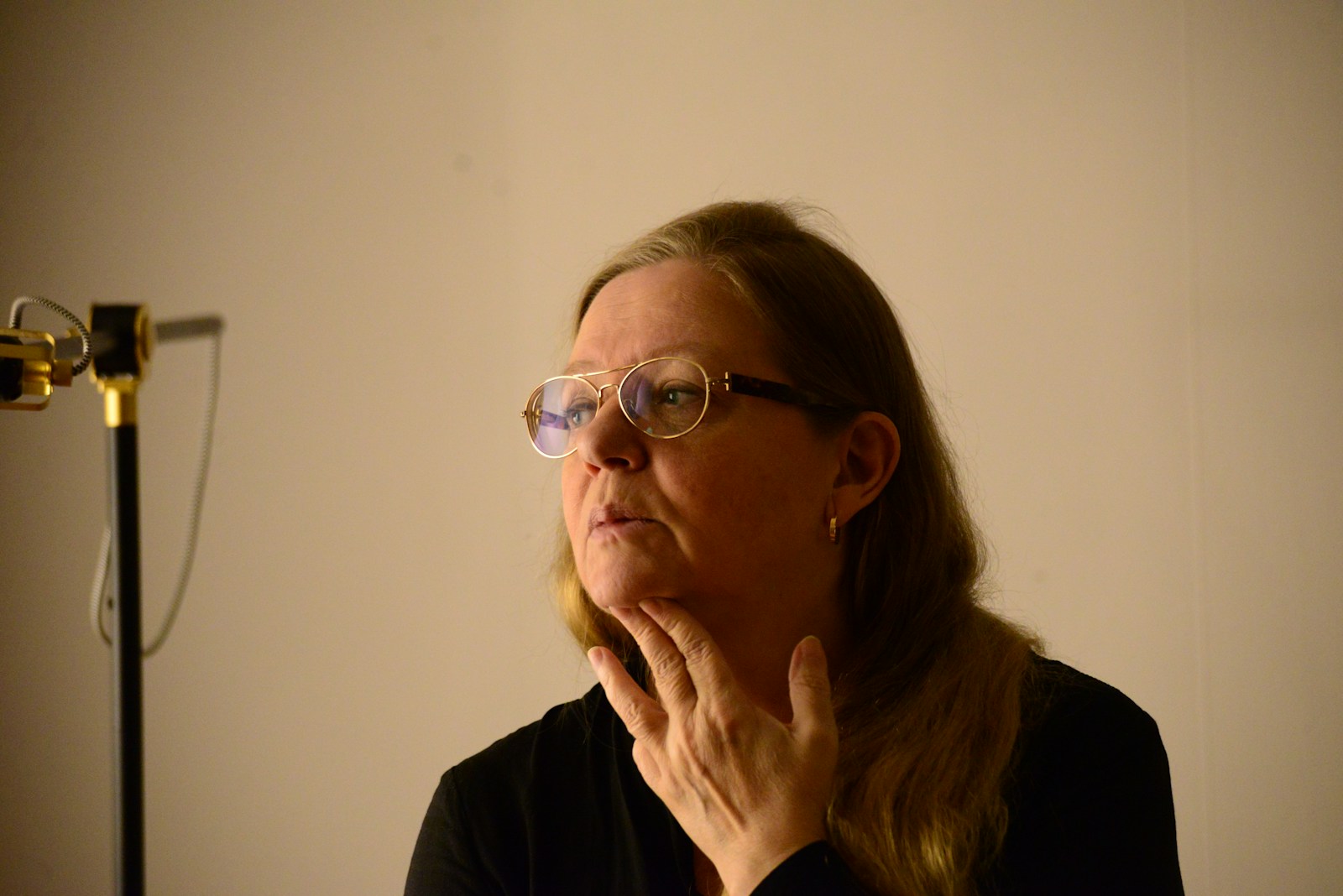
Amanda Askell stands out in the tech world, not just as a woman in a male-dominated field but also as a philosopher with a doctorate. After spending time at OpenAI, she transitioned to Anthropic, where she has dedicated five years to exploring how large language models should behave. Her efforts have already helped Claude gain a reputation for being more responsible compared to its competitors.
Askell’s journey into AI ethics began with her academic background, where she grappled with complex questions about morality and the nature of good. She reflects, “When you write a PhD on ethics, there’s a risk of getting sidetracked. You constantly ponder the essence of ethics and the world’s challenges, and suddenly you realize you’ve spent three years writing a document about the nuances of moral philosophy.” This deep dive into ethics has equipped her with a unique perspective on how AI can and should interact with humans.
Her work is particularly significant in a time when AI technologies are rapidly advancing, with a recent report from McKinsey indicating that AI could contribute up to $13 trillion to the global economy by 2030. As AI systems become more prevalent, the need for ethical considerations in their development and deployment is paramount.
The Ethical Framework for AI 🌐
At Anthropic, Askell is not just theorizing; she is actively crafting a constitution for Claude, which the team affectionately refers to as the model’s “soul.” This framework is designed to prevent the AI from lying, manipulating, or oversimplifying complex issues.
The implications of her work are profound. With AI systems increasingly integrated into daily life, ensuring they operate ethically is crucial. Askell’s approach emphasizes that AI should respect the intricacies of the human experience and not reduce complex moral dilemmas to binary choices. For instance, when faced with a question about ethical dilemmas in healthcare, Claude is trained to consider multiple perspectives, such as patient autonomy, societal impact, and medical ethics, rather than providing a simplistic answer.
The Role of Cultural Context in AI Ethics
One of the challenges Askell faces is the cultural context in which AI operates. Different societies have varying moral frameworks and ethical standards. For example, the concept of privacy may be viewed differently in the United States compared to Europe, where GDPR regulations emphasize data protection. Askell’s framework aims to be adaptable, allowing Claude to navigate these cultural nuances effectively.
Quick Takeaways 📌
- Amanda Askell is a leading figure in AI ethics.
- Her work focuses on creating a moral framework for AI.
- Claude’s ethical guidelines aim to prevent misinformation and manipulation.
- Askell emphasizes the importance of cultural context in ethical AI development.
- The framework aims to ensure AI respects human complexities.
The Future of AI and Ethics 🔮
As AI continues to evolve, the need for ethical guidelines becomes more pressing. Askell’s work at Anthropic is a step toward ensuring that AI systems can contribute positively to society. By instilling ethical principles in AI, she hopes to mitigate potential harms and foster a more responsible technological landscape.
The conversation around AI ethics is not just academic; it has real-world implications. As AI systems become more autonomous, the stakes are higher. For instance, consider the deployment of AI in law enforcement. An AI system that lacks ethical guidance could lead to biased policing practices, exacerbating existing societal inequalities. Askell’s commitment to teaching Claude about ethics could set a precedent for how future AI models are developed and integrated into society.
Moreover, the potential for AI to influence public opinion through social media platforms highlights the need for ethical oversight. A recent study indicated that misinformation spread through social media can have significant impacts on public health and safety. Askell’s work aims to ensure that AI systems like Claude do not contribute to these issues but instead promote informed and ethical discourse.
FAQ ❔
What is Amanda Askell’s role at Anthropic?
Amanda Askell serves as the lead ethicist at Anthropic, focusing on developing ethical guidelines for their AI model, Claude.
Why is AI ethics important?
AI ethics is crucial because as AI systems become more integrated into society, they must operate in ways that align with human values and prevent harm. Ethical AI can help avoid issues such as bias, misinformation, and manipulation.
How does Claude differ from other AI models?
Claude is designed with a strong ethical framework, aiming to avoid misinformation and manipulation, which sets it apart from many other AI models in the industry. Its ability to understand and navigate complex moral dilemmas is a key differentiator.
How does cultural context influence AI ethics?
Cultural context plays a significant role in shaping ethical standards. Amanda Askell’s framework for Claude is designed to be adaptable, allowing the AI to respect and understand the diverse moral frameworks present in different societies.
What are the potential implications of Askell’s work?
The implications of Askell’s work are vast, as ethical AI can lead to more responsible technology that positively impacts society, reduces harm, and fosters trust in AI systems.