
10-Year-Old's Heartfelt Letter to NASA: Bring Pluto Back as a Planet!
A young girl wrote to NASA asking to restore Pluto's planet status and received a thoughtful response. Discover the inspiring story! Discover why it matters and
- BackZee
- 5 min read
TL;DR 🚀
Make sure to check our deep dive on why this matters.
- A 10-year-old girl named Kaela reached out to NASA.
- She requested that Pluto be reinstated as a planet.
- NASA responded with a thoughtful message.
- The debate over Pluto’s classification continues to engage both scientists and the public.
- Kaela’s initiative inspires young minds to explore science and express their opinions.
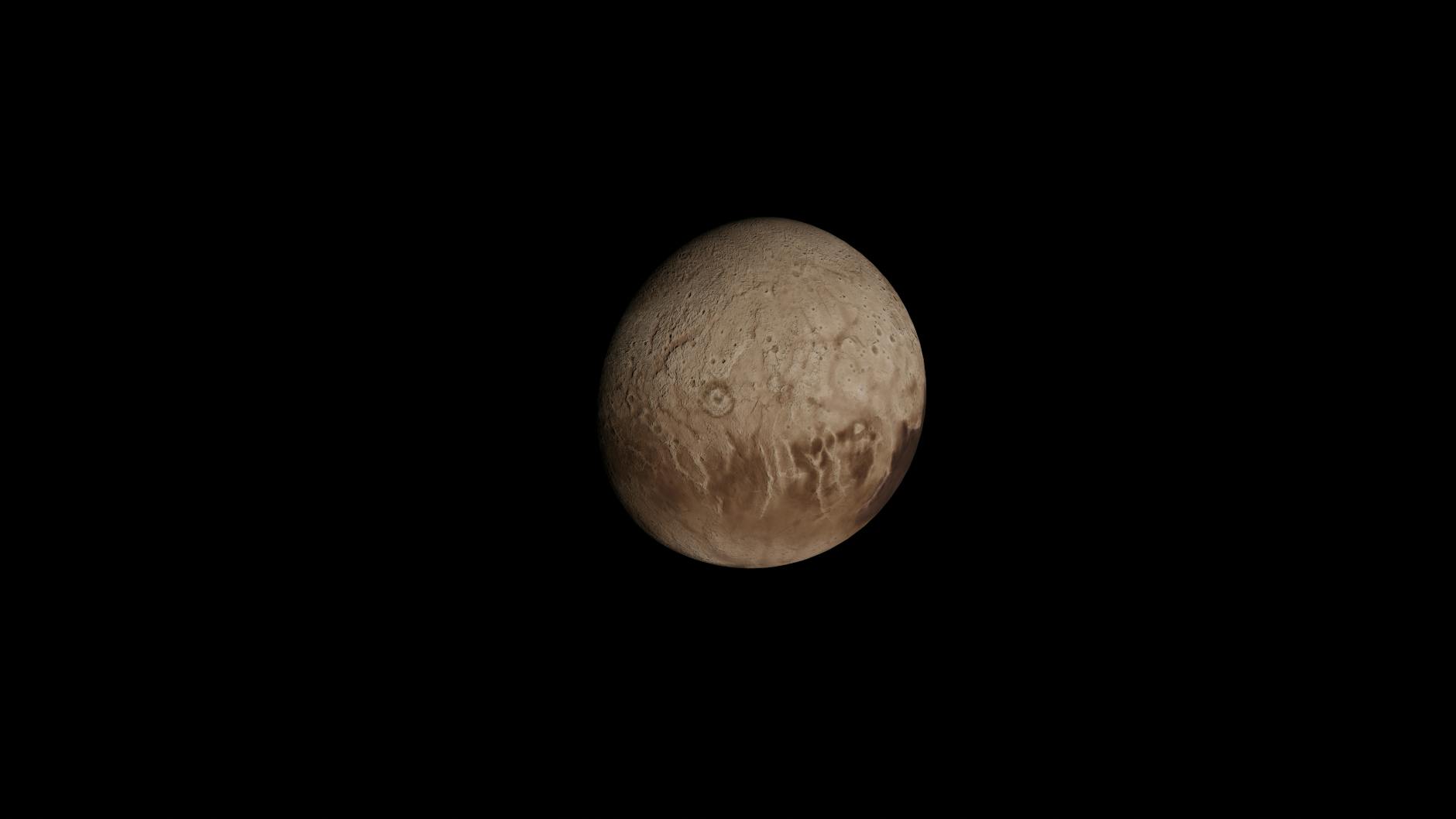
In a charming display of youthful curiosity, a 10-year-old girl named Kaela has captured hearts by writing to NASA, urging them to reconsider Pluto’s status as a planet. Her heartfelt letter not only reflects the innocence of childhood but also highlights the ongoing debate surrounding Pluto’s classification in our solar system.
A Letter to the Stars ✨
Kaela’s letter to NASA was filled with passion and determination. She expressed her belief that Pluto deserves to be recognized as a planet once again, despite being reclassified as a “dwarf planet” in 2006. This change sparked widespread debate among astronomers and space enthusiasts alike, with many still advocating for Pluto’s reinstatement.
In her letter, Kaela articulated her reasons for wanting Pluto to regain its planet status. She mentioned how Pluto is unique and special, and how it has always held a place in the hearts of many. Her plea resonated with the spirit of exploration and wonder that NASA embodies.
Interestingly, Kaela’s sentiments are echoed by many who grew up learning about the nine planets of our solar system. For them, Pluto was not just a distant celestial body; it was a part of their childhood, often depicted in textbooks and educational programs as the farthest planet from the Sun. This nostalgic connection adds a layer of emotional weight to the ongoing debate.
NASA’s response was equally heartwarming. They acknowledged Kaela’s letter and expressed appreciation for her interest in space. The agency emphasized that everyone’s voice matters, especially when it comes to the exploration of our universe. This interaction serves as a reminder that curiosity knows no age, and even the smallest voices can spark meaningful conversations.
The Pluto Debate Continues 🌌
The conversation surrounding Pluto’s classification is far from over. Since its reclassification, many have voiced their opinions on the matter. Some argue that Pluto’s size and orbit do not fit the criteria for a planet, while others believe that its historical significance should not be overlooked.
The International Astronomical Union (IAU) defined a planet in 2006 as a celestial body that orbits the Sun, is spherical in shape, and has cleared its orbit of other debris. Pluto, however, fails to meet the third criterion, leading to its reclassification. This decision ignited a passionate debate, with some scientists and educators advocating for a more inclusive definition of what constitutes a planet.
NASA’s response to Kaela is a testament to the agency’s commitment to engaging with the public. They encourage young minds to explore science and space, fostering a new generation of astronomers and scientists. Kaela’s initiative is a perfect example of how children can inspire adults to think critically about scientific classifications and the universe.
Moreover, the debate around Pluto’s status has cultural implications as well. In popular culture, Pluto has been portrayed as a lovable character in Disney’s animated universe, further solidifying its place in the hearts of many. This emotional connection can influence public opinion and spark discussions about the criteria for planetary classification.
Quick Takeaways 📌
- Kaela’s letter highlights the ongoing debate about Pluto’s status.
- NASA values public engagement and encourages young explorers.
- The story reflects the importance of curiosity in science.
- The emotional connection to Pluto influences public opinion.
- The debate continues to inspire discussions about scientific definitions.
FAQ ❔
Why was Pluto reclassified as a dwarf planet?
In 2006, the International Astronomical Union redefined the criteria for what constitutes a planet. Pluto did not meet all the new requirements, leading to its reclassification as a dwarf planet. This decision was based on its inability to clear its orbit of other debris, a key criterion in the new definition.
How did NASA respond to Kaela’s letter?
NASA thanked Kaela for her letter and encouraged her interest in space, emphasizing that everyone’s voice is important in the conversation about the universe. They highlighted the importance of curiosity and how it can lead to future discoveries.
What impact does this story have on young people?
Kaela’s story serves as an inspiration for young individuals to express their thoughts and engage with scientific discussions, showing that their opinions can matter in the larger conversation about space exploration. It encourages children to pursue their interests in science and to question established norms.
What are some other examples of public engagement in science?
Public engagement in science can take many forms, from citizen science projects where individuals contribute to research, to social media campaigns that raise awareness about scientific issues. Examples include the Mars Rover missions, where enthusiasts followed the journey of the rovers and contributed to discussions online, and the ongoing efforts to involve the public in climate science through data collection and analysis.
In a world where scientific discussions can often feel distant, Kaela’s letter brings a refreshing perspective. It reminds us that the passion for discovery and understanding can start at any age. As we continue to explore the cosmos, stories like Kaela’s will undoubtedly inspire future generations to look up at the stars and dream big.