
Seagulls Come to the Rescue of Football Team's Goalkeeper
A unique story of how seagulls aided a football team in defending their goal during a crucial match. Discover why it matters and what happens next.
- BackZee
- 5 min read
TL;DR 🚀
Make sure to check our deep dive on why this matters.
- Seagulls played a surprising role in a football match.
- Their presence helped the team defend against opponents.
- The incident has sparked conversations about wildlife and sports.
- This event highlights the unpredictable nature of live sports.
- It serves as a reminder of the importance of coexisting with nature.
In a remarkable twist during a recent football match, seagulls unexpectedly assisted a team in defending their goal. This unusual event has not only captured the attention of fans but also raised questions about the relationship between wildlife and sports. The incident unfolded in a local league match where the stakes were high, and the atmosphere was electric.
The Unlikely Heroes 🦅
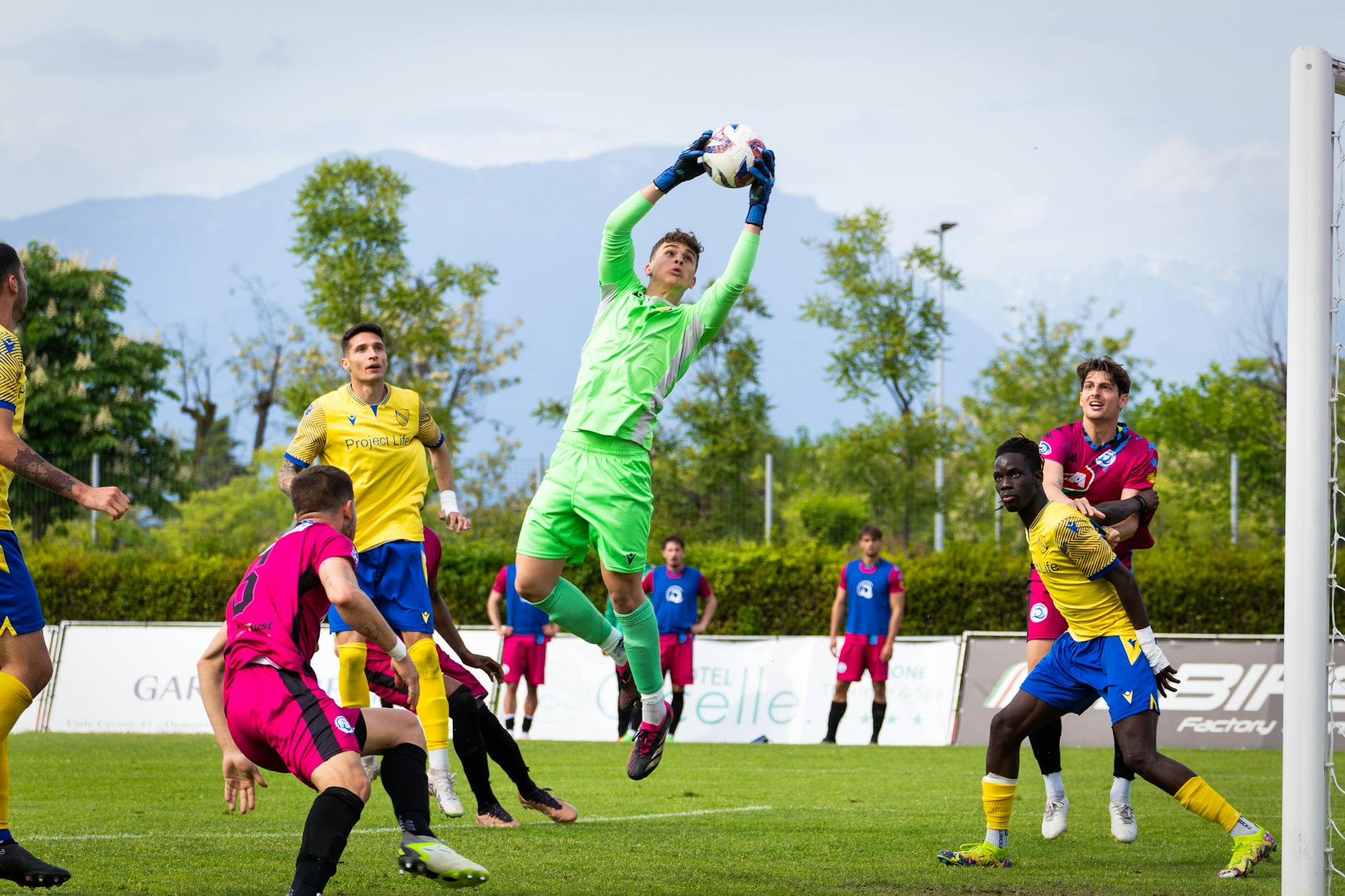
During a tense game, a flock of seagulls swooped in just as the opposing team was about to score. Their sudden appearance distracted the attackers, allowing the goalkeeper to make a crucial save. This incident highlights how nature can intervene in unexpected ways, showcasing the unpredictable nature of sports.
The players were initially taken aback, but they quickly adapted to the situation. The seagulls seemed to have a keen sense of timing, arriving at the perfect moment to thwart the rival team’s efforts. Fans in the stands erupted in cheers, celebrating not just their team’s defense but also the feathered friends who played a part in it.
Interestingly, seagulls are known for their intelligence and adaptability, often thriving in urban environments. Their presence in this match serves as a reminder of how wildlife can intersect with human activities, sometimes in the most unexpected ways. In fact, studies have shown that seagulls can recognize human faces and remember those who feed them, suggesting a level of awareness that goes beyond mere instinct.
Wildlife and Sports: A Unique Intersection 🌍
This incident has sparked a broader conversation about the interaction between wildlife and sports. While it’s not common for animals to influence the outcome of a game, this event serves as a reminder of how nature can surprise us. The presence of seagulls during such a critical moment raises questions about the impact of local wildlife on sporting events.
Moreover, this isn’t the first time animals have made headlines in sports. From cats on the field to dogs interrupting games, these occurrences often lead to memorable moments. For instance, in 2009, a cat famously interrupted a football match in Brazil, leading to a brief pause in play as players and fans alike enjoyed the feline’s antics. The seagulls’ involvement in this match adds a new layer to this ongoing narrative, emphasizing the unpredictability of live sports.
Quick Takeaways 📌
- Seagulls distracted opponents during a critical moment.
- The goalkeeper credited the birds for their timely intervention.
- Fans celebrated the unique occurrence, blending nature with sports.
- The event highlights the adaptability of wildlife in urban settings.
- It encourages appreciation for the natural world amidst competitive sports.
The Bigger Picture 🏟️
As we reflect on this incident, it’s essential to consider the role of wildlife in our daily lives. The seagulls not only contributed to a memorable match but also reminded us of the importance of coexisting with nature. This event could inspire teams and fans alike to appreciate the environment surrounding their favorite sports.
In a world where technology often dominates, moments like these encourage us to look beyond the game and recognize the natural elements that can influence outcomes. It’s a call to embrace the unexpected, whether it’s a seagull swooping in or a sudden change in the weather.
Furthermore, this incident can serve as a catalyst for discussions about environmental conservation. As urban areas expand, wildlife habitats are increasingly encroached upon. Events like this highlight the need for balance between development and the preservation of natural ecosystems.
Cultural Insights 🌐
Globally, the relationship between sports and wildlife varies significantly. In some cultures, animals are revered and seen as symbols of good luck. For example, in parts of India, elephants are celebrated during festivals and are often included in sports events, symbolizing strength and endurance. In contrast, the seagulls in this football match represent a more pragmatic view of wildlife—one that acknowledges their role in urban settings and their occasional interference in human activities.
FAQ ❔
How did the seagulls help the football team?
The seagulls distracted the opposing players at a crucial moment, allowing the goalkeeper to make a vital save. Their unexpected presence created a moment of confusion for the attackers, which the goalkeeper capitalized on.
Is it common for animals to interfere in sports?
While not common, there have been several instances where animals have made their presence felt during games, creating memorable moments for fans. Such occurrences often become part of the lore surrounding the sport, adding an element of unpredictability.
What does this incident say about wildlife and sports?
This event highlights the unpredictable nature of sports and the potential for wildlife to impact games, reminding us of the interconnectedness of our environment and athletic events. It encourages a dialogue about how we can coexist with the wildlife that shares our urban spaces.
Are seagulls known for their intelligence?
Yes, seagulls are known for their intelligence and adaptability. They can recognize human faces and remember those who feed them, showcasing a level of awareness that goes beyond mere instinct. This intelligence may explain their timely intervention during the match.
How can we better coexist with wildlife in urban areas?
To coexist with wildlife, we can create more green spaces, promote awareness about local ecosystems, and implement policies that protect habitats. Encouraging responsible waste management can also reduce the attraction of urban areas to wildlife, leading to a healthier balance.