
Referee Issues 23 Red Cards in Brazilian Football Match Madness
In an unprecedented football match, a referee handed out 23 red cards, surpassing the number of players on the field. Discover the chaos! Discover why it matter
- BackZee
- 5 min read
TL;DR 🚀
Make sure to check our deep dive on why this matters.
- A Brazilian football match saw an astonishing 23 red cards issued.
- The referee’s decision surpassed the total number of players on the field.
- This unprecedented event has sparked debates about sportsmanship and officiating.
- Social media erupted with memes and discussions surrounding the match.
- The incident raises questions about the future of officiating in football.
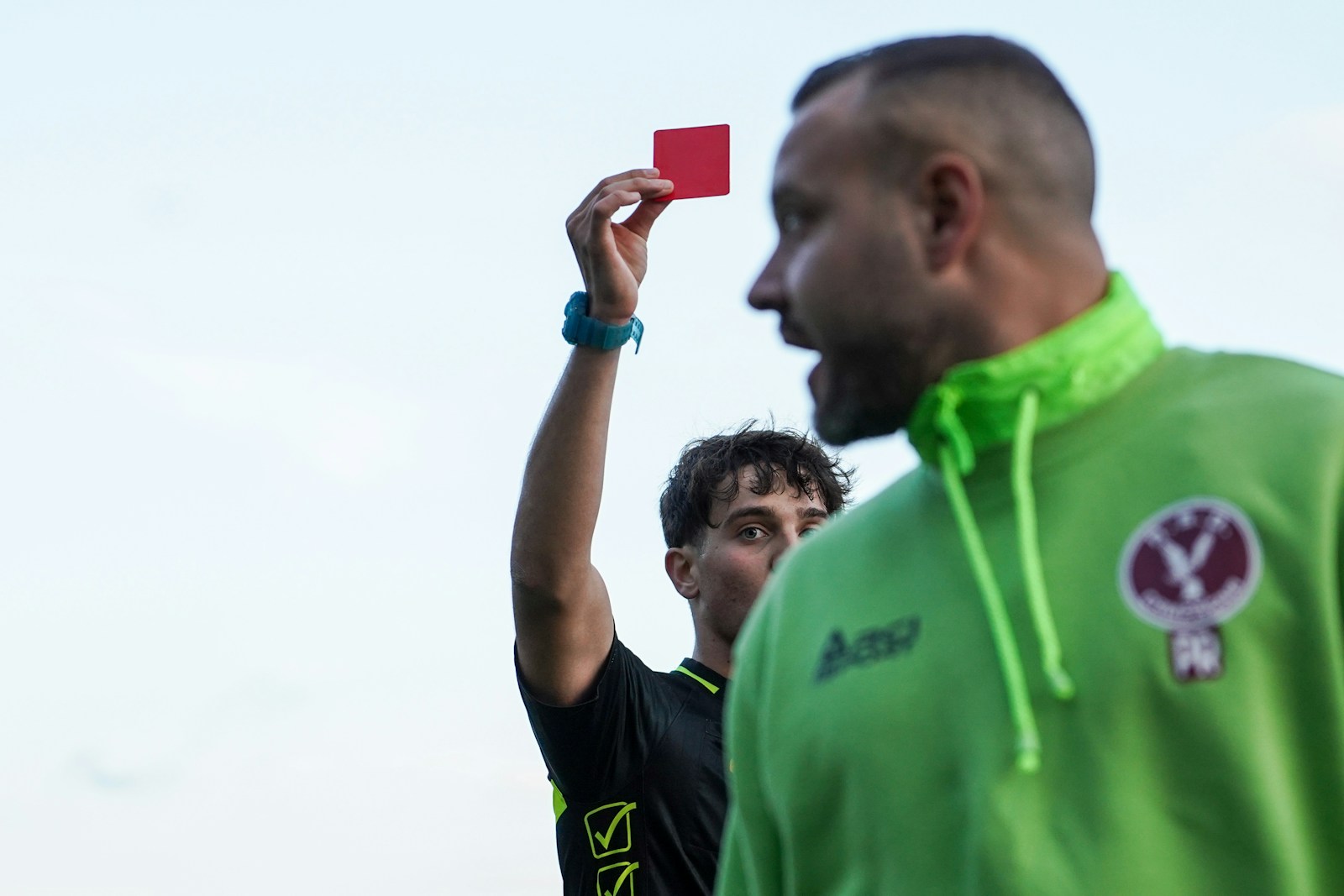
In a jaw-dropping incident that has left the football world buzzing, a match in Brazil turned chaotic when the referee handed out 23 red cards. This unprecedented number not only exceeds the total number of players on the field but has also ignited discussions about the state of officiating in football.
The Match That Shocked Fans ⚽
The match, which took place on March 10, 2026, featured two local teams, Club Atlético Mineiro and Botafogo, both known for their heated rivalry. The stakes were high, with both teams vying for a crucial position in the league standings. As tensions escalated on the pitch, the referee, Carlos Silva, found himself in a position where he felt compelled to take drastic measures.
Players were shown red cards for various offenses, including violent conduct, aggressive tackles, and unsportsmanlike behavior. The match quickly devolved into chaos, with players from both sides engaging in heated confrontations. The referee’s decision to issue 23 red cards not only led to the ejection of nearly all players but also resulted in a bizarre scenario where the match had to continue with only a handful of substitutes and staff on the sidelines.
This bizarre situation has raised eyebrows among fans and analysts alike. Typically, a football match consists of 22 players, but with the number of red cards issued, the match quickly became a spectacle of chaos. The referee’s actions have sparked conversations about the need for better conflict management in sports. In fact, the Brazilian Football Confederation (CBF) is now facing pressure to review officiating protocols and training.
Reactions from Players and Fans 🎉
The reactions to this match have been nothing short of explosive. Players from both teams expressed their disbelief at the referee’s decisions. Some argued that the officiating was overly harsh, while others felt that the players’ behavior warranted such strict measures.
Fans took to social media to voice their opinions, with many sharing memes and videos of the match. The hashtag #RedCardMadness began trending as people from around the globe weighed in on the incident. This event has not only captured the attention of football enthusiasts but has also become a talking point in broader discussions about sportsmanship and the role of referees in maintaining order during matches.
Interestingly, this match has drawn comparisons to other infamous football incidents, such as the Battle of Nuremberg during the 2006 FIFA World Cup, where four red cards were issued, or the infamous 2009 match between Argentina and Chile, which saw a total of 14 cards. However, none have come close to the sheer number seen in this Brazilian match.
Quick Takeaways 📌
- The match featured an unprecedented 23 red cards.
- Players and fans alike were shocked by the referee’s decisions.
- The incident has sparked widespread discussions about officiating in football.
- Social media played a significant role in amplifying reactions and discussions.
- Historical comparisons highlight the rarity of such an event.
The Bigger Picture 🌍
This extraordinary event has opened the door to a larger conversation about the state of football officiating. As the sport continues to evolve, the role of referees becomes increasingly critical. With technology like VAR (Video Assistant Referee) being implemented in many leagues, the question arises: can technology help prevent such chaotic situations?
Moreover, this incident serves as a reminder of the importance of sportsmanship. While competitive spirit is essential in sports, maintaining respect for opponents and officials is equally crucial. The Brazilian match has highlighted the need for players to uphold these values, regardless of the stakes.
Statistics show that incidents of violence and unsportsmanlike conduct have been on the rise in football, prompting leagues worldwide to consider stricter penalties and more comprehensive training for referees. The Brazilian match serves as a stark reminder of what can happen when emotions run high and discipline falters.
FAQ ❔
Why were so many red cards issued in the match?
The referee issued 23 red cards due to escalating tensions and multiple instances of violent conduct and unsportsmanlike behavior among players. The heated rivalry between the teams contributed significantly to the chaos.
How does this incident compare to previous red card records?
This match set a new record for the most red cards issued in a single football match, surpassing previous records significantly. The previous high was 36 yellow cards and 4 red cards in a match in 2013, but this incident has redefined the limits of officiating.
What are the implications for football officiating moving forward?
This event may prompt discussions on improving officiating standards and the potential implementation of technology to assist referees in making fair decisions. It could also lead to a reevaluation of training programs for referees to better handle high-pressure situations.
How have fans and players reacted to the incident?
Reactions have been mixed, with many fans expressing disbelief and outrage on social media. Players have also voiced their opinions, with some defending the referee’s decisions while others criticized the harshness of the penalties.
In conclusion, the Brazilian football match that resulted in 23 red cards is a stark reminder of the fine line between competition and chaos. As the football community reflects on this incident, it will be interesting to see how it influences future matches and the conduct of players on the field. The hope is that this event will serve as a catalyst for positive change in the sport, promoting better behavior and respect for the game.