
IOC Bans Transgender Women from Competing in Women's Events
The IOC has announced a ban on transgender women in women's competitions, sparking debate on inclusivity and fairness in sports. Discover why it matters and wha
- BackZee
- 5 min read
TL;DR 🚀
Make sure to check our deep dive on why this matters.
- The IOC has prohibited transgender women from participating in women’s competitions.
- This decision has ignited discussions on gender identity and fairness in sports.
- Advocates and critics are divided on the implications of this ruling.
- The ruling may influence other sports organizations to adopt similar policies.
- The debate highlights the complexities of inclusivity versus fairness in athletics.
In a significant move, the International Olympic Committee (IOC) has decided to ban transgender women from competing in women’s sports categories. This ruling has stirred a whirlwind of opinions, raising critical questions about inclusivity and the essence of fair competition in athletics. The decision has not only affected the athletes directly involved but has also sparked broader societal discussions about gender identity, rights, and the future of sports.
The Controversial Decision ⚖️
The IOC’s ruling comes amid ongoing debates surrounding gender identity in sports. Critics argue that allowing transgender women to compete in women’s events undermines the level playing field that sports strive to maintain. Supporters of the ban claim it is necessary to protect the integrity of women’s sports, emphasizing that biological differences can provide an unfair advantage.
Historically, the IOC had adopted a more inclusive stance. Their guidelines previously allowed transgender women to compete if they met certain hormone level criteria, specifically maintaining testosterone levels below a defined threshold for a minimum period. However, the latest ruling has shifted the focus entirely, leading to a more restrictive approach that disregards prior guidelines.
Key Points of the Ban:
- Exclusion of Transgender Women: The IOC has made it clear that transgender women will no longer be eligible to compete in women’s categories, effectively reversing previous policies.
- Focus on Biological Factors: The ruling underscores the importance of biological sex in determining eligibility for women’s sports, raising questions about the criteria used to define “fairness.”
- Impact on Future Policies: This decision may influence other sports organizations to adopt similar stances, potentially reshaping the landscape of competitive sports and leading to more stringent regulations.
Reactions from the Community 🌍
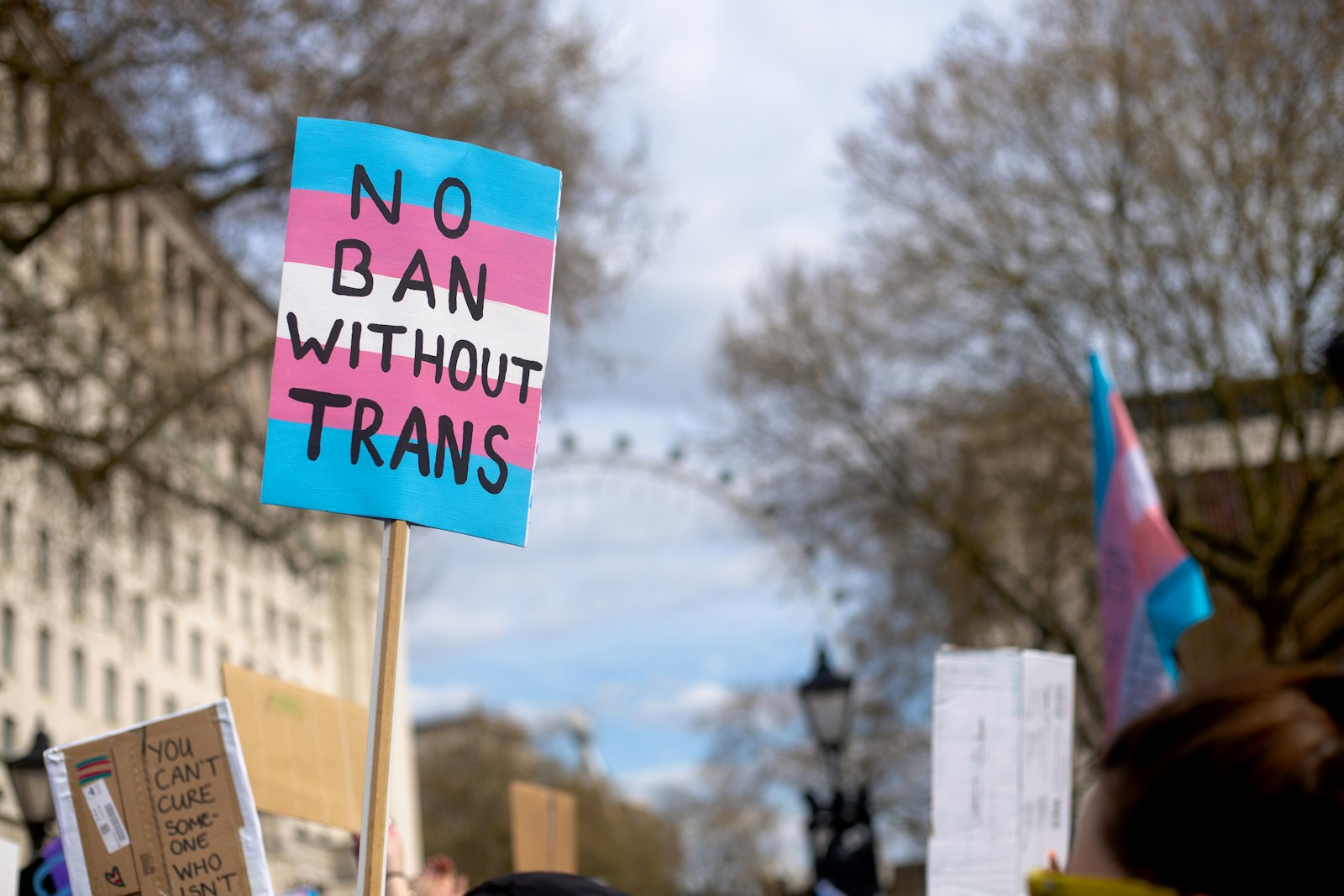
The announcement has sparked a range of reactions from athletes, advocates, and organizations. Many athletes have expressed their disappointment, arguing that the decision is a step backward for inclusivity in sports. They believe that sports should be a space where everyone, regardless of gender identity, can compete. For instance, prominent athletes like [insert athlete names] have voiced their concerns, emphasizing the importance of diversity and representation in athletics.
On the other hand, some organizations and individuals have praised the IOC for prioritizing fairness. They argue that the physical advantages that some transgender women may have could compromise the competitive nature of women’s sports. For example, studies have shown that testosterone contributes to muscle mass and strength, which can create disparities in performance levels. This ongoing debate is likely to continue as more stakeholders weigh in on the implications of the IOC’s decision.
Cultural Insights
The decision has also highlighted cultural differences in how gender identity and sports are perceived globally. In some cultures, the acceptance of transgender athletes is more advanced, while in others, traditional views on gender roles prevail. Countries like Canada and New Zealand have made significant strides in inclusivity, while others lag behind. This disparity raises questions about how international sports bodies like the IOC can create policies that are fair and inclusive across diverse cultural landscapes.
Quick Takeaways 📌
- The IOC’s ban on transgender women has reignited discussions on gender and sports.
- Many athletes feel excluded and are advocating for more inclusive policies.
- The ruling may lead to changes in how other sports organizations approach transgender participation.
- The decision reflects broader societal debates about gender identity and fairness.
- Cultural differences play a significant role in shaping perceptions of this issue.
FAQ ❔
What prompted the IOC to ban transgender women from women’s competitions?
The IOC’s decision was influenced by ongoing debates about fairness and the biological differences that may affect competition in women’s sports. They aimed to ensure a level playing field for all athletes, reflecting concerns raised by various stakeholders in the sports community.
How do athletes feel about this ruling?
Reactions among athletes are mixed. Many are disappointed and feel that this decision undermines inclusivity, while others support the ban, believing it protects the integrity of women’s sports. The division among athletes underscores the complexity of the issue and the need for a nuanced approach.
What are the potential long-term effects of this decision?
The IOC’s ruling may set a precedent for other sports organizations, potentially leading to more restrictive policies regarding transgender athletes. This could significantly impact the future of competitive sports and inclusivity efforts, as well as influence public perception and acceptance of transgender individuals in athletics.
How might this decision affect future Olympic events?
As the IOC implements this ban, it could lead to a decrease in participation from transgender athletes in future Olympic events. This may also affect the overall diversity of the Games, as fewer athletes from various backgrounds may feel welcome or represented.
What are some examples of sports organizations that have adopted inclusive policies?
Several sports organizations have embraced more inclusive policies, such as World Rugby and the NCAA, which have allowed transgender athletes to compete under specific conditions. These examples highlight the ongoing evolution of policies in response to societal changes and the need for fairness and inclusivity.
As the conversation around this topic evolves, it’s clear that the intersection of gender identity and sports will remain a hot-button issue. The IOC’s decision marks a pivotal moment in the ongoing struggle for equality and fairness in athletics, and the implications of this ruling will likely resonate for years to come. The challenge remains to find a balance that respects both inclusivity and fairness, a task that will require ongoing dialogue and collaboration among all stakeholders in the sports community.