
Epic Reindeer Sled Race Kicks Off in Chukotka
The longest reindeer sled race in Chukotka has begun, showcasing tradition and endurance in a thrilling competition. Discover why it matters and what happens ne
- BackZee
- 5 min read
TL;DR 🚀
Make sure to check our deep dive on why this matters.
- The longest reindeer sled race in Chukotka has officially started.
- Participants showcase their skills and endurance in this traditional event.
- The race highlights the cultural significance of reindeer herding in the region.
- Harsh weather conditions add an extra layer of challenge for competitors.
- The event fosters community spirit and cultural pride among participants.
The Chukotka region has kicked off its longest reindeer sled race, a thrilling event that combines tradition with competitive spirit. This race not only tests the skills of the participants but also celebrates the rich cultural heritage of the indigenous peoples of Chukotka. As the race unfolds, it serves as a reminder of the resilience and adaptability of the local communities in the face of harsh Arctic conditions.
A Tradition in Motion 🦌
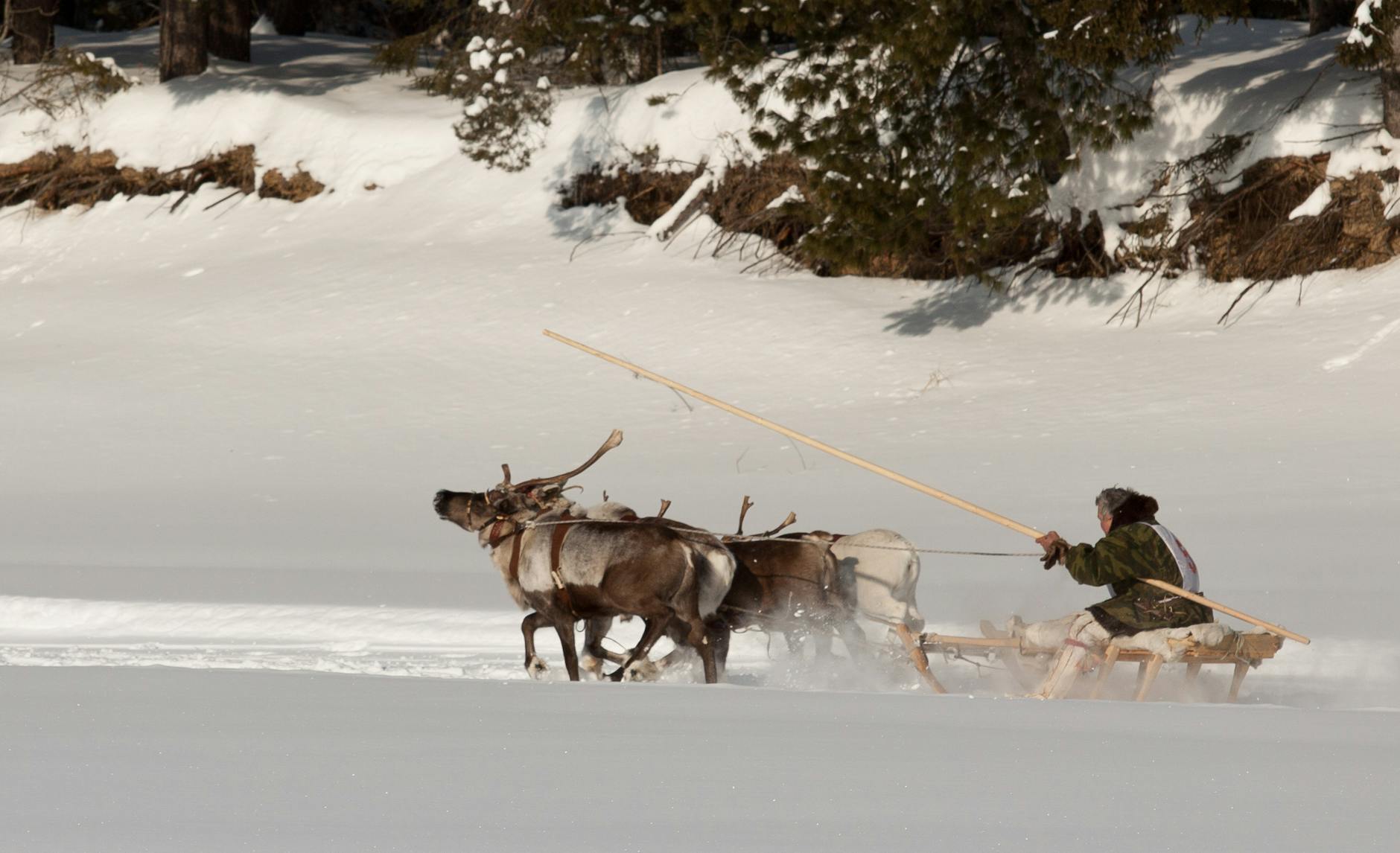
This year’s race is particularly special as it emphasizes the importance of reindeer herding in the local culture. Competitors from various communities, including the Chukchi and Yupik peoples, have gathered to showcase their expertise in navigating the snowy terrain. The event serves as a platform for both seasoned racers and newcomers to demonstrate their abilities and connect with their roots.
Reindeer herding is not just a livelihood; it is a way of life that has sustained these communities for centuries. The relationship between the herders and their reindeer is deeply intertwined with their identity, spirituality, and survival. The race spans a significant distance, often exceeding 100 kilometers, challenging participants to push their limits. Endurance and teamwork are crucial, as each sled is pulled by a team of reindeer, and the bond between the musher and their animals is vital for success.
The atmosphere is electric, filled with excitement and anticipation as spectators cheer on their favorites. Local vendors set up stalls offering traditional foods like reindeer jerky and smoked fish, creating a festive environment that draws in families and tourists alike. This year, organizers expect over 500 spectators, highlighting the event’s growing popularity and cultural significance.
The Race Begins! 🏁
As the race commenced, the participants faced harsh weather conditions, typical of Chukotka’s climate. Temperatures can plummet to -30 degrees Celsius, and blizzards are not uncommon. The competitors are not just racing against each other but also battling the elements. Preparation and strategy play a key role in navigating the challenging course, which includes various terrains such as ice-covered lakes and snow-laden forests.
The significance of this event goes beyond the competition itself. It serves as a reminder of the cultural practices that have been passed down through generations. Many participants view this race as a way to honor their ancestors and keep the tradition alive. For more insights into the cultural aspects of reindeer herding, check out our article on /posts/reindeer-herding-culture.
Moreover, the race fosters a sense of community and camaraderie among participants. Many mushers train together in the months leading up to the event, sharing tips and techniques. This collaborative spirit is essential in a region where survival often depends on cooperation and mutual support.
Quick Takeaways 📌
- The race showcases the skills of local mushers and their reindeer.
- It emphasizes the cultural heritage of Chukotka’s indigenous peoples.
- Participants face both competition and challenging weather conditions.
- The event has become a community celebration, attracting locals and tourists alike.
- Traditional foods and cultural displays enhance the festive atmosphere.
FAQ ❔
What is the significance of reindeer sled racing in Chukotka?
Reindeer sled racing is a vital part of Chukotka’s cultural heritage, reflecting the traditional practices of the indigenous peoples. It celebrates the bond between humans and reindeer, showcasing skills that have been honed over generations. The race also serves as a platform for cultural exchange and community building.
How long is the race?
The race is the longest of its kind in Chukotka, covering a significant distance that tests the endurance of both the mushers and their reindeer. This year, the race spans approximately 120 kilometers, making it a true test of skill and stamina.
Who can participate in the race?
The race is open to participants from various communities, allowing both experienced racers and newcomers to take part in this traditional event. It fosters a sense of community and cultural pride among the participants, encouraging younger generations to engage with their heritage.
What preparations do participants undertake before the race?
Participants typically spend months training their reindeer and honing their skills. This includes conditioning the animals for the cold and the distance, as well as practicing navigation techniques in snowy conditions. Many mushers also prepare their sleds meticulously, ensuring they are equipped to handle the challenging terrain.
How does the race impact the local community?
The race brings together families, friends, and visitors, fostering a sense of unity and celebration. It boosts local economies as vendors sell traditional foods and crafts, and it raises awareness of the cultural significance of reindeer herding. Additionally, it encourages the preservation of traditional practices and strengthens community ties.
This year’s reindeer sled race in Chukotka is not just a competition; it’s a celebration of resilience, tradition, and community spirit. As the mushers navigate the snowy landscapes, they carry with them the rich history and culture of their people, making this event a truly unique experience. The race stands as a testament to the enduring legacy of the indigenous peoples of Chukotka, ensuring that their traditions continue to thrive in the modern world.