
Historic Zaanse Schans Village in Netherlands to Charge Tourists
Zaanse Schans, a historic village in the Netherlands, will soon implement a fee for tourists, changing the way visitors experience this iconic site.
- BackZee
- 5 min read
TL;DR 🚀
Make sure to check our deep dive on why this matters.
- Zaanse Schans will introduce an entry fee for tourists.
- The fee aims to manage visitor numbers and preserve the site.
- This change reflects a growing trend in popular tourist destinations.
- Funds from the fee will support maintenance and conservation efforts.
- Fewer tourists may lead to a more enriching experience for visitors.
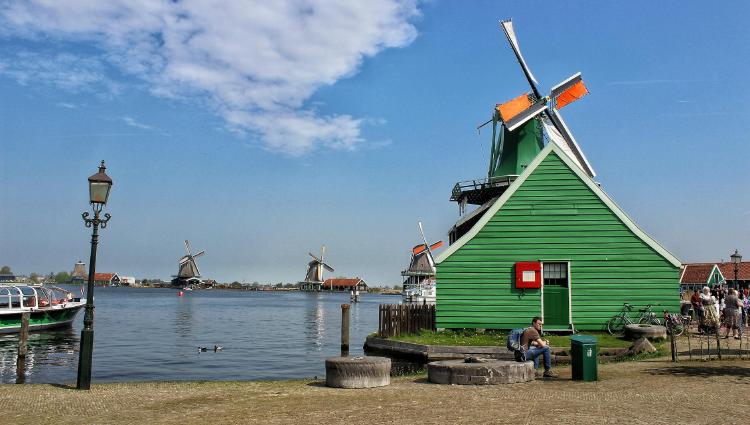
Zaanse Schans, a charming historic village in the Netherlands, is set to implement an entry fee for tourists. This decision marks a significant shift in how visitors will experience this iconic destination, known for its traditional windmills and picturesque landscapes. The village, which attracts over 1.5 million visitors annually, is a living testament to Dutch culture and heritage, showcasing the country’s historical architecture and craftsmanship.
A New Era for Zaanse Schans 🌍
Starting in 2025, tourists will need to pay to enter Zaanse Schans, a move that has sparked discussions among locals and visitors alike. This fee is not just about revenue; it’s a strategic effort to manage the increasing number of tourists flocking to the village each year. Zaanse Schans has become a popular spot for those looking to immerse themselves in Dutch culture, but the surge in visitors has raised concerns about the preservation of its historical sites.
The introduction of an entry fee is part of a broader trend seen in many tourist hotspots around the globe. Cities and attractions are increasingly turning to fees as a way to balance tourism with sustainability. For instance, places like Venice and Barcelona have implemented similar measures to combat overcrowding and protect their cultural heritage. The funds generated from this initiative will likely be used for maintenance and conservation efforts, ensuring that Zaanse Schans remains a vibrant part of Dutch heritage.
Why the Change? 💡
The decision to charge for entry stems from a desire to protect the village’s unique character. With its iconic windmills, traditional wooden houses, and artisan workshops, Zaanse Schans is a living museum that showcases the Netherlands’ rich history. However, the overcrowding issue has prompted local officials to rethink how they manage this influx of visitors. In recent years, the village has seen a 30% increase in tourist numbers, leading to concerns about wear and tear on its historical structures.
By implementing a fee, Zaanse Schans aims to limit the number of tourists, allowing for a more enjoyable experience for those who do visit. This approach not only helps preserve the site but also enhances the overall quality of the visitor experience. As more destinations adopt similar measures, it raises questions about the future of tourism and how we can enjoy these cultural treasures responsibly.
Quick Takeaways 📌
- Zaanse Schans will charge an entry fee starting in 2025.
- The fee aims to control visitor numbers and protect the site.
- Similar measures are being adopted in other tourist destinations worldwide.
- The initiative is expected to enhance the visitor experience.
- Funds will be reinvested into the village for maintenance and conservation.
The Impact on Tourism 🌐
While some may view the entry fee as a deterrent, it could also enhance the experience for those willing to pay. Fewer tourists could mean less congestion, allowing visitors to explore the village at a more leisurely pace. This could lead to a deeper appreciation of the culture and history that Zaanse Schans has to offer. For example, visitors may find it easier to engage with local artisans, who create traditional Dutch crafts such as clogs and cheese, without the overwhelming crowds.
Moreover, the funds collected from the entry fees can be reinvested into the village, improving facilities and ensuring that the historical aspects are well-maintained. This model has been successful in other locations, where the balance between tourism and preservation has been achieved through similar strategies. For instance, the city of Amsterdam has seen positive results from its tourism management policies, which include fees for certain attractions and a focus on sustainable tourism practices. For more insights on tourism trends, check out our post on /posts/tourism-sustainability/.
Cultural Insights 🌍
Zaanse Schans is not just a tourist destination; it is a cultural hub that embodies the spirit of the Netherlands. The village is home to several working windmills, including the De Kat, which produces dye, and the Zaanse Schans sawmill, which showcases traditional woodworking techniques. These windmills are not merely relics of the past; they are integral to the local economy and culture, providing insights into the Dutch way of life.
Furthermore, the village hosts various events throughout the year, such as traditional Dutch festivals and markets, which celebrate local customs and cuisine. The introduction of an entry fee could also allow for better organization and promotion of these events, enhancing the overall cultural experience for visitors.
FAQ ❔
What will the entry fee be for Zaanse Schans?
The exact amount for the entry fee has not yet been announced, but it is expected to be reasonable to ensure accessibility for most visitors. Authorities are considering a fee structure that accommodates families and groups.
How will the funds from the entry fee be used?
Funds generated from the entry fee will likely be allocated towards maintenance, conservation efforts, and enhancing visitor facilities within Zaanse Schans. This includes restoring historical buildings, improving signage, and providing educational programs about Dutch culture.
Will locals have to pay the entry fee?
There may be exemptions or reduced fees for local residents, but specific details have yet to be confirmed by the local authorities. Engaging the local community in these discussions is crucial to ensure that their voices are heard.
How can visitors prepare for the new fee?
Visitors are encouraged to stay informed about the fee structure and plan their visits accordingly. Engaging with local tourism boards and websites will provide updates on the fee and any special events or discounts available.
As Zaanse Schans prepares for this new chapter, it highlights the ongoing conversation about the future of tourism and how we can all contribute to preserving our cultural heritage. By embracing these changes, we can enjoy the beauty of places like Zaanse Schans while ensuring they remain intact for future generations.