
Welding Takes the Crown: Russia's Highest-Paying Job Revealed
In January 2026, welding emerged as Russia's top-paying job, with a median salary of 267,300 rubles per month. Discover the details. Discover why it matters and
- BackZee
- 5 min read
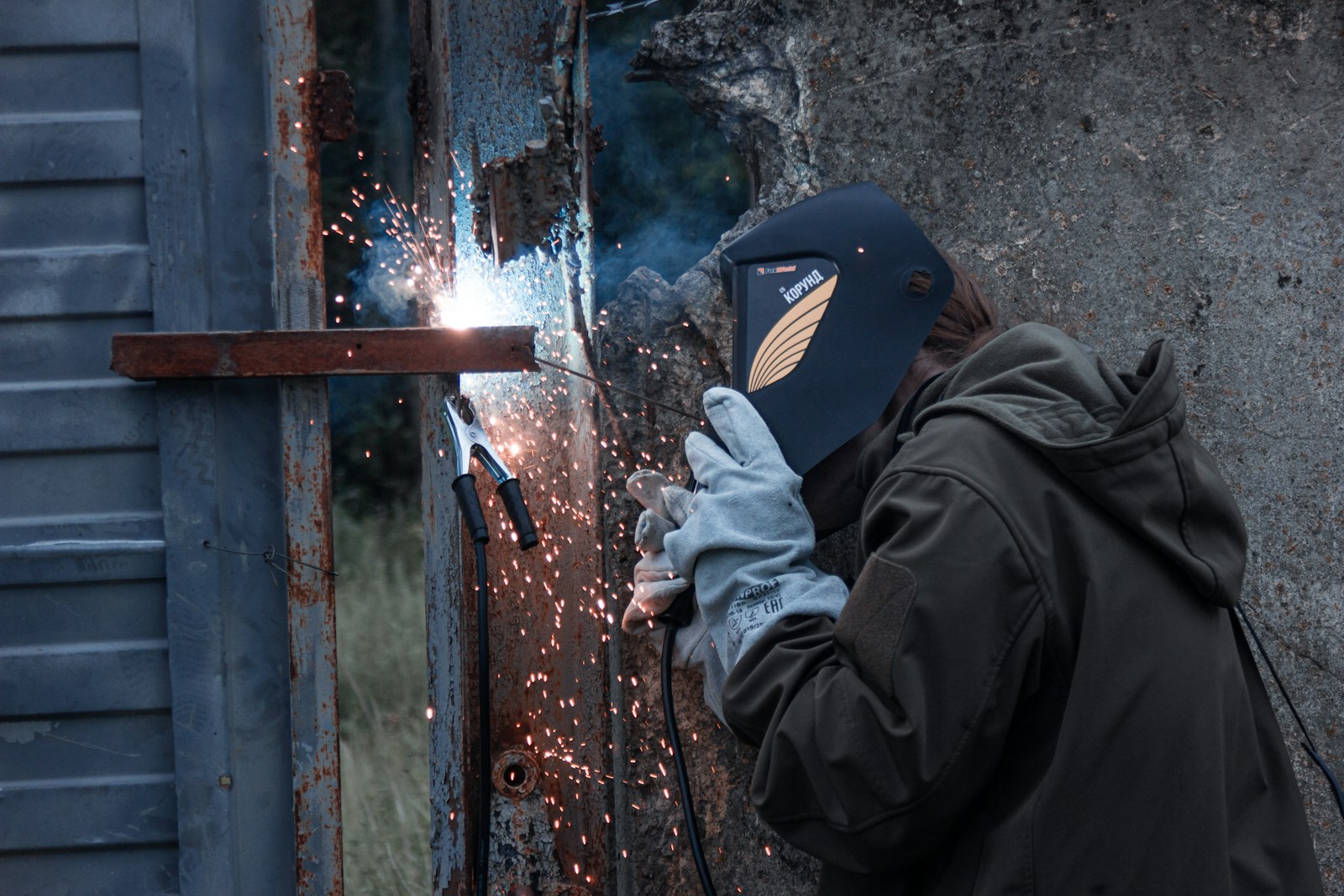
TL;DR 🚀
Make sure to check our deep dive on why this matters.
- Welding has become Russia’s highest-paying job as of January 2026.
- The median salary for welders is 267,300 rubles per month.
- This trend highlights a growing demand for skilled trades in the labor market.
- The cultural perception of manual labor is shifting positively.
- Other skilled trades may also see salary increases as industries invest in technical skills.
In an unexpected twist, welding has emerged as the highest-paying job in Russia for January 2026, with welders earning a median salary of 267,300 rubles monthly. This revelation, reported by РИА «Новости» and based on data from hh.ru, underscores the increasing value placed on skilled trades in the current job market. The rise of welding as a lucrative career option reflects broader economic trends and cultural shifts within Russian society.
The Rise of Welding in Russia 🔥
The welding profession has seen a significant surge in demand, leading to its newfound status as the top-paying job. Skilled welders are now highly sought after, reflecting a broader trend of industries prioritizing technical expertise. According to recent statistics, the demand for welders has increased by over 30% in the past year alone, driven by a resurgence in construction and manufacturing sectors.
This shift is not just about higher wages; it also signifies a cultural change in how society views manual labor. Traditionally, jobs in trades like welding were often overlooked, but now they are recognized for their critical role in the economy. The median salary of 267,300 rubles per month is a testament to this evolving perspective, making welding an attractive career option for many.
Moreover, the Russian government has initiated several programs aimed at promoting vocational training, which has further elevated the status of skilled trades. These programs are designed to attract younger generations to pursue careers in fields that are essential for national development, thereby reshaping the workforce landscape.
Why the Surge in Salaries? 📈
Several factors contribute to the rising salaries for welders in Russia. First, the industrial sector is experiencing a revival, with increased investments in infrastructure and manufacturing. The Russian government has allocated over 1 trillion rubles for infrastructure projects over the next five years, creating a substantial need for skilled labor.
Moreover, the shortage of qualified workers in the trades has pushed companies to offer more attractive compensation packages. As businesses compete for talent, they are willing to pay top dollar for skilled welders who can deliver quality work. This trend is likely to continue as the demand for welding services remains strong.
Additionally, the rise of advanced technologies in welding, such as robotic welding and automation, has created a need for welders who are not only skilled in traditional techniques but also adept at operating sophisticated machinery. This dual skill set further enhances the value of welders in the job market.
Quick Takeaways 📌
- Welding is now the highest-paying job in Russia.
- Median monthly salary for welders is 267,300 rubles.
- Increased demand for skilled trades is driving salary growth.
- Government initiatives are promoting vocational training in skilled trades.
- Advanced technologies are reshaping the welding profession.
The Future of Skilled Trades in Russia 🌍
As welding takes center stage, other skilled trades may also see a rise in salaries. The emphasis on technical skills is becoming more pronounced, and industries are beginning to invest more in training and development. This shift could lead to a more robust labor market where skilled workers are valued and compensated accordingly.
For those considering a career in welding, now is an opportune time. With the right training and certification, individuals can tap into a lucrative job market that promises both financial stability and job security. The average age of welders in Russia is currently around 45 years, indicating that there is a significant opportunity for younger workers to enter the field and fill the impending gap as older welders retire.
The trend of high salaries in skilled trades is not just limited to welding. Other professions, such as electricians and plumbers, may also experience similar growth as industries recognize the importance of skilled labor. For more insights on job trends, check out our post on /posts/job-market-trends.
FAQ ❔
What qualifications do I need to become a welder in Russia?
To become a welder, you typically need to complete a vocational training program and obtain relevant certifications. Many employers also prefer candidates with hands-on experience. Programs can last from six months to two years, depending on the level of expertise sought.
Are welding jobs in high demand across all regions of Russia?
While demand for welders is increasing nationwide, urban areas with booming industries tend to have higher demand compared to rural regions. Cities like Moscow and St. Petersburg are at the forefront, but regions with active construction projects are also seeing a rise in opportunities.
How does welding pay compare to other trades?
Welding currently offers some of the highest salaries among trades, but pay can vary significantly based on experience, location, and industry. Other trades like plumbing and electrical work also offer competitive salaries but may not match welding’s current peak. For instance, electricians earn an average of 200,000 rubles per month, while plumbers earn around 180,000 rubles.
What are the working conditions like for welders?
Welders typically work in various environments, including factories, construction sites, and shipyards. While the work can be physically demanding and may involve exposure to hazardous materials, safety regulations and protective gear are in place to minimize risks.
Is welding a sustainable career choice?
Yes, welding is considered a sustainable career choice due to the ongoing demand for skilled labor in various industries, including construction, manufacturing, and energy. As infrastructure projects continue to grow, the need for welders is expected to remain strong for the foreseeable future.