
Mystery Theft: Water Tower Stolen from Poleno Estate in Tula
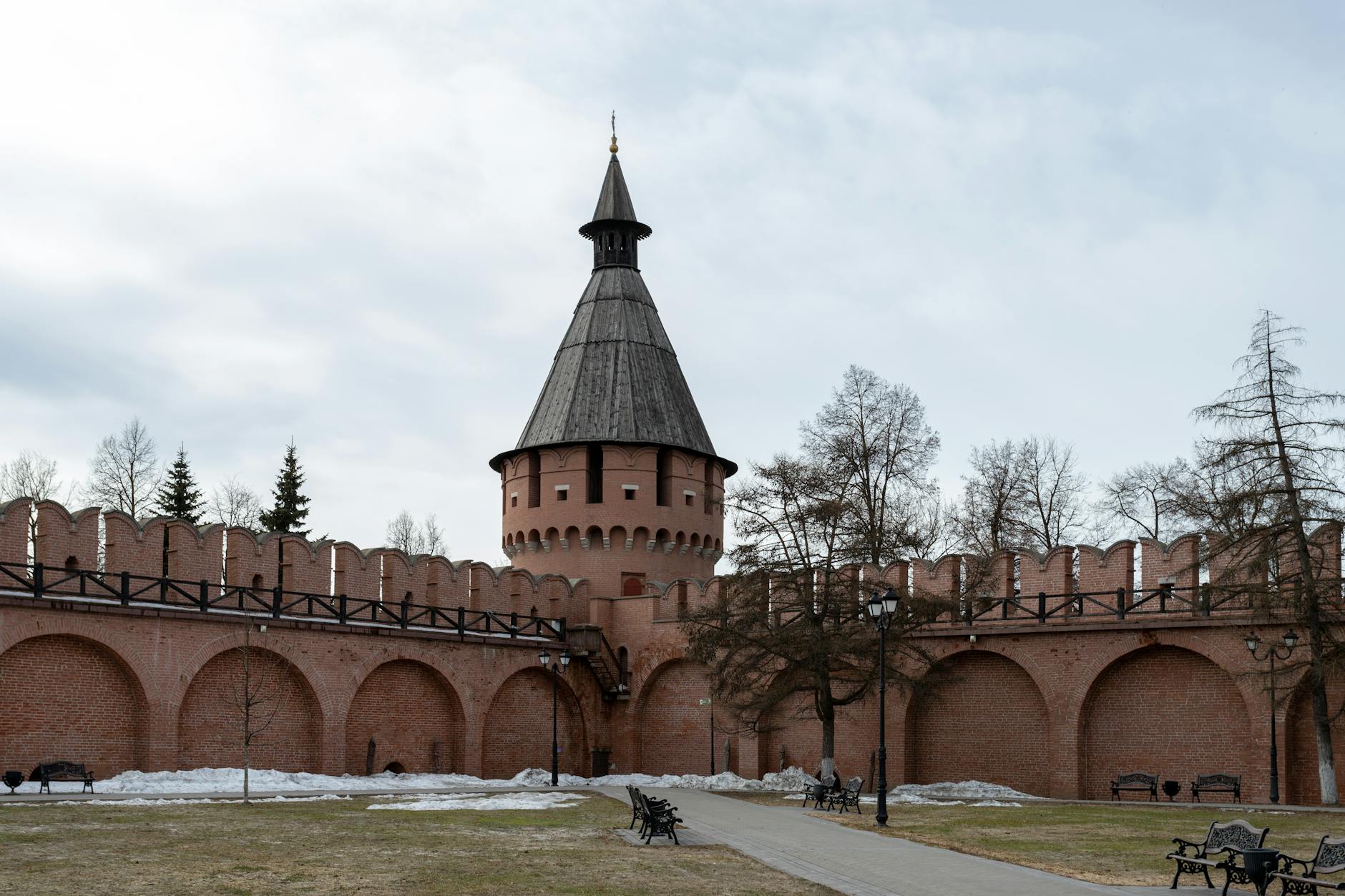
A water tower has been stolen from the Poleno estate in Tula, prompting an investigation. Details on the theft remain unclear as authorities act.
- BackZee
- 4 min read
TL;DR 🚀
Make sure to check our deep dive on why this matters.
- A water tower was stolen from the Poleno estate in Tula.
- Authorities have launched a criminal investigation into the incident.
- Details surrounding the theft remain unclear as investigations continue.
- The theft raises significant concerns about the security of cultural heritage sites.
- Community engagement is crucial for the protection of historical artifacts.
In a bizarre turn of events, a water tower has vanished from the historic Poleno estate in Tula, Russia. This theft has sparked a criminal investigation, with local authorities scrambling to uncover the details of how such a significant piece of property could be stolen from a museum dedicated to the renowned artist Vasily Poleno. The incident has not only shocked the local community but has also raised broader questions about the security and preservation of cultural heritage across the region.
The Theft Unfolds 🕵️♂️
The Tula region’s investigative committee has confirmed that a criminal case has been opened regarding the theft of the water tower. While the specifics of the theft are still murky, it has been reported that the authorities are conducting searches and interrogations as part of their inquiry.
The Poleno estate, established in the late 19th century, is not just a museum but a cultural landmark that showcases the life and works of Vasily Poleno, a pivotal figure in Russian art. The estate itself is a beautiful example of Russian architecture, surrounded by lush gardens and historical artifacts that reflect the rich artistic heritage of Tula. The loss of any part of it is a significant blow to local history and cultural identity.
- Investigation underway: Authorities are actively pursuing leads.
- Cultural impact: The estate is a key part of Tula’s artistic legacy.
- Security concerns: The theft highlights potential vulnerabilities in heritage sites.
What’s Next for the Investigation? 🔍
As the investigation unfolds, the focus will be on determining how the theft occurred without detection. The Poleno estate is a site of cultural importance, and the loss of the water tower raises concerns about the protection of such historical artifacts.
Authorities have not disclosed how the thieves managed to execute this operation, but the ongoing searches and interrogations indicate that they are taking the matter seriously. The investigation may also involve examining surveillance footage, interviewing staff and visitors, and analyzing any potential insider knowledge that could have facilitated the theft.
Community Response and Cultural Impact
The theft has ignited a wave of concern among local residents and art enthusiasts alike. Many are questioning the effectiveness of security measures at the estate, which is expected to safeguard its valuable collections. The incident has prompted discussions about the need for enhanced security protocols not only at the Poleno estate but also at other cultural institutions across Russia.
In recent years, there has been a noticeable uptick in thefts of cultural artifacts worldwide, with estimates suggesting that the illegal art market generates billions of dollars annually. This highlights the urgent need for museums and heritage sites to adopt more robust security measures, including advanced surveillance systems and community involvement in monitoring and protecting these treasures.
Quick Takeaways 📌
- The theft of the water tower has shocked the local community.
- Investigators are looking into security lapses at the estate.
- The incident could lead to broader discussions about heritage protection.
- Community engagement is essential for safeguarding cultural sites.
- The case may prompt legislative changes regarding the protection of cultural heritage.
FAQ ❔
What is the significance of the Poleno estate?
The Poleno estate is a museum dedicated to the artist Vasily Poleno, showcasing his work and the cultural heritage of the region. It is a vital part of Tula’s artistic history, housing numerous paintings, sculptures, and personal artifacts that reflect the life and times of Poleno.
How did the authorities respond to the theft?
Local authorities have initiated a criminal investigation, conducting searches and interrogations to gather information about the theft and identify the perpetrators. They are also collaborating with cultural heritage experts to assess the impact of the theft on the estate’s collections.
What can be done to protect cultural heritage sites?
Enhancing security measures, increasing surveillance, and community engagement are essential steps to protect cultural heritage sites from theft and vandalism. Additionally, raising public awareness about the importance of preserving cultural artifacts can foster a sense of ownership and responsibility within the community.
Are there any precedents for similar thefts in Russia?
Yes, Russia has witnessed several high-profile thefts of cultural artifacts in recent years. For instance, in 2018, a series of art thefts occurred in various museums across the country, leading to increased scrutiny of security protocols. These incidents underscore the ongoing challenges faced by cultural institutions in safeguarding their collections.
The theft of the water tower from the Poleno estate serves as a stark reminder of the vulnerabilities faced by cultural institutions. As investigations continue, the hope is that this incident will lead to stronger protections for our shared heritage, ensuring that future generations can appreciate and learn from the rich history encapsulated within these walls.