
Unlocking Kundalini Yoga: A Path to Inner Energy and Harmony
Discover the transformative power of Kundalini yoga and how it can enhance your mental health and spiritual well-being. Discover why it matters for Gen-Z reader
- BackZee
- 4 min read
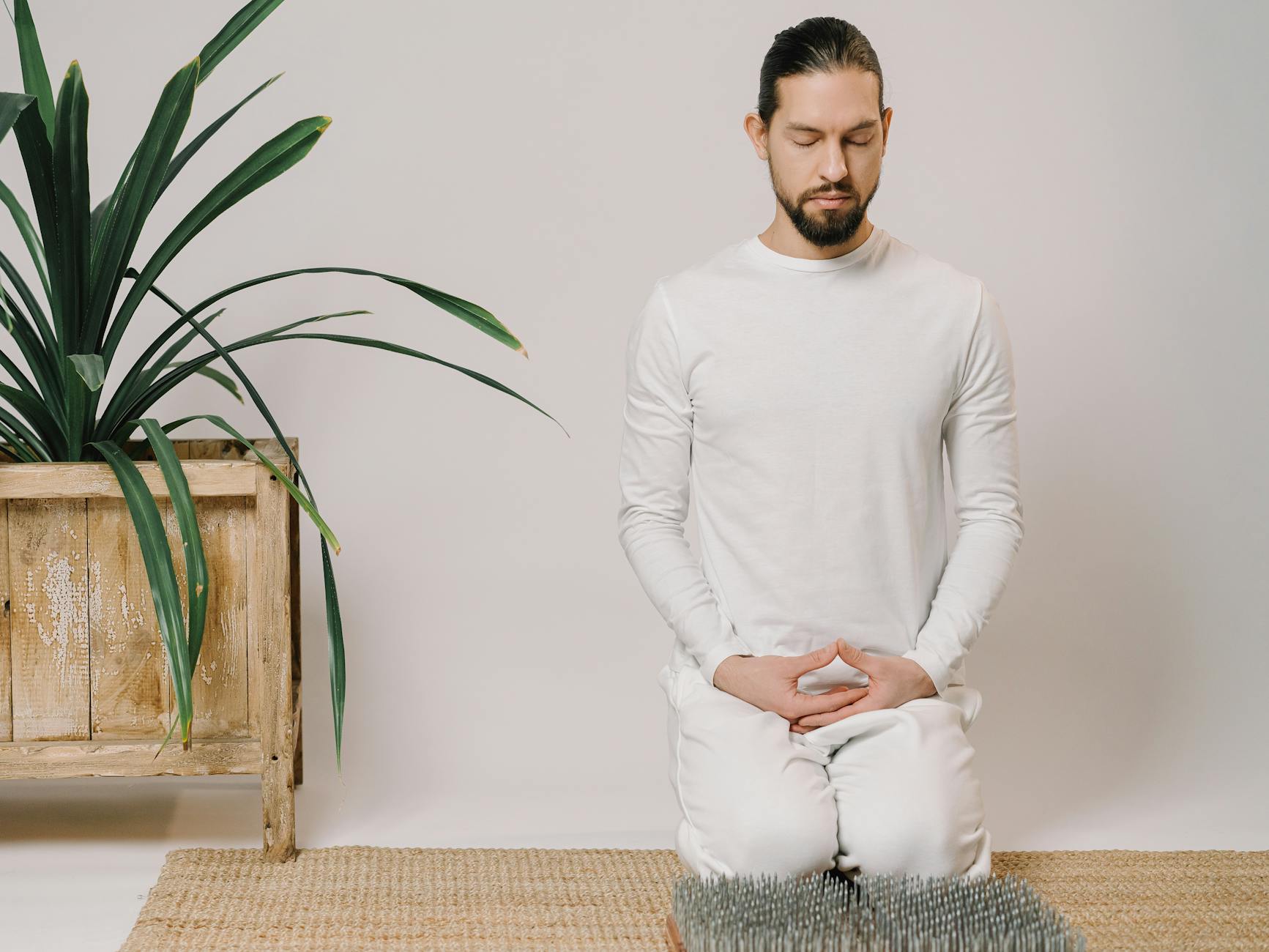
TL;DR 🚀
- Kundalini yoga focuses on awakening inner energy for spiritual growth.
- It combines physical postures, breathing techniques, and meditation.
- Practicing Kundalini can help reduce stress and improve mental health.
- The practice is accessible to all levels, including beginners.
- Regular practice can lead to profound personal transformation.
Kundalini yoga is more than just a workout; it’s a holistic practice that aims to awaken the dormant energy within us. This ancient form of yoga, which originated in India, combines physical movement, breath control, and meditation to help practitioners achieve a deeper connection with their inner selves.
What is Kundalini Yoga? 🧘♀️
Kundalini yoga is often referred to as the “yoga of awareness.” Its primary goal is to ignite the Kundalini energy, which is believed to be coiled at the base of the spine. This energy, often described as a serpent, represents our life force. When awakened, it travels up the spine through various energy channels known as nadis, leading to heightened consciousness and spiritual enlightenment.
The term “Kundalini” translates from Sanskrit to “coiled snake,” symbolizing the potential energy that lies within each individual. According to ancient Indian sages, this energy is wrapped in three and a half coils at the base of the spine. Through dedicated practice, individuals can awaken this energy, leading to profound personal transformation.
Modern interpretations of Kundalini yoga were popularized by Yogi Bhajan in the late 1960s, who introduced its teachings to the Western world. His approach emphasized the importance of meditation, chanting, and physical exercises, making it accessible to a broader audience. Yogi Bhajan’s teachings have since inspired a global community, with thousands of practitioners participating in classes and workshops worldwide.
The Benefits of Practicing Kundalini Yoga 🌟
Engaging in Kundalini yoga offers a myriad of benefits that extend beyond physical fitness. Here are some of the key advantages:
-
Stress Reduction: The combination of breathwork and meditation helps alleviate anxiety and promotes relaxation. Studies have shown that regular yoga practice can lower cortisol levels, the hormone associated with stress.
-
Enhanced Mental Clarity: Regular practice can improve focus and cognitive function, making it easier to navigate daily challenges. Research indicates that mindfulness practices, including yoga, can enhance attention and working memory.
-
Emotional Balance: Kundalini yoga encourages self-awareness, allowing practitioners to process emotions more effectively. This emotional intelligence can lead to healthier relationships and improved communication skills.
-
Physical Health: Beyond mental and emotional benefits, Kundalini yoga can improve physical health by increasing flexibility, strength, and overall vitality. Many practitioners report enhanced energy levels and better sleep quality.
Incorporating Kundalini yoga into your routine can lead to a more balanced and harmonious life. For more insights on how yoga can enhance your well-being, check out our post on yoga and mental health.
Quick Takeaways 📌
- Kundalini yoga is rooted in ancient Indian traditions.
- It aims to awaken dormant energy for spiritual growth.
- Regular practice can lead to improved mental health and emotional stability.
- The practice is suitable for all levels, making it inclusive and accessible.
- Engaging in Kundalini yoga can foster a deeper connection with oneself and the universe.
FAQ ❔
What should I expect in a Kundalini yoga class?
In a typical class, you can expect a blend of physical postures, breathwork, and meditation. The sessions often include chanting and the use of mantras to enhance the experience. Classes may vary in intensity, but they generally focus on creating a safe space for personal exploration and growth.
Is Kundalini yoga suitable for beginners?
Absolutely! Kundalini yoga is designed to be inclusive, making it accessible to practitioners of all levels. Beginners can start with simple exercises and gradually progress as they become more comfortable. Many studios offer introductory classes specifically tailored for newcomers.
How often should I practice Kundalini yoga?
For optimal benefits, it’s recommended to practice at least two to three times a week. However, even a short daily session can yield positive results and help you connect with your inner self. Consistency is key in experiencing the transformative effects of this practice.
Can Kundalini yoga help with specific mental health issues?
Yes, many practitioners have reported improvements in conditions such as anxiety, depression, and PTSD through regular practice. The combination of movement, breath, and meditation can create a powerful therapeutic effect, promoting emotional healing and resilience.
Are there any precautions I should take?
While Kundalini yoga is generally safe, individuals with certain medical conditions or those who are pregnant should consult a healthcare professional before starting. It’s also essential to listen to your body and practice within your limits, especially when trying new techniques.
Kundalini yoga is a powerful practice that offers a unique approach to personal growth and self-discovery. By tapping into the energy within, practitioners can experience profound changes in their mental, emotional, and spiritual well-being. Whether you’re seeking stress relief or a deeper connection to your true self, Kundalini yoga might just be the transformative journey you need. As you embark on this path, remember that every individual’s experience is unique, and the journey itself is just as important as the destination.