
Trump Signs Law to Declassify Epstein Documents: What You Need to Know
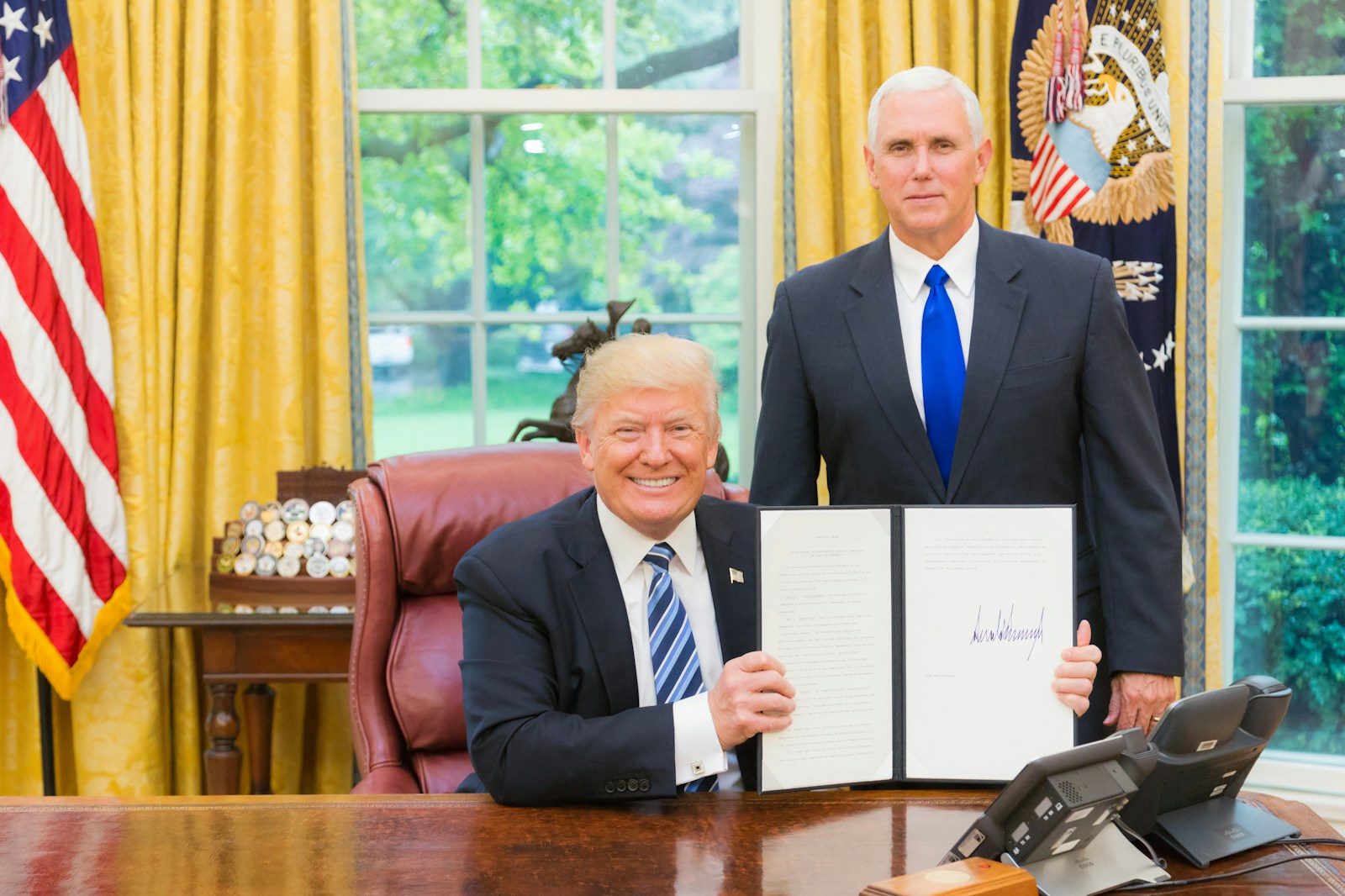
Trump's recent law signing to declassify Epstein documents raises questions about transparency and accountability. Here's what you should know.
- BackZee
- 5 min read
TL;DR 🚀
Make sure to check our deep dive on why this matters.
- Trump has signed a law to declassify documents related to Jeffrey Epstein.
- This move aims to enhance transparency regarding Epstein’s connections.
- The decision has sparked discussions about accountability and public interest.
- Critics raise concerns about the potential risks of releasing sensitive information.
- The law could have broader implications for government transparency and accountability.
In a significant political move, former President Donald Trump has enacted a law that mandates the declassification of documents linked to Jeffrey Epstein. This decision has reignited conversations about transparency and the implications of Epstein’s controversial legacy, especially regarding the powerful individuals associated with him. Epstein, a financier and convicted sex offender, was found dead in his jail cell in 2019, leading to widespread speculation and conspiracy theories regarding his connections to influential figures across various sectors.
The Law’s Implications 📜
The new legislation requires the release of previously classified documents tied to Epstein, a financier whose criminal activities have long been a topic of public scrutiny. By signing this law, Trump aims to shed light on the extensive network surrounding Epstein, which includes numerous high-profile figures from politics, entertainment, and business.
This law is seen as a step towards greater accountability. Advocates argue that the public deserves access to information that could reveal the extent of Epstein’s influence and the potential complicity of others in his crimes. The declassification process is expected to unveil critical details that have remained hidden for years. For instance, documents could include flight logs from Epstein’s private jet, known as the “Lolita Express,” which allegedly transported numerous celebrities and politicians.
Key Points of the Law:
- Mandatory Declassification: All documents related to Epstein must be reviewed and released.
- Timeframe: The law sets a specific timeline for the declassification process, ensuring timely access to information.
- Public Interest: The legislation emphasizes the importance of transparency in matters of public concern.
Public Reaction and Controversy 🔥
The response to Trump’s signing of the law has been mixed. While many support the push for transparency, others express concerns about the potential consequences of releasing sensitive information. Critics argue that some documents may contain details that could compromise ongoing investigations or the privacy of individuals involved. For example, there are fears that the release of certain names could lead to public shaming or harassment, especially if those individuals are not implicated in any wrongdoing.
Moreover, this move has reignited debates about political motivations. Some speculate that Trump’s decision may be influenced by his desire to shift focus away from other pressing issues facing his political agenda, such as economic challenges or his ongoing legal battles. The timing of the law’s enactment raises questions about whether it is a genuine effort for transparency or a strategic maneuver to garner public support.
Quick Takeaways 📌
- The law could reveal significant details about Epstein’s connections.
- Public opinion is divided on the implications of declassifying sensitive documents.
- The move may have political motivations beyond transparency.
- Concerns exist regarding the potential risks associated with releasing certain information.
- The law could serve as a catalyst for broader discussions on government accountability.
The Bigger Picture 🌍
This law is not just about Epstein; it reflects a broader trend towards demanding government accountability. In an era where public trust in institutions is waning, initiatives like this can serve as a catalyst for change. The push for transparency is essential in ensuring that powerful individuals are held accountable for their actions.
Furthermore, the declassification of Epstein-related documents could potentially lead to further investigations and legal actions against those implicated. It raises the question of how far the ripple effects of this legislation will extend, especially concerning other high-profile cases. For instance, the revelations could lead to renewed scrutiny of figures like Prince Andrew, Bill Clinton, and Donald Trump himself, all of whom have been linked to Epstein in various capacities.
Related Insights
For more on the implications of transparency in government, check out our post on Government Accountability.
FAQ ❔
What does the new law entail?
The law mandates the declassification of all documents related to Jeffrey Epstein, aiming to enhance public transparency and accountability regarding his connections.
Why is this law significant?
This legislation is significant because it addresses the need for transparency in high-profile cases, allowing the public to access information that could reveal the extent of Epstein’s influence and the involvement of others.
How might this affect ongoing investigations?
While the declassification could provide valuable insights, there are concerns that releasing certain documents may compromise ongoing investigations or infringe on the privacy of individuals involved.
What types of documents are expected to be released?
Expected documents include flight logs, legal files, and communications that could shed light on Epstein’s relationships with various high-profile individuals.
How has the public reacted to this law?
Public reaction is mixed, with some praising the push for transparency while others express concern over the potential risks of releasing sensitive information.
In conclusion, Trump’s signing of the law to declassify Epstein documents is a pivotal moment in the ongoing quest for transparency and accountability. As the process unfolds, the implications of this decision will likely resonate far beyond the immediate context, shaping discussions about power, privilege, and justice in society. The outcome of this law may not only influence public perception of Epstein’s legacy but also redefine the boundaries of governmental transparency in the 21st century.