
Three Amur Tigers Captured in Primorye This Year
In Primorye, three Amur tigers have been captured in 2026, highlighting wildlife management efforts in the region. Discover why it matters for Gen-Z readers.
- BackZee
- 5 min read
TL;DR 🚀
Make sure to check our deep dive on why this matters.
- Three Amur tigers have been captured in Primorye since January 2026.
- The first tiger was released back into the wild after being deemed healthy.
- The second tiger was rehabilitated after a horse attack.
- The third tiger’s fate is still under review due to its behavior.
- These captures highlight the ongoing challenges of wildlife management in human-populated areas.
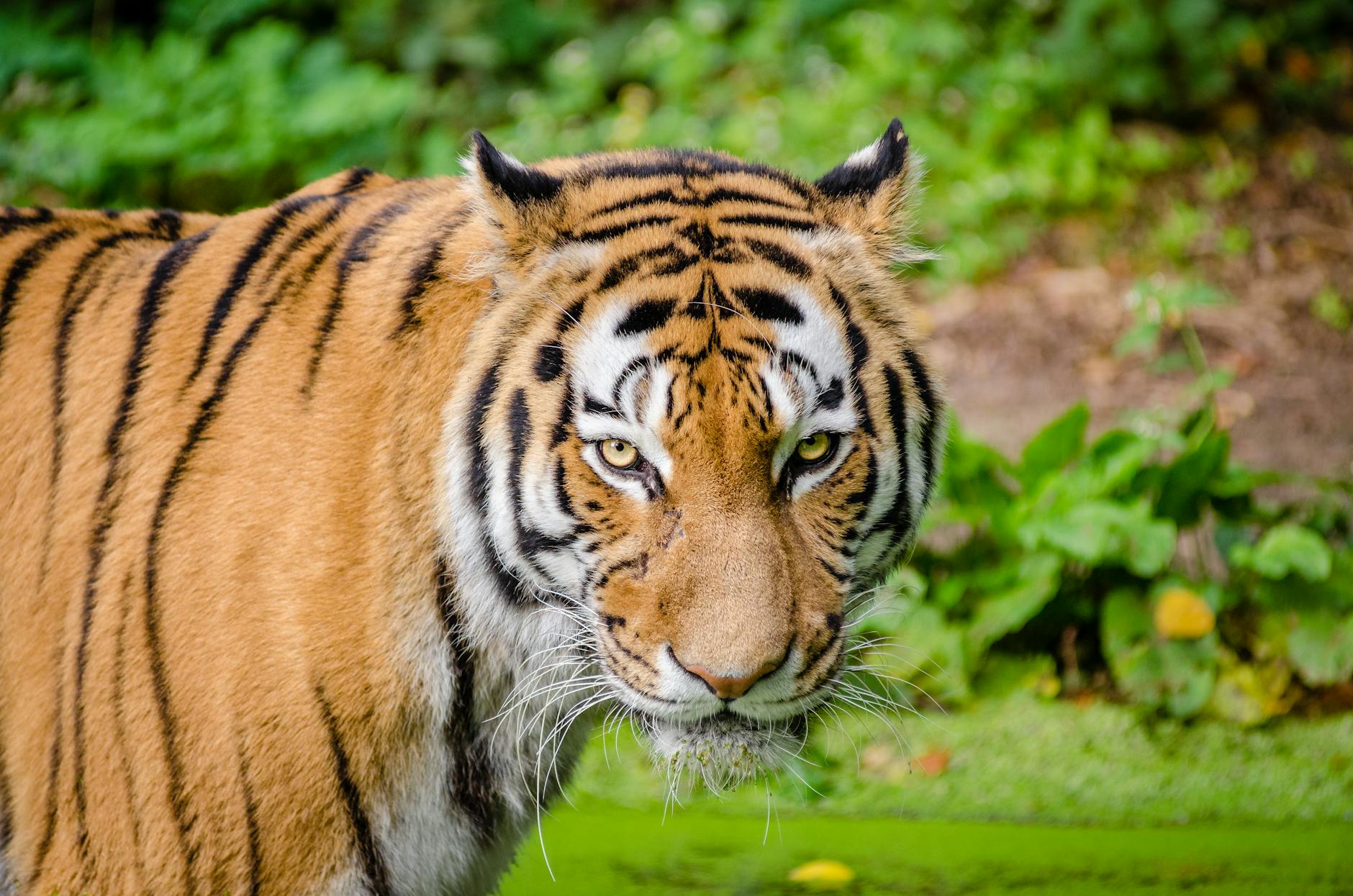
In Primorye, the ongoing efforts to manage wildlife have led to the capture of three Amur tigers since the start of 2026. This initiative reflects the region’s commitment to both conservation and community safety, as local authorities work to balance the needs of wildlife with those of residents. The Amur tiger, also known as the Siberian tiger, is a critically endangered species, with estimates suggesting that only around 500 individuals remain in the wild.
Recent Captures 🐅
The first tiger was captured on January 4 in the village of Verkhny Pereval. This male tiger was found to be in excellent health and was subsequently released into a remote area of the taiga. Wildlife specialists are keeping tabs on him using a satellite collar, ensuring that he adapts well to his new surroundings. The use of satellite collars is crucial, as it allows researchers to track the tiger’s movements and behaviors, providing insights into its hunting patterns and habitat preferences.
The second tiger was apprehended in the Nadezhdinsky District after it was involved in an incident where it attacked a horse. This situation raised concerns among locals, prompting authorities to act swiftly. After being taken to a rehabilitation center, the tiger was later returned to its natural habitat, showcasing the region’s dedication to wildlife recovery. Rehabilitation efforts often include behavioral assessments to ensure that the tiger can reintegrate into the wild without posing a threat to livestock or humans.
The third tiger was discovered in the village of Zerkalnoye, where it had been preying on local dogs and causing distress among residents. This situation has sparked discussions about the balance between wildlife and human habitation. Experts are currently evaluating whether this tiger can be safely released back into the wild or if further intervention is necessary to ensure community safety. The complexities of this situation highlight the need for ongoing dialogue between conservationists and local communities to develop effective strategies for coexistence.
Quick Takeaways 📌
- The first tiger was healthy and released back into the wild.
- The second tiger was rehabilitated after a horse attack.
- The third tiger’s fate is still under review due to its behavior.
- The captures underscore the importance of wildlife management in populated areas.
- Community engagement is essential for successful conservation efforts.
The Importance of Wildlife Management 🌍
Effective wildlife management is crucial in areas where human and animal territories overlap. The recent captures of these Amur tigers highlight the challenges faced by conservationists. As the population of these majestic creatures fluctuates, authorities must navigate the complexities of protecting both wildlife and local communities.
In Primorye, the Amur tiger population is particularly vulnerable due to habitat loss, poaching, and human-wildlife conflict. According to the World Wildlife Fund (WWF), habitat destruction has led to a significant decline in prey availability, pushing tigers closer to human settlements in search of food. This has resulted in increased encounters between tigers and humans, often leading to conflict.
For more insights on wildlife management strategies, check out our post on /posts/wildlife-management-strategies. These strategies often include community education programs, habitat restoration projects, and the establishment of wildlife corridors to facilitate safe movement for tigers and other wildlife.
FAQ ❔
Why are Amur tigers being captured?
Amur tigers are captured to monitor their health, ensure their safety, and address any conflicts with local communities. This helps maintain a balance between wildlife conservation and human safety. Captures are often conducted in response to specific incidents or as part of routine monitoring efforts.
What happens to the captured tigers?
Captured tigers undergo health assessments, and if deemed fit, they may be released back into the wild. In cases where they pose a threat to humans or livestock, they may be rehabilitated or relocated. Rehabilitation centers play a critical role in preparing these animals for life back in the wild.
How does satellite tracking help in wildlife management?
Satellite tracking allows wildlife specialists to monitor the movements and behaviors of captured animals. This technology provides valuable data that aids in understanding their adaptation to new environments and helps inform future conservation efforts. It also enables quick responses to any potential conflicts that may arise.
What role do local communities play in wildlife conservation?
Local communities are vital to the success of wildlife conservation efforts. Engaging residents in conservation initiatives fosters a sense of ownership and responsibility towards local wildlife. Education programs that inform communities about the ecological importance of species like the Amur tiger can help reduce conflict and promote coexistence.
In conclusion, the ongoing management of Amur tigers in Primorye reflects a broader commitment to wildlife conservation while addressing the concerns of local communities. As these efforts continue, the balance between nature and human habitation remains a critical focus for authorities and conservationists alike. The collaboration between wildlife experts and local residents will be essential in ensuring the survival of this iconic species for future generations.