
Surge in Demand for Dementia Drugs in Russia: What You Need to Know
Explore the rising demand for dementia medications in Russia and its implications for healthcare. Discover why it matters for Gen-Z readers.
- BackZee
- 5 min read
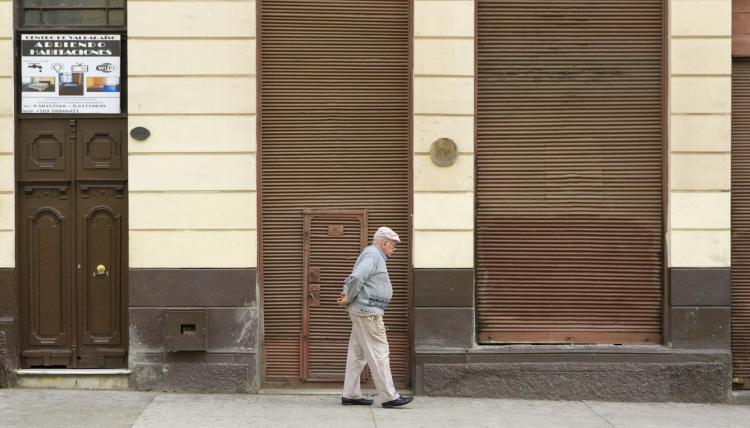
TL;DR 🚀
Make sure to check our deep dive on why this matters.
- Russia sees a notable rise in the demand for dementia medications.
- Increased awareness and an aging population are key factors.
- The healthcare system faces challenges in meeting this demand.
- Access to medications is limited, especially in rural areas.
- Policymakers need to address affordability and availability issues.
In recent times, Russia has experienced a significant uptick in the demand for medications aimed at treating dementia. This trend reflects broader societal changes, including an aging population and heightened awareness about mental health issues. As the country grapples with these challenges, understanding the implications of this surge is crucial.
Rising Awareness and Aging Population 📈
The increase in demand for dementia drugs can be attributed to several factors. First and foremost, awareness surrounding dementia and its effects has grown significantly. Public health campaigns and media coverage have played a pivotal role in educating the population about dementia symptoms, which include memory loss, confusion, and changes in behavior. More people are recognizing these symptoms and seeking medical help, leading to a higher prescription rate for dementia-related medications.
Moreover, Russia’s aging population is a critical factor in this trend. According to the Federal State Statistics Service, as of 2023, approximately 30% of the Russian population is over the age of 60, a demographic that is particularly susceptible to dementia. As life expectancy increases, the number of individuals at risk for dementia also rises. This demographic shift places additional pressure on the healthcare system to provide adequate support and treatment options for those affected.
- Key medications in demand include cholinesterase inhibitors (like donepezil and rivastigmine) and memantine, which are commonly prescribed to manage symptoms of dementia. These medications help improve cognitive function and slow the progression of symptoms, offering patients and their families a better quality of life.
- The healthcare sector is working to adapt to this growing need, but challenges remain in terms of accessibility and affordability. For instance, while urban centers may have better access to these medications, rural areas often lack the necessary healthcare infrastructure.
Healthcare System Challenges 🏥
Despite the rising demand for dementia medications, the Russian healthcare system faces significant hurdles. Access to these drugs can be limited, particularly in rural areas where healthcare resources are scarce. Patients often encounter difficulties in obtaining prescriptions and receiving timely treatment. A study conducted by the Russian Academy of Sciences in 2022 revealed that nearly 40% of patients in rural regions reported having to travel over 50 kilometers to access a pharmacy that stocks dementia medications.
Additionally, the cost of medications can be prohibitive for many families, leading to disparities in treatment access. The average monthly cost of dementia medications can range from 3,000 to 10,000 rubles (approximately $40 to $130), which is a significant burden for many households, especially those living on fixed incomes or pensions. As the demand continues to grow, it is essential for policymakers to address these issues and ensure that all patients have the opportunity to receive appropriate care.
Furthermore, the stigma surrounding mental health issues, including dementia, can deter individuals from seeking help. Cultural perceptions of aging and cognitive decline often lead to a lack of understanding and support for those affected, exacerbating the challenges faced by patients and their families.
Quick Takeaways 📌
- The demand for dementia drugs in Russia is increasing due to greater awareness.
- An aging population is contributing to the rise in dementia cases.
- Access and affordability of medications remain significant challenges.
- Rural areas are particularly affected by limited access to healthcare resources.
- Cultural stigma surrounding dementia can hinder treatment seeking.
FAQ ❔
What types of dementia medications are in high demand?
Cholinesterase inhibitors (such as donepezil and rivastigmine) and memantine are among the most commonly prescribed medications for managing dementia symptoms. These drugs are essential for improving cognitive function and managing behavioral symptoms associated with dementia.
How is the Russian healthcare system responding to this demand?
The healthcare system is working to improve access to dementia medications, but challenges such as affordability and availability persist, particularly in rural areas. Initiatives to increase the number of healthcare professionals trained in geriatric care and to enhance telemedicine services are being explored to address these issues.
What factors are contributing to the rise in dementia cases in Russia?
The aging population and increased awareness of dementia symptoms are primary factors driving the rise in cases and subsequent demand for treatment. Additionally, lifestyle factors such as diet, physical activity, and chronic health conditions like hypertension and diabetes also play a role in dementia prevalence.
Are there any government initiatives to address the dementia crisis?
Yes, the Russian government has recognized the growing challenge of dementia and is implementing various strategies, including increasing funding for research, improving training for healthcare providers, and launching public awareness campaigns to educate the population about dementia.
As the landscape of dementia care evolves, it is crucial for both healthcare providers and patients to stay informed about available treatments and resources. Addressing the challenges within the healthcare system will be vital in ensuring that those affected by dementia receive the care they need. The commitment to improving access, affordability, and education will ultimately shape the future of dementia care in Russia.