
St. Petersburg's City Decoration Costs Spark Controversy
St. Petersburg's mayor disputes claims of higher city decoration costs compared to Moscow. Explore the details behind the controversy. Discover why it matters f
- BackZee
- 5 min read
TL;DR 🚀
Make sure to check our deep dive on why this matters.
- St. Petersburg’s mayor denies claims of excessive spending on city decorations.
- Allegations suggest the city spent three times more than Moscow.
- The debate highlights ongoing budgetary tensions between the two cities.
- Cultural identity and tourism are central to the discussion.
- The controversy reflects broader issues of urban aesthetics and public spending.
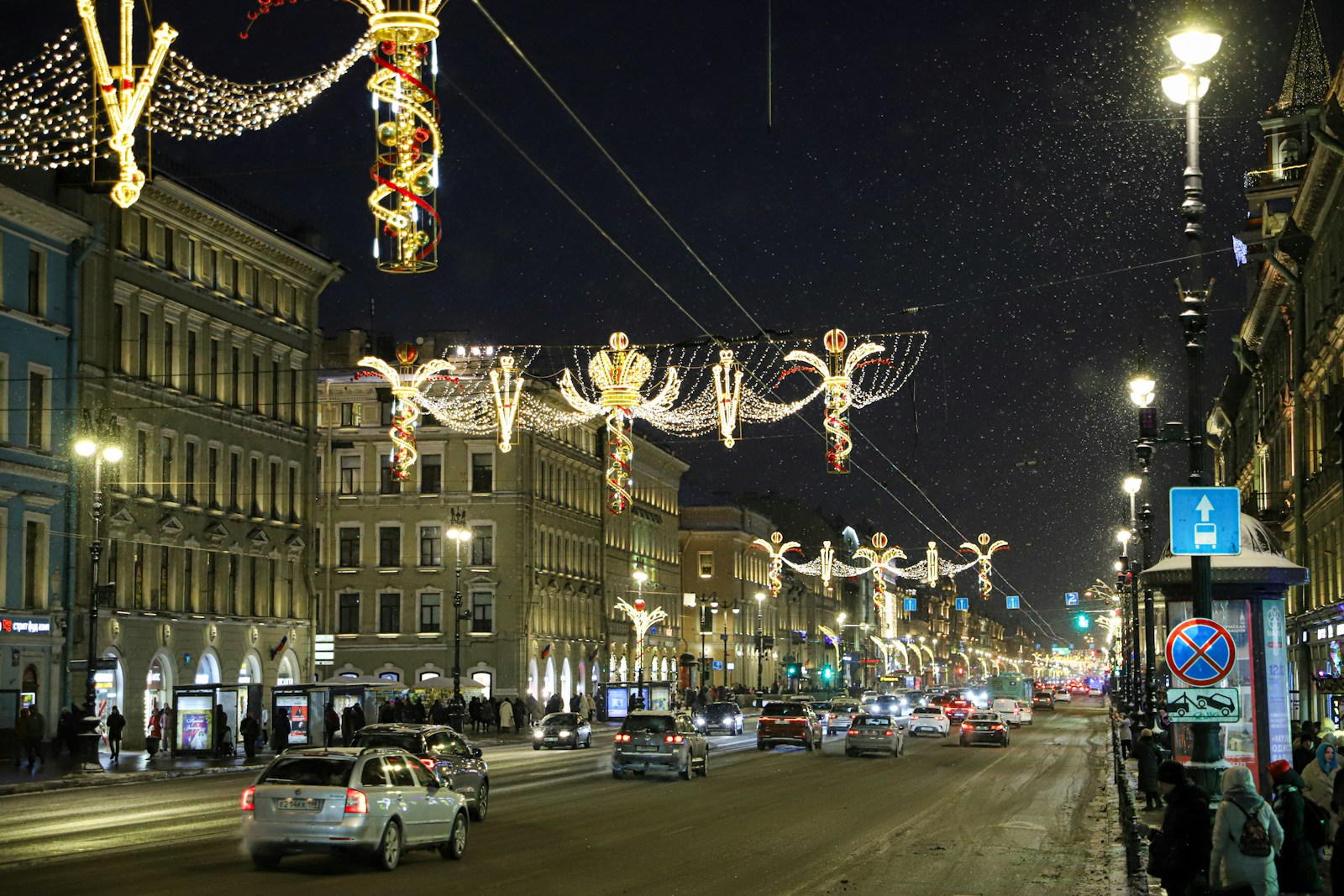
In a recent statement, St. Petersburg’s mayor, Alexander Beglov, has firmly rejected accusations that his city has outspent Moscow on holiday decorations by a staggering threefold. This controversy has ignited discussions about budget allocation and city aesthetics, raising questions about how much should be invested in urban beautification. The debate is not merely about numbers; it encapsulates the cultural essence of St. Petersburg and its identity as a historical and artistic center.
The Spending Debate 💰
The heart of the matter lies in the discrepancies between reported expenditures for city decorations. While some sources claim St. Petersburg’s budget for festive adornments is significantly higher than Moscow’s, Beglov insists that these figures are inflated. He argues that the city’s spending is both reasonable and necessary for maintaining its cultural heritage and attracting tourism.
According to city officials, St. Petersburg allocated approximately 300 million rubles (around $4 million) for its holiday decorations this year, while Moscow’s budget was reported to be around 100 million rubles (approximately $1.3 million). Critics argue that this discrepancy is alarming, especially in a time of economic uncertainty. However, Beglov highlighted that the funds allocated for decorations are not just about aesthetics; they also play a vital role in enhancing the city’s public image. He emphasized that such investments can lead to increased foot traffic and, ultimately, boost local businesses.
Key Points:
- St. Petersburg’s decorations are part of a broader strategy to enhance tourism.
- The mayor argues that spending is justified for cultural preservation.
- Comparisons with Moscow’s spending are misleading, according to city officials.
- The city aims to create a festive atmosphere that attracts both locals and tourists.
The Cultural Impact 🎨
The debate over spending isn’t just about numbers; it reflects deeper cultural values. St. Petersburg, known for its rich history and stunning architecture, often sees its decorations as a way to celebrate its identity. The mayor’s stance is that investing in the city’s appearance is essential for maintaining its status as a cultural hub.
In recent years, St. Petersburg has made significant investments in public art and urban beautification projects. For example, the city has hosted several art festivals that showcase local talent, further enhancing its cultural landscape. Moreover, the festive decorations serve as a symbol of resilience and community spirit, especially in challenging times. They create a sense of unity and pride among residents, making the city more inviting for visitors. This perspective is crucial in understanding why city officials defend their budgetary choices so passionately.
The decorations also play a role in the local economy. A study by the St. Petersburg Tourism Committee indicated that holiday decorations can increase foot traffic by up to 30%, directly benefiting local businesses such as cafes, shops, and hotels. This economic boost is particularly important during the winter months when tourism typically slows down.
Quick Takeaways 📌
- St. Petersburg’s spending on decorations is seen as a cultural investment.
- Mayor Beglov defends the budget against claims of excessive spending.
- The city’s aesthetic choices are tied to its identity and tourism strategies.
- Local businesses benefit significantly from increased foot traffic during the holiday season.
- The debate reflects broader cultural and economic priorities within urban planning.
FAQ ❔
Why is there a dispute over the decoration costs?
The dispute arises from conflicting reports about the amount spent on holiday decorations in St. Petersburg compared to Moscow. Mayor Beglov asserts that the figures suggesting St. Petersburg’s spending is three times higher are exaggerated. The mayor’s office has called for transparency in budget reporting to clarify these discrepancies.
How does city decoration spending impact tourism?
Investing in city decorations can enhance the overall visitor experience, making the city more attractive to tourists. This, in turn, can lead to increased economic activity and support for local businesses. The festive atmosphere created by decorations often encourages longer stays and higher spending among visitors.
What are the broader implications of this spending debate?
This debate highlights the ongoing tensions between cities regarding budget priorities and cultural investments. It raises questions about how cities allocate resources for public projects and the importance of aesthetics in urban planning. As cities compete for tourism and investment, the decisions made about public spending will continue to shape their identities and economic futures.
How do residents feel about the decoration spending?
Public opinion on the decoration spending is mixed. Some residents appreciate the festive atmosphere and the cultural significance of the decorations, while others express concern over the allocation of funds, especially in light of pressing social issues. Community forums have been organized to gather feedback and foster dialogue about the city’s budget priorities.
In conclusion, the controversy surrounding St. Petersburg’s decoration spending is more than just a financial debate; it touches on themes of cultural identity, community pride, and the role of aesthetics in urban life. As cities continue to navigate their budgets, the discussions sparked by this issue will likely resonate well beyond the holiday season. The outcome of this debate may influence future spending decisions and shape the cultural landscape of St. Petersburg for years to come.