
Sergio Sobyanin Envisions Robots Replacing Delivery Couriers
Moscow's mayor predicts a future where robots take over courier jobs, enhancing efficiency and reducing costs. Discover why it matters for Gen-Z readers.
- BackZee
- 5 min read
TL;DR 🚀
- Moscow’s mayor believes robots could soon handle deliveries.
- This shift aims to improve efficiency and cut costs.
- The initiative reflects a broader trend in urban automation.
- Robotic deliveries could contribute to sustainability goals.
- Cities worldwide are already experimenting with similar technologies.
In a bold vision for the future, Moscow’s mayor, Sergio Sobyanin, has expressed optimism about the potential for robots to replace human couriers. This shift could revolutionize the delivery industry, making it more efficient and cost-effective. As cities around the world explore automation, Sobyanin’s comments highlight a significant trend in urban logistics that could reshape our daily lives.
The Future of Delivery 🚚
Sobyanin’s remarks come amid a growing interest in robotics and automation within urban environments. He envisions a scenario where delivery robots could navigate the streets of Moscow, handling everything from food deliveries to package drop-offs. This transition could lead to faster service, as robots are not hindered by traffic or human limitations.
Current Developments in Robotic Deliveries
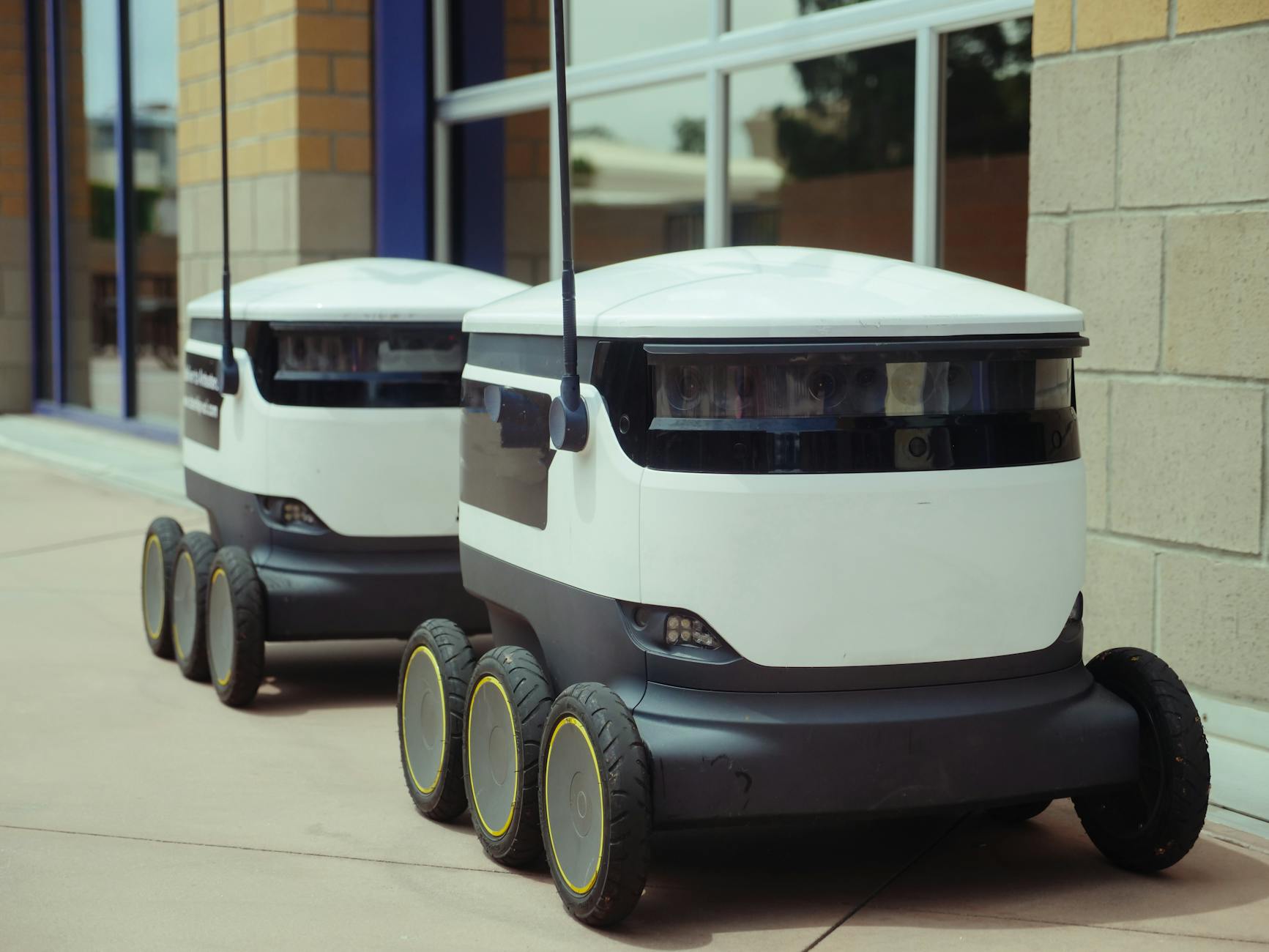
The use of robots for deliveries is not just a futuristic dream; it’s already happening in various cities globally. For instance, Starship Technologies has deployed small autonomous robots in cities like San Francisco and London, successfully delivering groceries and meals. These robots can navigate sidewalks and cross streets, showcasing the feasibility of robotic deliveries in urban settings.
Moreover, Amazon has been testing its Prime Air delivery drones, aiming to deliver packages within 30 minutes of an order. Such advancements indicate that the technology is not only viable but also rapidly evolving. Moscow, with its advanced infrastructure and tech-savvy population, could be an ideal testing ground for these technologies.
- Benefits of robotic delivery:
- Reduced delivery times: Robots can operate 24/7 without breaks, significantly speeding up the delivery process.
- Lower operational costs: With no salaries or benefits to pay, businesses could save money, potentially passing those savings on to consumers.
- Enhanced customer satisfaction: Faster and more reliable deliveries can lead to improved customer experiences.
Urban Automation Trends 🌆
The push for automation in delivery services aligns with a broader trend of urban innovation. Cities are increasingly adopting technology to improve public services and enhance the quality of life for residents. Sobyanin’s vision is part of a larger movement towards smart cities, where technology plays a crucial role in daily operations.
Sustainability and Environmental Impact
As cities look to reduce their carbon footprint, robotic deliveries could also contribute to sustainability goals. By minimizing the need for traditional delivery vehicles, which often contribute to traffic congestion and pollution, robots could pave the way for a greener future. For example, a study by the International Transport Forum found that autonomous delivery vehicles could reduce urban traffic by up to 20%, leading to significant reductions in greenhouse gas emissions.
Furthermore, the integration of electric delivery robots can further enhance sustainability efforts. These robots can operate on renewable energy sources, aligning with global initiatives to combat climate change.
For more insights on urban automation, check out our post on smart city initiatives.
Economic Implications
The economic implications of Sobyanin’s vision are profound. According to a report by McKinsey, automation in logistics could save the global economy up to $2 trillion annually by 2030. This shift could lead to lower prices for consumers and increased competitiveness for businesses. However, it also raises questions about the future of work and the need for reskilling the workforce to adapt to new roles created by technological advancements.
Quick Takeaways 📌
- Robots could significantly reduce delivery times in urban areas.
- Automation may lead to lower costs for businesses and consumers.
- The shift towards robotic delivery aligns with sustainability efforts.
- Economic benefits could be substantial, with potential savings in logistics.
- Cities worldwide are already experimenting with similar technologies.
FAQ ❔
What types of deliveries could robots handle?
Robots could manage a variety of deliveries, including food, groceries, and packages, making the process more efficient and timely. For instance, companies like Domino’s are already using delivery robots for pizza orders, demonstrating the versatility of this technology.
How will this impact courier jobs?
While there may be concerns about job displacement, the rise of robotic deliveries could create new opportunities in tech and maintenance sectors. As the demand for skilled workers to manage and maintain these robots increases, new job categories may emerge, focusing on robotics, programming, and logistics management.
Are there any cities already using delivery robots?
Yes, several cities worldwide are experimenting with delivery robots, including San Francisco, London, and even parts of China. In Shenzhen, for example, delivery robots are already a common sight, navigating busy streets and delivering goods to consumers. These pilot programs showcase the potential for this technology and provide valuable insights for future implementations.
What are the challenges of implementing robotic deliveries?
Despite the promising outlook, several challenges remain. These include regulatory hurdles, public acceptance, and the need for robust infrastructure to support autonomous vehicles. Additionally, ensuring the safety of pedestrians and other road users is paramount, necessitating comprehensive testing and development.
As we look to the future, Sobyanin’s vision for robotic couriers in Moscow reflects a significant shift in how we think about delivery services. With advancements in technology and a growing emphasis on efficiency, the landscape of urban logistics is set to change dramatically in the coming years. The integration of robots into our daily lives could redefine convenience, sustainability, and the very fabric of urban living.