
Snow Cyclone Over Moscow: A Stunning Visual from Roscosmos
Roscosmos reveals breathtaking images of a snow cyclone sweeping over Moscow, showcasing nature's power and beauty. Discover why it matters for Gen-Z readers.
- BackZee
- 5 min read
TL;DR 🚀
Make sure to check our deep dive on why this matters.
- Roscosmos shares incredible images of a snow cyclone.
- The cyclone brought heavy snowfall and stunning visuals.
- Nature’s power is on full display over Moscow.
- Snow cyclones can disrupt daily life but also create picturesque landscapes.
- Meteorological phenomena like this highlight the effects of climate change.
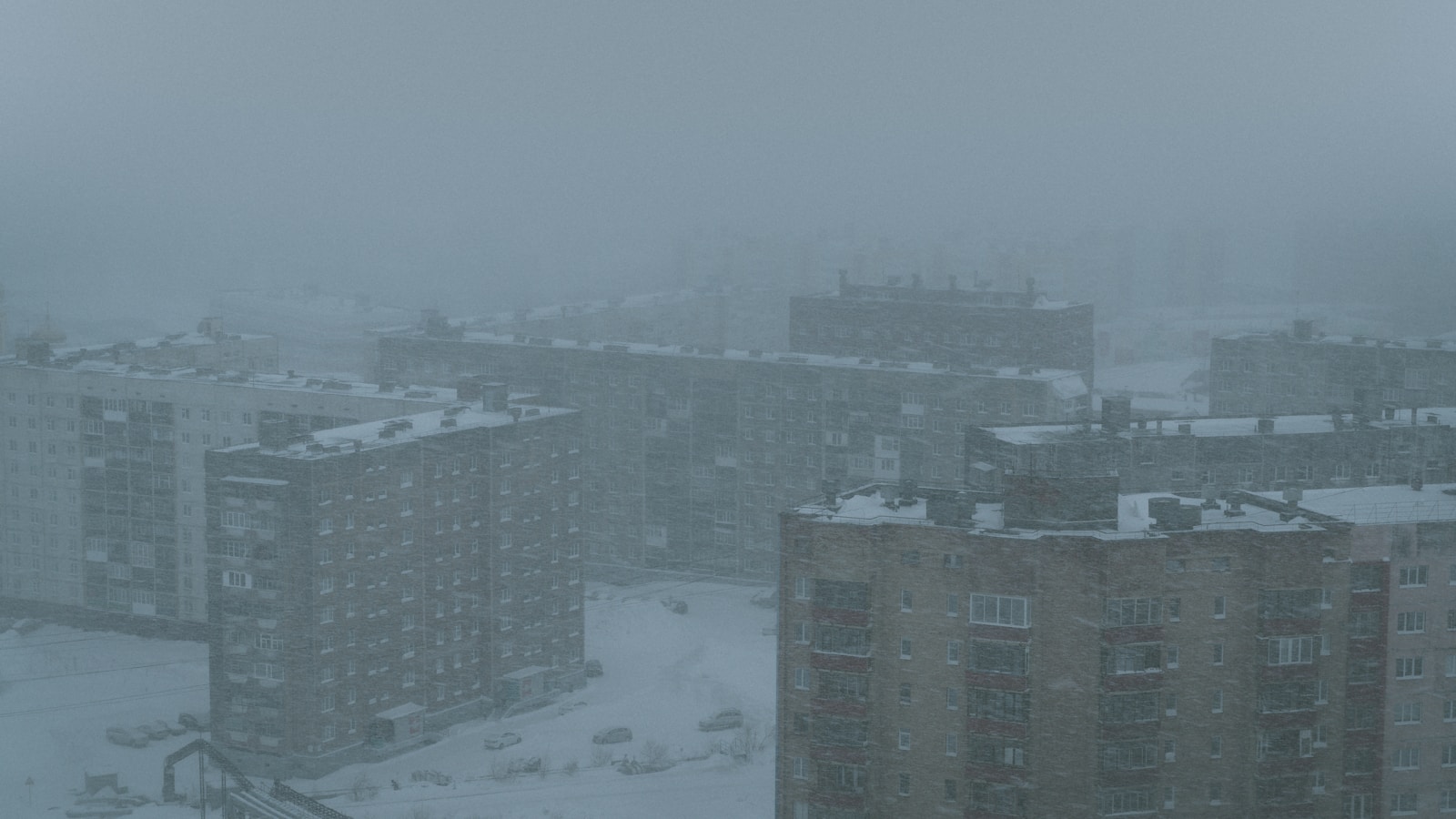
Recently, Roscosmos unveiled some breathtaking images of a snow cyclone hovering over Moscow. This meteorological phenomenon not only transformed the city into a winter wonderland but also highlighted the awe-inspiring forces of nature at play. The stunning visuals captured by Roscosmos serve as both a scientific observation and an artistic representation of the cyclone’s impact.
The Beauty of a Snow Cyclone ❄️
The snow cyclone, characterized by its swirling winds and heavy snowfall, created a mesmerizing scene above the Russian capital. Roscosmos, the Russian space agency, captured stunning aerial views that showcase the cyclone’s intricate patterns and the blanket of snow it laid over the city.
This event serves as a reminder of how dynamic weather systems can dramatically alter landscapes. The images reveal not just the beauty of the snow but also the power of nature. As the cyclone moved through, it brought with it a mix of challenges and aesthetic wonders, making it a topic of interest for both meteorologists and photographers alike.
- Heavy snowfall was reported across various districts, with some areas receiving up to 30 centimeters of snow in just a few hours.
- The cyclone’s formation is linked to specific atmospheric conditions, including the clash of warm and cold air masses, which is a common occurrence during the winter months in Russia.
- Residents experienced a picturesque yet challenging winter day, with many taking to social media to share their experiences and photographs of the stunning landscapes.
The visual impact of the snow cyclone was not limited to Moscow alone; surrounding regions also experienced similar weather patterns, leading to a broader appreciation of the phenomenon across the country. The images shared by Roscosmos have sparked discussions about the interplay between weather, climate, and the environment, emphasizing the importance of understanding these systems.
Understanding Cyclones and Their Impact 🌨️
Snow cyclones, while visually stunning, can have significant impacts on daily life. These weather systems are often associated with severe weather conditions, including heavy snowfall, strong winds, and reduced visibility. The recent cyclone over Moscow is a perfect example of how such phenomena can disrupt normal activities while simultaneously creating breathtaking visuals.
Meteorologists explain that cyclones form when warm and cold air masses collide, leading to the development of low-pressure systems. This particular snow cyclone was fueled by a combination of cold Arctic air and moisture from the surrounding atmosphere, resulting in the heavy snowfall that blanketed the city.
The impact of such cyclones can be profound. For instance, transportation networks often face delays and cancellations due to hazardous road conditions. Schools may close, and businesses can temporarily shut down, leading to economic repercussions. In Moscow, public transport was heavily affected, with reports of delays on the metro and bus services.
Quick Takeaways 📌
- Snow cyclones can lead to severe weather conditions.
- They are formed by colliding warm and cold air masses.
- Aesthetic beauty often accompanies the challenges they bring.
- Heavy snowfall can disrupt transportation and daily activities.
- Understanding these phenomena is crucial in the context of climate change.
FAQ ❔
What is a snow cyclone?
A snow cyclone is a weather system characterized by heavy snowfall and swirling winds, often resulting from the interaction of warm and cold air masses. These systems can lead to significant weather events that impact daily life.
How does a snow cyclone affect daily life?
These cyclones can disrupt transportation, cause power outages, and create hazardous conditions for residents. However, they also offer stunning visuals for photographers and nature enthusiasts. In Moscow, for example, many residents took the opportunity to enjoy the snow by participating in winter sports and activities, despite the challenges posed by the weather.
Why did Roscosmos capture images of the snow cyclone?
Roscosmos aims to document and share the beauty and power of natural phenomena, showcasing how weather systems can transform landscapes and impact daily life. The agency’s efforts contribute to a broader understanding of climate and environmental changes, as well as the importance of monitoring such events from a scientific perspective.
What are the broader implications of snow cyclones in the context of climate change?
As we continue to witness the effects of climate change, understanding these weather patterns becomes increasingly important. The snow cyclone over Moscow serves as a striking reminder of nature’s duality—its ability to inspire awe while also presenting challenges to those who experience it. Research indicates that climate change may lead to more extreme weather events, including intensified cyclonic activity, making it essential for communities to prepare for such occurrences.
In conclusion, the snow cyclone over Moscow not only provided a stunning visual spectacle but also served as a crucial reminder of the complex interplay between weather, climate, and human experience. As we navigate the challenges posed by changing weather patterns, events like these underscore the need for awareness and preparedness in the face of nature’s powerful forces.