
Self-Service Kiosks Coming to MFCs: A Biometric Revolution
MFCs are introducing biometric self-service kiosks to streamline public services. Discover how this tech will change the game. Discover why it matters for Gen-Z
- BackZee
- 4 min read
TL;DR 🚀
Make sure to check our deep dive on why this matters.
- MFCs will soon feature biometric self-service kiosks.
- The initiative aims to enhance user experience and efficiency.
- This tech is part of a broader trend in public service digitization.
- Enhanced security and reduced wait times are key benefits.
- The rollout reflects a global shift towards tech-driven public services.
In a significant move towards modernization, Multifunctional Centers (MFCs) are set to introduce biometric self-service kiosks. This innovation promises to streamline processes, making public services more accessible and efficient for citizens. As governments worldwide adopt similar technologies, the introduction of these kiosks marks a crucial step in enhancing the public service landscape.
The Future of Service Delivery 🌐
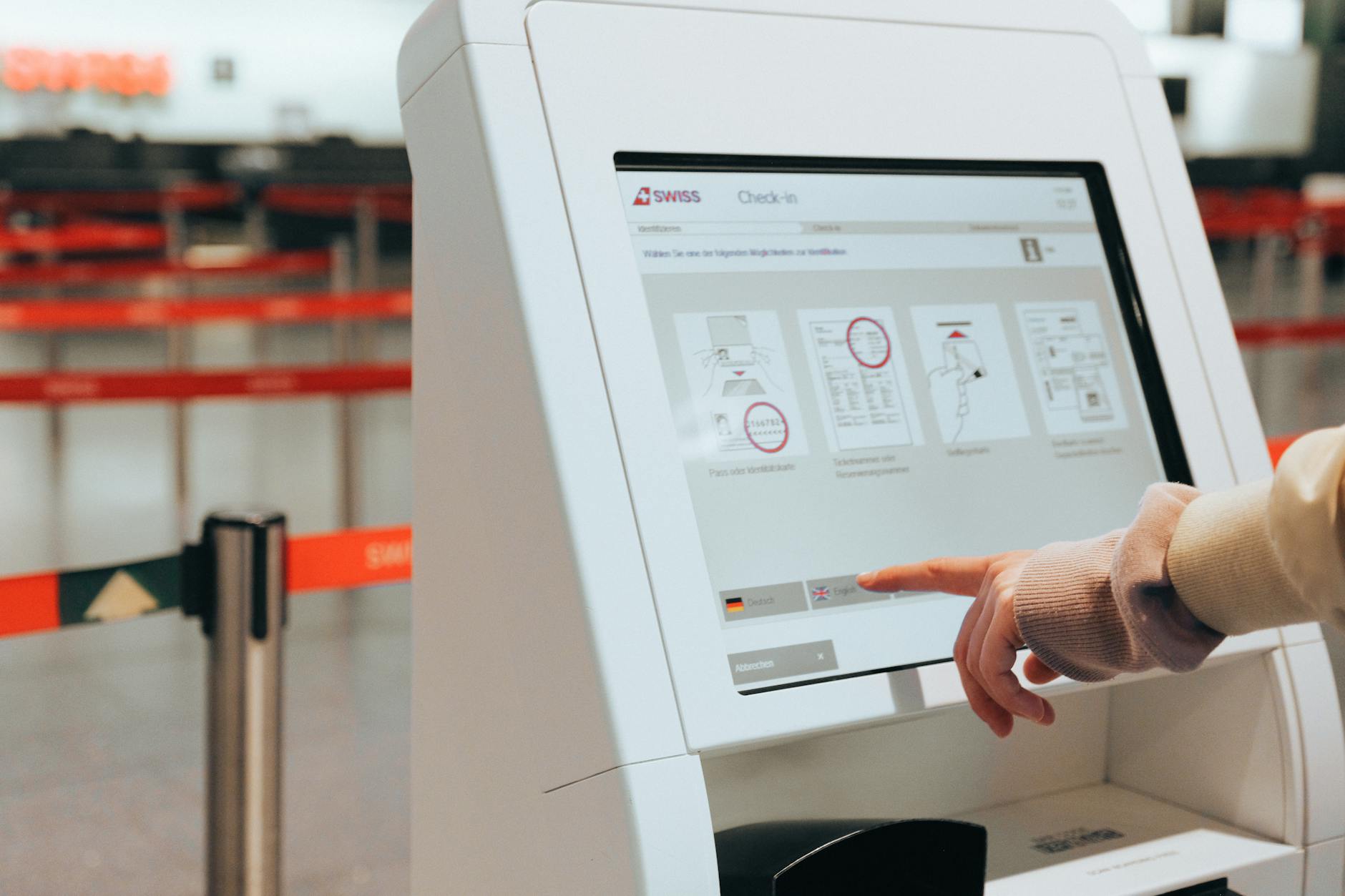
The rollout of self-service kiosks at MFCs marks a pivotal shift in how public services are delivered. These kiosks will utilize biometric technology, allowing users to authenticate their identity through fingerprints or facial recognition. This means less waiting in lines and a more personalized experience.
The primary goal of this initiative is to enhance user convenience. By integrating biometric systems, MFCs aim to reduce the time spent on administrative tasks. Citizens will be able to access various services, from document submissions to information inquiries, with just a few taps on the screen. For instance, a citizen needing to renew their driver’s license can do so in minutes without the hassle of long queues, significantly improving their experience.
Moreover, this move aligns with a global trend towards digital transformation in public services. Countries around the world are adopting similar technologies to improve efficiency and user satisfaction. For example, in countries like Estonia and Singapore, biometric systems have already revolutionized public service delivery, allowing citizens to engage with government services seamlessly. The introduction of these kiosks is a step towards a more tech-savvy and responsive government.
Benefits of Biometric Technology 🔍
The advantages of biometric self-service kiosks are numerous. First and foremost, they offer enhanced security. Biometric data is unique to each individual, making it difficult for unauthorized users to access services. This level of security is crucial for protecting sensitive personal information, especially in an age where data breaches are increasingly common. According to a report by Cybersecurity Ventures, cybercrime is expected to cost the world $10.5 trillion annually by 2025, highlighting the need for robust security measures.
Additionally, these kiosks can significantly reduce operational costs for MFCs. By automating routine tasks, staff can focus on more complex inquiries and provide better assistance to those who need it. This not only improves service quality but also optimizes resource allocation. A study by the McKinsey Global Institute found that automation could increase productivity by up to 1.4% annually, underscoring the potential economic benefits of such initiatives.
As MFCs continue to evolve, the integration of technology will play a vital role. For more insights on how technology is reshaping public services, check out our post on digital transformation in government.
Quick Takeaways 📌
- Biometric kiosks will enhance security and user experience.
- They will automate routine tasks, freeing up staff for complex issues.
- This initiative reflects a broader trend in public service digitization.
- Enhanced security measures are crucial in an era of increasing cyber threats.
- The potential for cost savings and increased productivity is significant.
FAQ ❔
What services will be available at the self-service kiosks?
The kiosks will provide access to a variety of services, including document submissions, information retrieval, and appointment scheduling. Citizens can expect to handle tasks such as applying for permits, paying fines, and accessing social services, all from the convenience of a kiosk.
How will biometric data be protected?
Biometric data will be securely stored and encrypted, ensuring that personal information remains confidential and protected from unauthorized access. MFCs will adhere to stringent data protection regulations, and regular audits will be conducted to ensure compliance with security standards.
When will the kiosks be operational?
The exact launch date is yet to be announced, but the initiative is expected to roll out in the coming months as part of the MFC modernization plan. Pilot programs may be initiated in select locations to gather user feedback and refine the technology before a wider rollout.
Will there be assistance available for those unfamiliar with the technology?
Yes, MFCs plan to provide on-site assistance and instructional materials to help users navigate the kiosks. Staff will be trained to assist citizens who may be unfamiliar with biometric technology, ensuring that everyone can benefit from the new system.
How will this change affect the workforce at MFCs?
While the introduction of self-service kiosks may lead to a shift in job roles, it is expected to create opportunities for staff to engage in more meaningful work. Employees will be able to focus on complex inquiries and provide personalized assistance, enhancing overall service quality.
As MFCs embrace this technological shift, the introduction of biometric self-service kiosks is set to redefine how citizens interact with public services. The future looks promising, with increased efficiency and security at the forefront of this transformation. By leveraging technology, MFCs are not only improving service delivery but also fostering a more engaged and informed citizenry.