
Russians Face Shortest Work Winter in 20 Years
This winter, Russians will experience the shortest work season in two decades, impacting productivity and lifestyle. Discover why it matters for Gen-Z readers.
- BackZee
- 5 min read
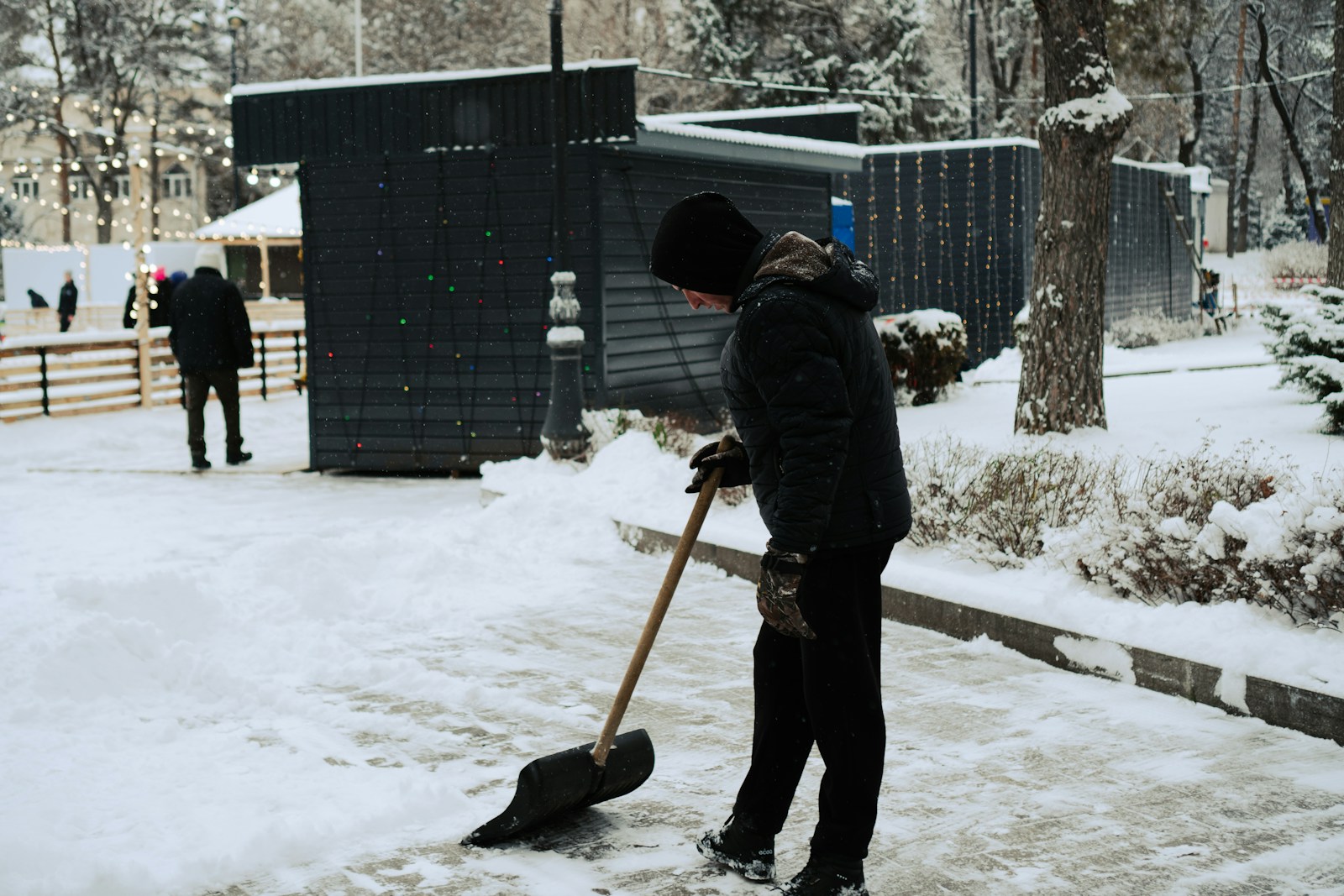
TL;DR 🚀
Make sure to check our deep dive on why this matters.
- Russians are set for the shortest work winter in 20 years.
- This change could affect productivity and lifestyle.
- The mild weather patterns are a significant factor.
- Businesses may need to adapt their operational strategies.
- Workers could benefit from more flexible schedules and increased outdoor activities.
As winter approaches, Russians are gearing up for an unusual season. This year, they will experience the shortest work winter in two decades, a shift that could have notable implications for both productivity and daily life. With milder weather patterns emerging, the impact of this change is already being felt across the country.
The Shift in Seasons 🌦️
The upcoming winter is expected to be significantly shorter, with many regions experiencing warmer temperatures than usual. This phenomenon is attributed to various climatic factors, including global warming, which has been a growing concern worldwide. According to the Russian Federal Service for Hydrometeorology and Environmental Monitoring (Roshydromet), average winter temperatures have risen by approximately 2 degrees Celsius over the past 30 years, with projections indicating that this trend will continue.
As a result, many workers may find themselves with fewer days spent in the office or on-site. This could lead to a reassessment of work-life balance, as employees adapt to a more flexible schedule. Companies might need to rethink their operational strategies to align with this new reality. For instance, industries that rely heavily on winter conditions, such as tourism and winter sports, may need to adjust their offerings to attract customers during milder months.
Potential Impacts on Productivity
- Flexible work hours may become more common, allowing employees to enjoy outdoor activities during the warmer days.
- Outdoor activities could increase during traditionally cold months, leading to a potential rise in sectors like tourism and recreation.
- Businesses may need to adjust their seasonal planning, considering the changing weather patterns when forecasting demand and staffing needs.
For example, ski resorts in Siberia, which typically see a surge in visitors during the winter months, may need to diversify their offerings to include summer activities like hiking and mountain biking. This shift could not only help maintain revenue but also encourage year-round tourism.
Economic Ramifications 💼
The economic landscape in Russia could also see shifts due to this shorter work winter. With fewer working days, businesses might experience fluctuations in productivity. The service sector, in particular, could benefit from increased outdoor activities, while industries reliant on winter conditions may face challenges.
A report by the Russian Chamber of Commerce and Industry indicates that the tourism sector could see a 15% increase in revenue from outdoor activities if the trend of milder winters continues. Conversely, industries like agriculture, which depend on cold weather for certain crops, may need to adapt their practices to cope with changing climatic conditions.
Moreover, this change could lead to a re-evaluation of labor laws and policies. As the workforce adapts to new seasonal patterns, there may be calls for more flexible work arrangements to accommodate the changing climate. For instance, remote work options may become more prevalent, allowing employees to work from home during particularly warm days.
Quick Takeaways 📌
- Shorter work winter could lead to increased outdoor leisure and a boost in the tourism sector.
- Businesses may need to adapt to new operational strategies to remain competitive.
- Potential for policy changes regarding labor laws and work arrangements.
- The agricultural sector may face challenges due to changing weather patterns.
Cultural Insights 🌍
The cultural implications of a shorter work winter are also noteworthy. Traditionally, winter in Russia has been associated with a slower pace of life, where families gather indoors, and outdoor activities are limited. However, with milder winters, there may be a cultural shift towards embracing outdoor activities year-round.
Festivals that celebrate winter, such as Maslenitsa, may evolve to include more outdoor events and activities that take advantage of the warmer weather. This could foster a greater appreciation for nature and outdoor recreation, aligning with global trends towards sustainability and environmental awareness.
FAQ ❔
Why is this winter shorter than usual?
The primary reason for the shorter winter is attributed to climate change and shifting weather patterns, leading to milder temperatures across many regions in Russia. This is part of a broader global trend observed in various countries.
How will this affect workers?
Workers may benefit from more flexible schedules and increased opportunities for outdoor activities, but some industries may struggle with reduced productivity. The shift could also lead to a better work-life balance as employees take advantage of the milder weather.
What changes can businesses expect?
Businesses might need to reassess their seasonal strategies and consider implementing more flexible work arrangements to adapt to the new winter dynamics. This could involve diversifying offerings to cater to a broader range of seasonal activities.
Will this trend continue in the future?
While it is difficult to predict the exact trajectory of climate change, current models suggest that milder winters may become more common in Russia. This necessitates ongoing adaptation by both businesses and workers to navigate the evolving landscape.
As we move forward, the implications of this shorter work winter will unfold, prompting discussions about how to best navigate these changes in both personal and professional spheres. The future of work in Russia may look quite different, and it’s essential to stay informed and adaptable.