
Russia Considers Charging for VPN Use: What You Need to Know
Russia's Ministry of Digital Development proposes fees for VPN usage, raising concerns about internet freedom and access. Discover why it matters and what happe
- BackZee
- 5 min read
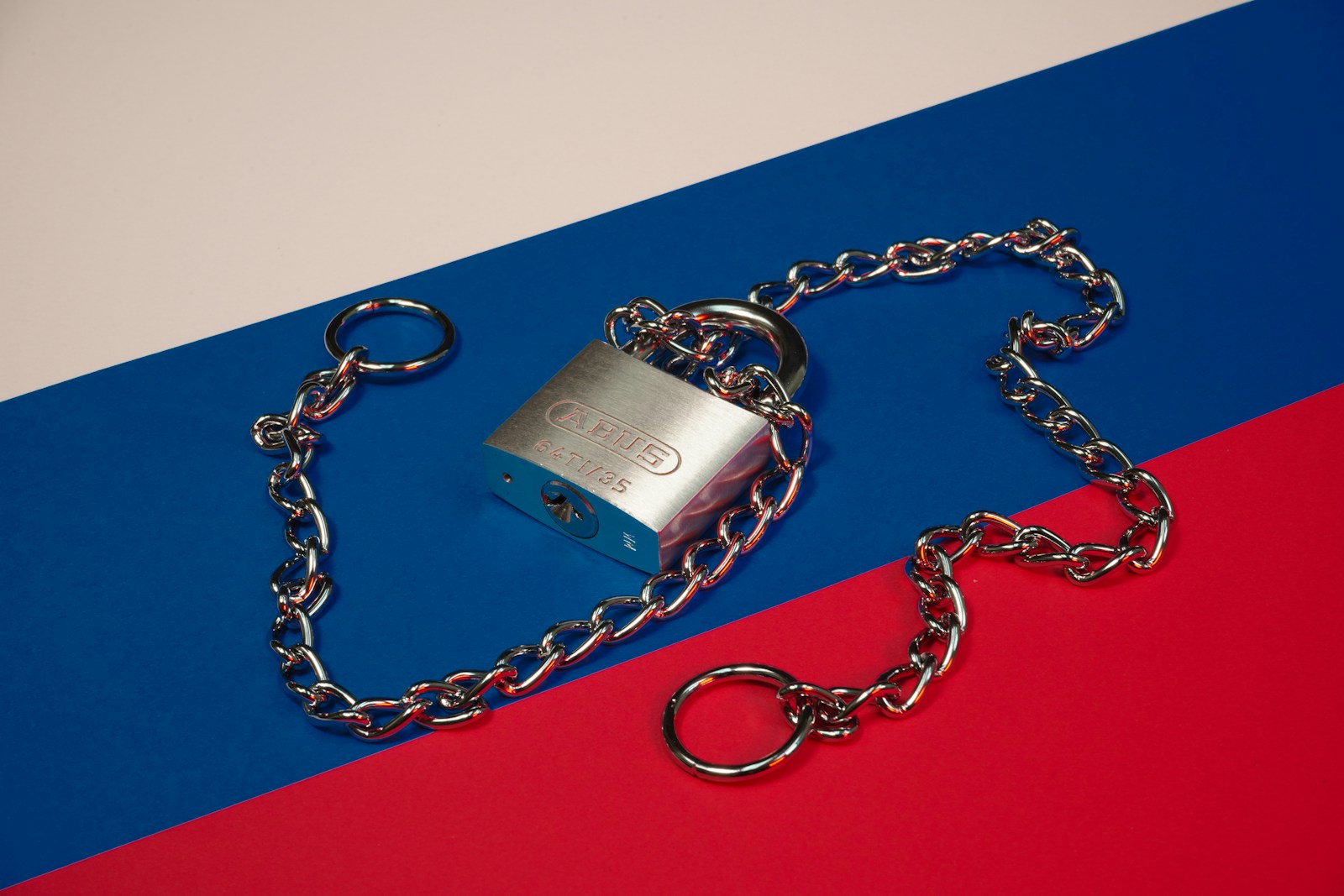
TL;DR 🚀
Make sure to check our deep dive on why this matters.
- Russia’s Ministry of Digital Development suggests a fee for VPN services.
- The proposal aims to regulate internet usage and enhance security.
- Concerns arise regarding freedom of access and digital rights.
- Critics warn of increased censorship and surveillance.
- The global context highlights similar trends in other countries.
In a surprising move, Russia’s Ministry of Digital Development has proposed that mobile operators implement charges for VPN usage. This initiative is part of a broader effort to regulate internet access and enhance security measures within the country. As VPNs become increasingly popular for bypassing restrictions, this proposal raises significant questions about digital rights and internet freedom.
The Proposal Explained 📜
The Ministry’s suggestion comes amid growing concerns over the use of VPNs to access restricted content. By introducing a fee, the government aims to monitor and control internet traffic more effectively. This could lead to a more secure online environment, but it also risks limiting user access to information.
VPNs, or Virtual Private Networks, are tools that allow users to mask their online identity and access content that may be blocked in their region. With the rise of censorship and surveillance, many individuals rely on these services to maintain their privacy. According to a 2023 report by GlobalWebIndex, over 25% of internet users in Russia utilized VPN services to bypass restrictions, highlighting the growing dependence on these tools. However, the proposed fee could deter users from utilizing VPNs, potentially pushing them back into the realm of unregulated internet access.
Key Points of the Proposal
- Regulation: The government seeks to impose regulations on VPN usage, potentially requiring users to register and pay fees.
- Security: Aimed at enhancing national security by monitoring internet traffic, the proposal suggests that fees will help fund these initiatives.
- Access: Could limit users’ ability to freely access information online, particularly content critical of the government or state policies.
Implications for Internet Freedom 🌐
The introduction of fees for VPN usage could have profound implications for internet freedom in Russia. Critics argue that this move is a step towards greater censorship and control over digital spaces. By making VPNs less accessible, the government could effectively stifle dissent and limit the flow of information. A study by the Freedom House in 2023 indicated that countries with stringent internet regulations often experience a decline in civic engagement and public discourse.
Moreover, this proposal raises questions about the balance between security and freedom. While the government argues that monitoring internet traffic is essential for national security, many believe that it infringes on individual rights. The potential for abuse of power is a significant concern, as it could lead to increased surveillance of citizens. For instance, in 2022, the Russian government implemented a law requiring telecommunications companies to store user data for six months, raising alarms about privacy violations.
The Global Context
This situation is not unique to Russia. Many countries have implemented similar measures to control internet access and monitor online activities. For example, in China, the Great Firewall restricts access to a wide range of foreign websites, and VPN usage is heavily regulated. In Turkey, a law passed in 2020 mandated that VPN providers register with the government, effectively limiting their ability to operate freely. However, the Russian proposal stands out due to its potential impact on a population that increasingly relies on VPNs for privacy and access to information. For more insights on digital rights, check out our post on /posts/digital-rights-in-2026.
Quick Takeaways 📌
- The proposed fee for VPNs could limit access to information, particularly for dissenting voices.
- Increased regulation may lead to greater censorship and reduced online anonymity.
- The balance between security and individual rights is at stake, raising ethical concerns.
- Global trends show that many countries are tightening control over internet access, mirroring Russia’s approach.
FAQ ❔
Why is Russia proposing a fee for VPN usage?
The Russian government aims to regulate internet access and enhance security by monitoring VPN usage. This proposal is part of a broader strategy to control the flow of information online, particularly in light of political dissent and unrest.
How might this affect internet users in Russia?
If implemented, the fee could deter users from utilizing VPNs, limiting their ability to access blocked content and potentially increasing government surveillance. Users may turn to less secure methods to access information, further jeopardizing their privacy.
Are there similar measures in other countries?
Yes, several countries have enacted laws to regulate VPN usage and monitor online activities. For example, in Iran, VPNs are illegal unless government-approved, and in Egypt, authorities have blocked many VPN services. However, the extent and impact of these measures vary widely, with some countries facing significant backlash from their citizens.
What can users do to protect their digital rights?
Users can advocate for digital rights by supporting organizations that promote internet freedom, using privacy-focused tools, and staying informed about changes in legislation. Engaging in discussions about digital rights and participating in protests or campaigns can also help raise awareness.
The proposed fee for VPN usage in Russia is a significant development in the ongoing debate over internet freedom and digital rights. As the situation unfolds, it will be crucial to monitor how this impacts users and the broader implications for digital privacy. The global community must remain vigilant, as the actions taken in Russia could set a precedent for other nations grappling with similar issues.