
Revamping the Shukhov Tower: A New Era for an Iconic Landmark
The historic Shukhov Tower is set for a major renovation, promising new viewing platforms and modern materials. Discover why it matters and what happens next.
- BackZee
- 5 min read
TL;DR 🚀
Make sure to check our deep dive on why this matters.
- Shukhov Tower will undergo a complete renovation.
- New materials will be used for its reconstruction.
- The top will feature observation decks for visitors.
- The renovation aims to preserve historical significance while enhancing modern appeal.
- Expected to boost local tourism and cultural engagement.
The iconic Shukhov Tower, a symbol of architectural innovation, is gearing up for a significant overhaul. This renovation aims to preserve its historical essence while introducing modern elements, including new viewing platforms that will enhance the visitor experience.
A Historic Transformation 🏗️
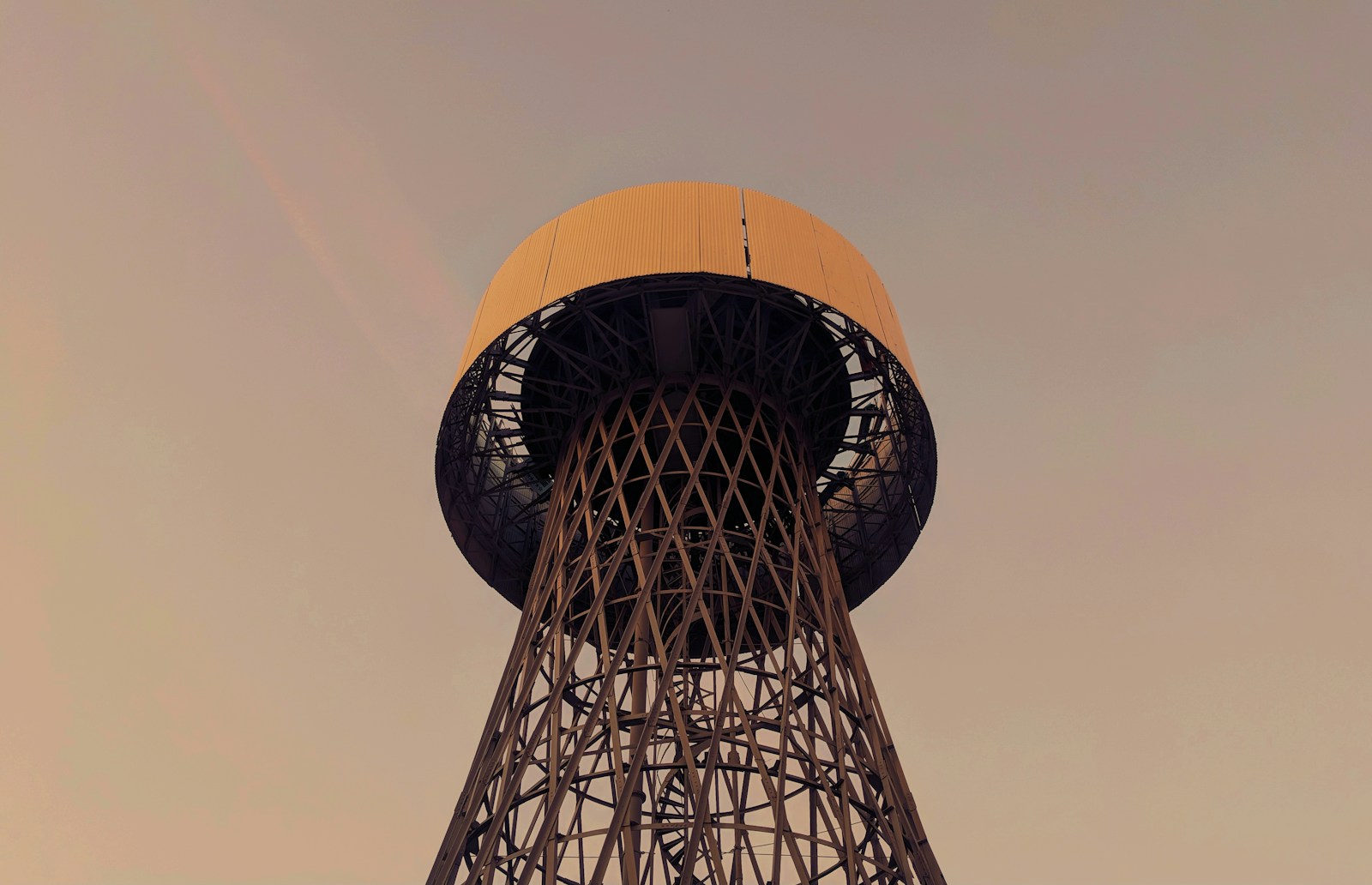
The Shukhov Tower, originally constructed in the early 1920s, has long been a staple of Moscow’s skyline. Designed by the engineer Vladimir Shukhov, its unique hyperboloid structure has captivated architects and tourists alike. The tower stands at a height of 160 meters and was initially built to support radio transmission. However, time has taken its toll, and the need for restoration has become increasingly urgent. The upcoming project will not only restore the tower but also modernize it with new materials that promise durability and aesthetic appeal.
The renovation plans include dismantling the existing structure and rebuilding it using advanced construction techniques. This approach ensures that the tower retains its original charm while being equipped to withstand the test of time. The introduction of observation decks at the top will provide breathtaking views of the city, making it a must-visit spot for both locals and tourists.
The Importance of Preservation
Preserving landmarks like the Shukhov Tower is crucial, not only for historical reasons but also for cultural identity. The tower is a testament to early 20th-century engineering and design, reflecting the innovative spirit of its time. According to the Russian Ministry of Culture, over 1,000 historical sites are in need of restoration across the country, highlighting the urgency of such projects. The Shukhov Tower’s renovation will serve as a model for future preservation efforts, showcasing how to blend history with modernity effectively.
What to Expect from the Renovation 🔍
As the project unfolds, several key features are set to enhance the Shukhov Tower’s appeal. The new materials chosen for the reconstruction will not only improve the tower’s longevity but also align with modern architectural standards. This blend of old and new is crucial for maintaining the tower’s historical significance while making it relevant for future generations.
The observation decks will offer a unique vantage point, allowing visitors to appreciate the beauty of Moscow from above. This feature is expected to attract a significant number of tourists, contributing to the local economy and promoting cultural heritage. In fact, similar renovations of iconic structures have shown a marked increase in visitor numbers; for instance, the renovation of the Eiffel Tower in Paris saw a 20% increase in annual visitors post-renovation.
Community Engagement and Cultural Insights
The renovation project also aims to engage the local community. Workshops and public forums will be held to gather input from residents and stakeholders, ensuring that the project reflects the desires and needs of the community. This participatory approach not only fosters a sense of ownership but also enriches the cultural narrative surrounding the tower.
Moreover, the Shukhov Tower is expected to host various cultural events post-renovation, including art exhibitions and music festivals, further embedding it into the social fabric of Moscow. The tower’s iconic status makes it an ideal venue for such events, drawing both locals and tourists alike.
Quick Takeaways 📌
- The Shukhov Tower is undergoing a major renovation.
- New materials will enhance durability and aesthetics.
- Observation decks will offer stunning views of Moscow.
- Community engagement will play a vital role in the renovation process.
- The project aims to boost local tourism and cultural activities.
FAQ ❔
Why is the Shukhov Tower being renovated?
The renovation is necessary to preserve the tower’s historical significance while ensuring it meets modern safety and aesthetic standards. The structure has faced deterioration over the years, making restoration essential.
What new features will be added to the tower?
The renovation will introduce observation decks at the top, allowing visitors to enjoy panoramic views of the city, along with the use of modern materials for improved durability. Additionally, the tower will be equipped with modern amenities to enhance visitor experience.
How will this renovation impact tourism in Moscow?
By enhancing the Shukhov Tower’s appeal and accessibility, the renovation is expected to boost tourism, drawing more visitors to experience this iconic landmark. Similar projects have historically increased foot traffic to renovated sites, contributing positively to local economies.
What is the timeline for the renovation?
While specific timelines may vary, the renovation is expected to take approximately two to three years, with phases focusing on structural integrity, aesthetic improvements, and the installation of new features.
How can the public get involved in the renovation process?
The project will include opportunities for public engagement, such as community workshops and forums, where residents can share their thoughts and ideas regarding the renovation. This involvement is crucial for ensuring the project resonates with the community.
The Shukhov Tower’s renovation marks a pivotal moment in Moscow’s architectural landscape. As it transforms into a modern attraction, it will continue to tell the story of innovation and resilience, bridging the past with the future. The project not only aims to restore a beloved landmark but also to revitalize the surrounding area, making it a vibrant hub for culture, tourism, and community engagement.