
Rare Dostoevsky Novel and Stalin Photos Hit the Auction Block
On January 15, Litfond will auction rare Dostoevsky works and Stalin family photos, showcasing rich cultural history. Discover why it matters for Gen-Z readers.
- BackZee
- 5 min read
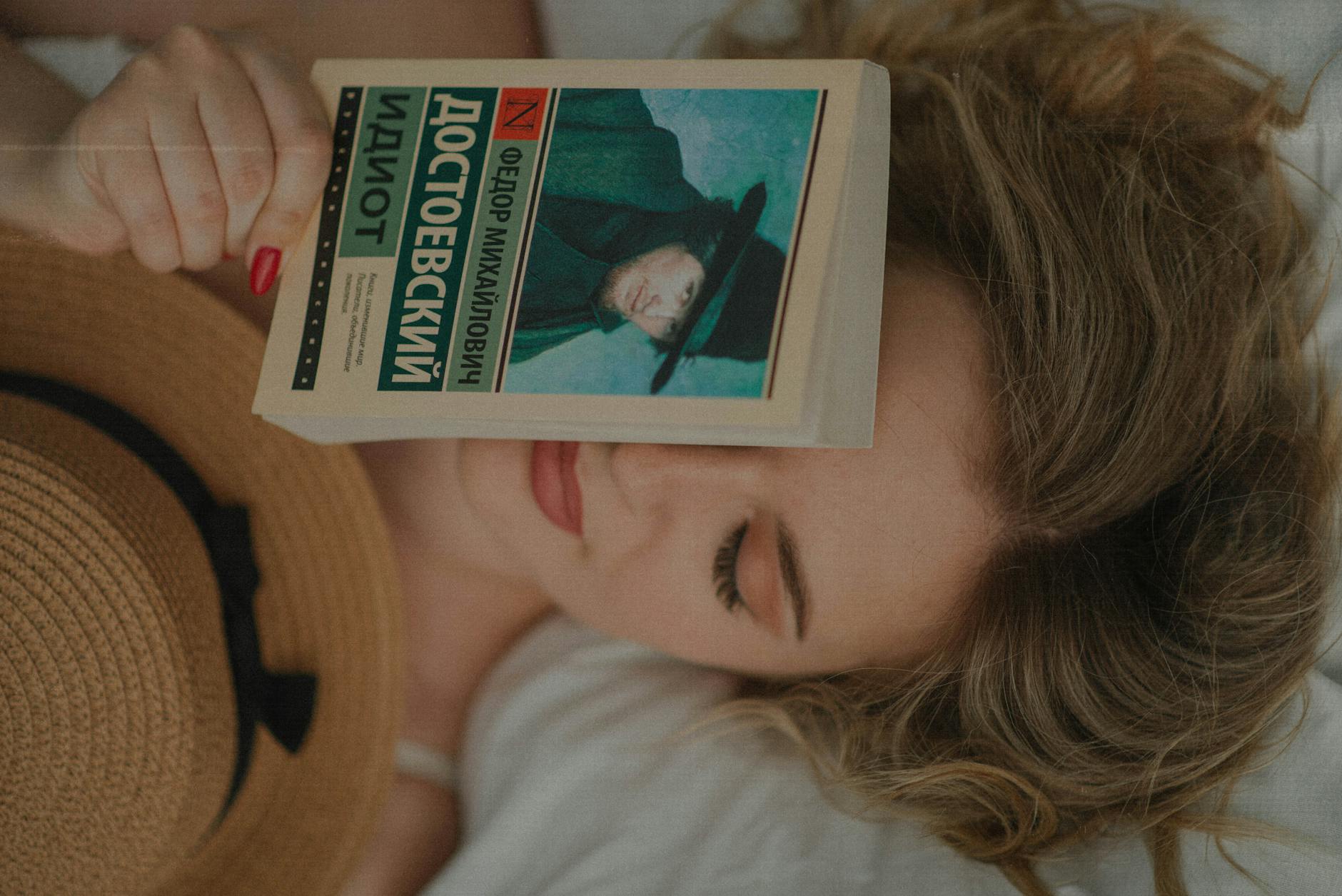
TL;DR 🚀
Make sure to check our deep dive on why this matters.
- Litfond is auctioning a 1935 edition of Dostoevsky’s “Demons.”
- The auction includes rare photos of Stalin’s descendants.
- This event highlights significant cultural artifacts from Russian history.
- Bidders can expect a diverse catalog, including autographed works and historical documents.
- Engaging with these items offers a unique perspective on Russia’s literary and political past.
On January 15, the auction house Litfond will unveil a catalog filled with rare literary treasures and historical documents. Among the highlights is a 1935 edition of Fyodor Dostoevsky’s iconic novel “Demons,” alongside unique photographs of Stalin’s descendants. This auction promises to be a fascinating glimpse into Russia’s rich cultural and intellectual legacy, providing a platform for collectors and history enthusiasts to acquire pieces that resonate with the complexities of Russian history.
A Glimpse into Literary History 📚
The upcoming auction at Litfond is not just about selling books; it’s about celebrating Russia’s literary heritage. Dostoevsky’s “Demons,” originally published in 1872, is a profound exploration of morality, politics, and the human psyche. The 1935 edition being auctioned is particularly significant, as it reflects the historical context of its time—an era marked by censorship and ideological battles. During the 1930s, Soviet authorities imposed strict controls over literature, leading to the suppression of many works that challenged the regime.
This specific edition of “Demons” is noteworthy not only for its literary merit but also for its survival through a tumultuous period in Russian history. The book delves into themes of nihilism and radicalism, which were particularly relevant during the rise of Stalin’s regime. Dostoevsky’s exploration of the darker aspects of human nature resonates with the political climate of the time, making this edition a valuable artifact for understanding the intersection of literature and politics.
In addition to the Dostoevsky novel, the auction will feature autographed works and rare photographs, including images of Stalin’s family. These artifacts provide a window into the past, showcasing the intertwining of literature and politics in Russia. Collectors and history enthusiasts alike will find value in these pieces, which represent a unique intersection of culture and power.
The Cultural Significance of Stalin’s Family Photos
The inclusion of Stalin family photographs in the auction adds another layer of intrigue. These images not only capture personal moments of one of history’s most controversial figures but also reflect the broader societal impacts of Stalin’s policies. For instance, the photographs may depict family gatherings, illustrating the human side of a leader often associated with oppression and terror. This juxtaposition invites collectors to ponder the complexities of historical narratives and the personal lives behind public personas.
The Auction Event Details 🎉
The auction will take place on January 15, and it promises to attract a diverse audience. From avid readers to history buffs, many will be eager to bid on these one-of-a-kind items. The catalog will include not only the Dostoevsky novel and Stalin family photos but also a variety of historical documents and manuscripts that span centuries.
For those interested in the auction, it’s a chance to own a piece of history. The items on offer are not just collectibles; they are testaments to the rich tapestry of Russian culture. The event will provide an opportunity to engage with the past in a tangible way, making it a must-attend for anyone passionate about literature and history.
The Broader Impact of Auctions on Cultural Preservation
Auctions like the one hosted by Litfond play a crucial role in cultural preservation. They not only provide a marketplace for rare items but also raise awareness about the importance of historical artifacts. By bringing attention to these pieces, the auction fosters a greater appreciation for Russia’s literary and political history. Moreover, it encourages collectors to consider the stories behind the items they acquire, promoting a deeper understanding of the cultural heritage they represent.
Quick Takeaways 📌
- The auction features a 1935 edition of Dostoevsky’s “Demons.”
- Historical documents and rare photographs of Stalin’s family will be available.
- This event highlights the cultural significance of Russia’s literary past.
- The auction serves as a platform for cultural preservation and awareness.
- Engaging with these artifacts offers insight into the complexities of Russian history.
FAQ ❔
What is the significance of the 1935 edition of “Demons”?
This edition is notable for its historical context, reflecting the political climate of the time and the challenges faced by writers under censorship. It serves as a critical lens through which to view the societal issues of the 1930s in Russia.
How can I participate in the auction?
Interested bidders can register through Litfond’s website and view the catalog of items available for auction. Bidding can often be done online, allowing for participation from around the world.
Are there other notable items in the auction?
Yes, the auction will also feature rare manuscripts, autographed books, and unique historical documents that showcase Russia’s rich cultural history. Each item tells a story, contributing to a broader understanding of the era.
What is the estimated value of the Dostoevsky novel?
While the exact value can vary based on condition and provenance, similar editions have been known to fetch prices ranging from several hundred to several thousand dollars, depending on collector interest.
The Litfond auction is set to be a landmark event, merging literature with history in a way that appeals to collectors and enthusiasts alike. Don’t miss out on the chance to explore these cultural artifacts that tell the story of Russia’s complex past.