
Putin Proposes New Rules for Electric Bike Use on Sidewalks
Russian President Putin has called for regulations on electric bike usage on sidewalks to enhance pedestrian safety. Discover why it matters and what happens ne
- BackZee
- 5 min read
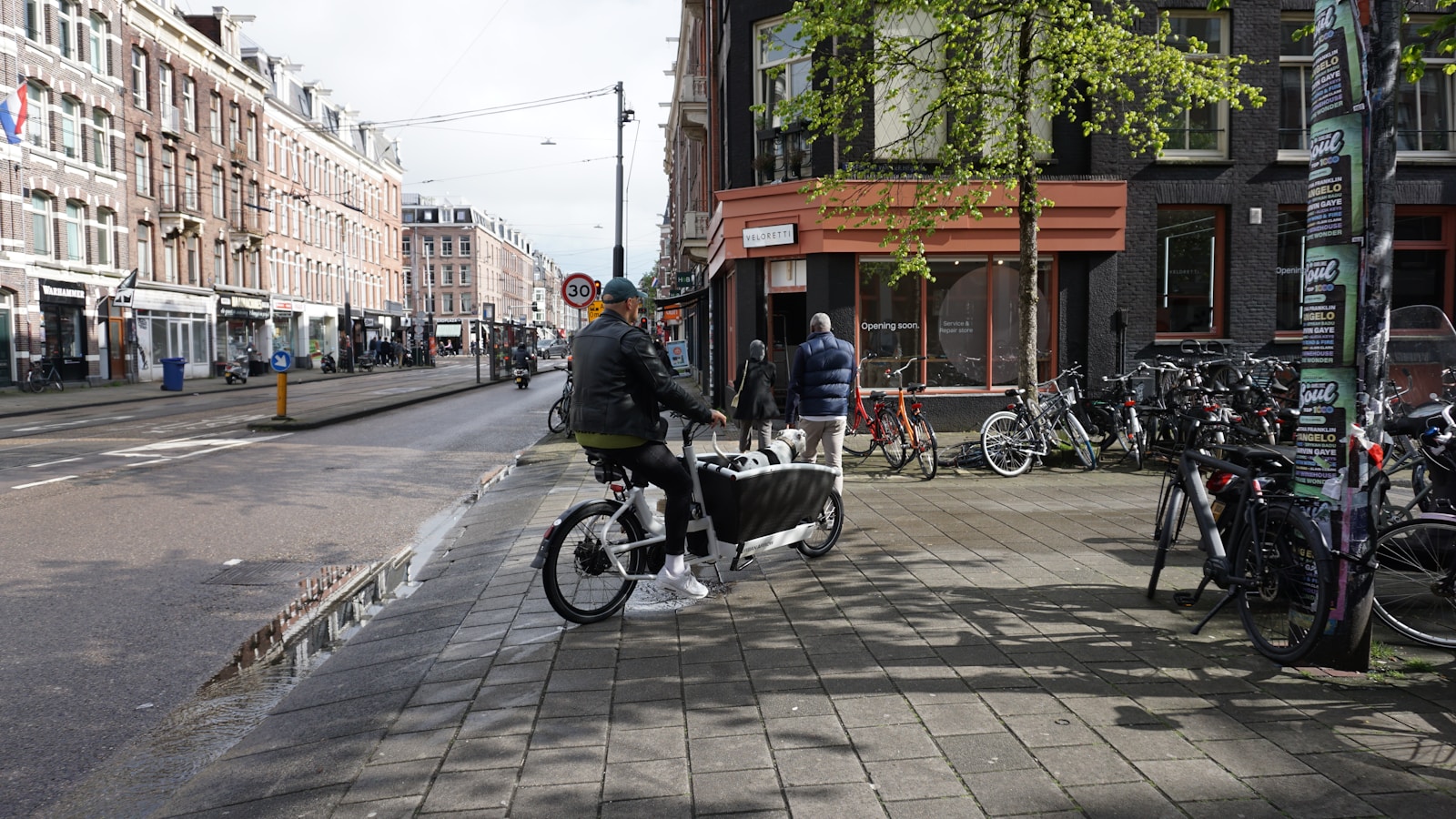
TL;DR 🚀
Make sure to check our deep dive on why this matters.
- Putin has initiated discussions on regulating electric bike usage.
- The focus is on enhancing pedestrian safety on sidewalks.
- New rules may reshape urban mobility in Russia.
- Increased electric bike usage has led to safety concerns.
- Potential regulations could promote sustainable urban transport.
In a recent move, Russian President Vladimir Putin has directed officials to explore the possibility of imposing restrictions on electric bicycles riding on sidewalks. This initiative aims to address growing concerns about pedestrian safety and the increasing presence of electric bikes in urban areas. With the rise of electric bikes, cities worldwide are grappling with the balance between promoting eco-friendly transport and ensuring the safety of pedestrians.
The Growing Concern 🚲
Electric bikes have surged in popularity, offering a convenient and eco-friendly mode of transport. In Russia, the electric bike market has seen a growth rate of approximately 20% annually over the last few years, reflecting a global trend where the demand for electric bikes is expected to reach 40 million units by 2025. However, as their numbers rise, so do the concerns about safety for pedestrians.
Cities like Moscow and St. Petersburg have reported an uptick in accidents involving electric bikes and pedestrians. A recent study indicated that pedestrian injuries related to electric bike collisions increased by 15% in urban areas over the past year. Many cities are grappling with how to integrate these vehicles into existing infrastructure without compromising the safety of those on foot.
The proposal from Putin comes amid reports of accidents involving electric bikes and pedestrians. Local authorities have been urged to assess the current regulations and consider implementing stricter guidelines. This could include designated lanes for electric bikes or even complete bans on sidewalk riding in certain areas.
Cultural Insights
In Russia, cycling has traditionally been less popular compared to Western countries, but the electric bike trend is changing that narrative. The cultural shift towards cycling is also influenced by a growing awareness of environmental issues and the desire for healthier lifestyles. However, this transition is complicated by the existing infrastructure, which often does not accommodate cyclists, leading to conflicts between cyclists and pedestrians.
Potential Impacts on Urban Mobility 🌆
If adopted, these regulations could significantly alter how electric bikes are used in cities across Russia. Urban planners might need to rethink existing road layouts to accommodate both cyclists and pedestrians safely. This could lead to the development of more bike lanes and pedestrian-friendly zones, promoting a balanced approach to urban mobility.
Moreover, the conversation around electric bike regulations ties into broader discussions about sustainable transport solutions. As cities aim to reduce carbon emissions, finding a harmonious coexistence between various modes of transport becomes crucial. For instance, cities like Amsterdam and Copenhagen have successfully integrated cycling into their urban transport systems, resulting in lower traffic congestion and improved air quality.
In Russia, the potential regulations could serve as a catalyst for similar changes. The government could also consider incentives for electric bike users, such as subsidies or tax breaks, to encourage more people to adopt this mode of transport while ensuring safety measures are in place.
Quick Takeaways 📌
- Putin’s directive highlights the need for pedestrian safety.
- Potential regulations could lead to designated bike lanes.
- The move reflects a larger trend towards sustainable urban transport.
- Increased electric bike usage necessitates a reevaluation of urban infrastructure.
- Cultural shifts in Russia are paving the way for a cycling-friendly environment.
FAQ ❔
Why is there a need for regulations on electric bikes?
As electric bikes become more common, incidents involving pedestrians have increased, prompting the need for regulations to ensure safety on sidewalks. The rise in accidents has raised alarms among city officials and citizens alike, indicating that without proper guidelines, the risks could outweigh the benefits of this eco-friendly transport.
What might these regulations entail?
Proposed regulations could include restrictions on sidewalk riding, designated bike lanes, and possibly speed limits for electric bikes in urban areas. Additionally, there may be requirements for safety gear, such as helmets, and mandatory registration for electric bikes to help monitor usage and compliance.
How could this impact urban infrastructure?
The introduction of new regulations may lead to significant changes in urban planning, including the creation of more bike lanes and pedestrian zones to enhance safety for all road users. Cities may also need to invest in public awareness campaigns to educate both cyclists and pedestrians about the new rules and promote safe practices.
Are there examples from other countries?
Yes, countries like the Netherlands and Germany have implemented successful regulations for electric bikes, including designated bike lanes and strict penalties for violations. These measures have contributed to a safer environment for both cyclists and pedestrians, providing a model for Russia to consider as it develops its own regulations.
What are the long-term benefits of regulating electric bikes?
Regulating electric bikes can lead to safer streets, reduced accidents, and a more organized urban transport system. In the long run, it can promote cycling as a viable alternative to cars, contributing to lower emissions, improved public health, and enhanced quality of life in urban areas.