
Polar Nights: Daylight Lasts Just 18 Minutes in Russia's Arctic
In Polar Zory, Russia, daylight today lasts only 18 minutes, highlighting extreme Arctic conditions. Discover why it matters for Gen-Z readers.
- BackZee
- 5 min read
TL;DR 🚀
Make sure to check our deep dive on why this matters.
- Polar Zory experiences only 18 minutes of daylight today.
- This phenomenon highlights the extreme conditions of the Arctic.
- Scientific insights reveal the impact of geography on daylight hours.
- Residents adapt through various strategies to cope with prolonged darkness.
- The winter solstice marks a significant cultural and environmental event in the Arctic.
In the remote town of Polar Zory, located in the Murmansk region of Russia, residents are facing a unique challenge today: only 18 minutes of daylight. This extreme situation, reported by TASS and explained by researcher Sergey Yazev, underscores the fascinating yet harsh realities of life in the Arctic during winter.
The Arctic’s Shortest Days 🌌
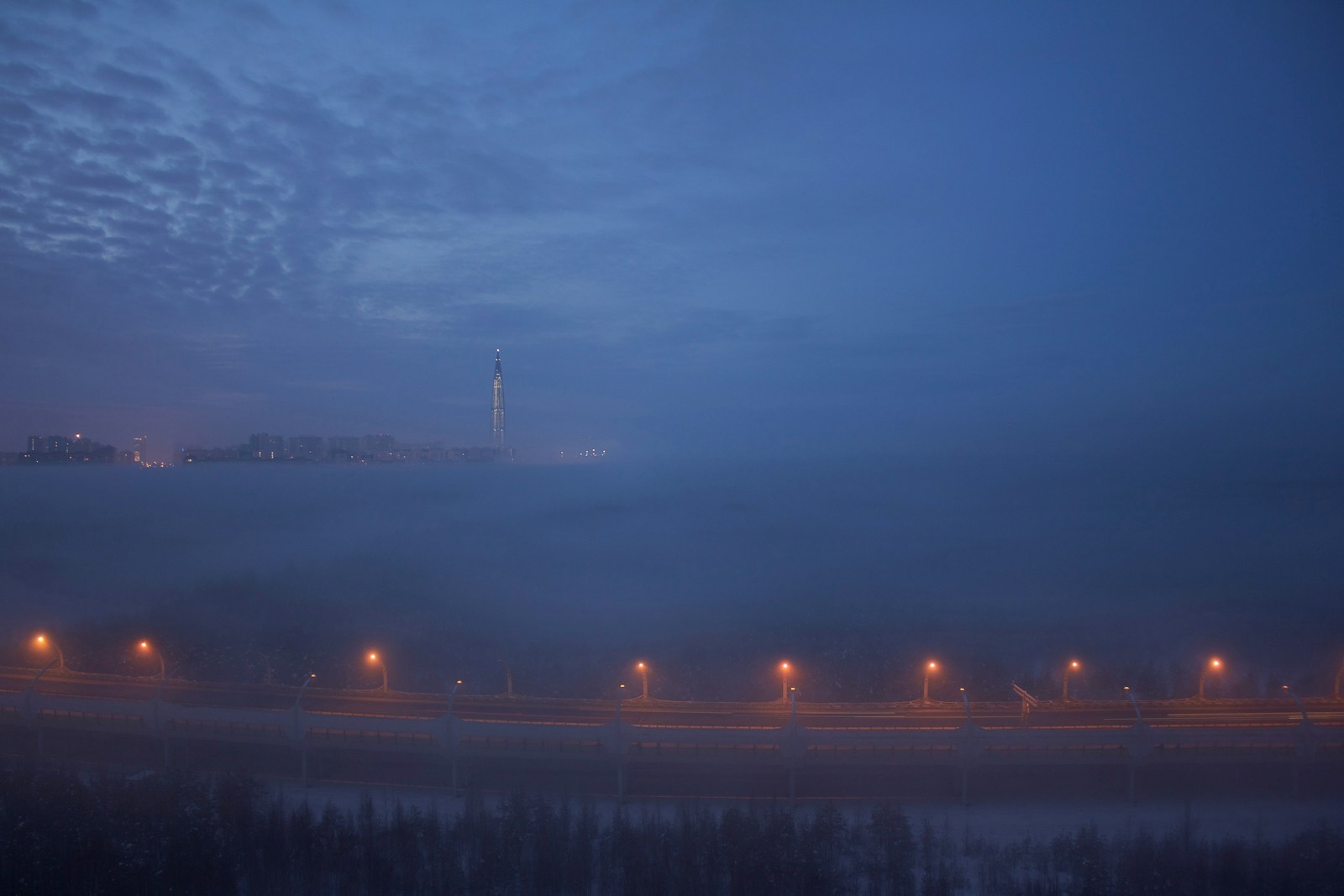
During this time of year, the Arctic regions experience drastically reduced daylight. In Polar Zory, the sun barely rises above the horizon, leading to an incredibly brief period of light. December 21st marks the winter solstice, the day with the least amount of sunlight, and in Polar Zory, this means just a fleeting glimpse of daylight.
The phenomenon is a result of the Earth’s tilt and its orbit around the sun. As winter sets in, areas above the Arctic Circle, like Polar Zory, are plunged into a prolonged darkness that can last for weeks. This extreme reduction in daylight can affect both the environment and the daily lives of the residents.
-
Geographical Factors: The town’s location plays a crucial role in its daylight hours. Polar Zory is situated at a latitude of approximately 69.4° N, placing it well above the Arctic Circle. This geographical positioning results in unique solar patterns that are starkly different from those experienced in more temperate regions.
-
Psychological Effects: Limited sunlight can lead to seasonal affective disorder (SAD) among residents. Studies indicate that around 10% of people living in northern latitudes experience SAD, which can lead to symptoms such as depression, fatigue, and irritability. The lack of natural light can disrupt circadian rhythms, further exacerbating these issues.
-
Adaptation Strategies: Locals often turn to bright lights and outdoor activities to combat the gloom. Many residents invest in light therapy lamps, which mimic natural sunlight and can help alleviate symptoms of SAD. Additionally, engaging in winter sports like skiing and snowshoeing allows residents to make the most of the limited daylight while enjoying the stunning Arctic landscape.
The Science Behind Daylight Hours 🔬
Understanding why Polar Zory experiences such extreme daylight variations requires a look into astronomical science. The Earth is tilted on its axis at an angle of approximately 23.5 degrees, which causes different regions to receive varying amounts of sunlight throughout the year. During winter, the Northern Hemisphere tilts away from the sun, leading to shorter days and longer nights.
In places like Polar Zory, this means that the sun’s rays barely touch the town, resulting in a stark contrast to regions closer to the equator. The impact of this phenomenon extends beyond just a lack of sunlight; it influences local wildlife, ecosystems, and even the economy. For instance, animals such as reindeer have adapted to these conditions by changing their feeding patterns and migration routes to cope with the harsh winter environment.
For those interested in the effects of extreme daylight variations, check out our related post on /posts/arctic-daylight-variations for a deeper dive into how these conditions shape life in the Arctic.
Quick Takeaways 📌
- Polar Zory’s daylight today lasts only 18 minutes.
- The winter solstice marks the shortest day of the year.
- The tilt of the Earth significantly affects daylight hours in the Arctic.
- Residents employ various strategies to cope with the psychological effects of prolonged darkness.
- The unique environmental conditions influence local wildlife and ecosystems.
FAQ ❔
Why does Polar Zory have such short days in December?
The short days are due to the Earth’s axial tilt, which causes regions above the Arctic Circle to receive minimal sunlight during winter. This phenomenon is most pronounced during the winter solstice, when the sun does not rise above the horizon for extended periods.
How do residents cope with the lack of daylight?
Many residents use bright artificial lights and engage in outdoor activities during the brief daylight hours to combat the effects of prolonged darkness. Community events, such as winter festivals and sports competitions, also help foster social connections and improve mental well-being.
What are the effects of limited sunlight on health?
Limited sunlight can lead to seasonal affective disorder (SAD), which affects mood and energy levels. Residents often seek ways to maintain their mental health during these dark months, including using light therapy, participating in physical activities, and maintaining social connections.
Are there any cultural practices associated with the winter solstice in Polar Zory?
Yes, the winter solstice is often celebrated with various cultural events that highlight the resilience of the community. Traditional feasts, storytelling, and winter sports competitions are common, allowing residents to come together and celebrate their heritage despite the harsh conditions.
In conclusion, the unique conditions in Polar Zory serve as a reminder of the extreme beauty and challenges of life in the Arctic. With only 18 minutes of daylight today, the town embodies the stark realities of winter in one of the most remote regions on Earth. The resilience and adaptability of its residents highlight the human spirit’s ability to thrive even in the most challenging environments.