
Why Peter the Great's Life Captivates Modern Russians
A deep dive into why Peter the Great remains a fascinating figure for many Russians today. Discover why it matters and what happens next. Большинство россиян сч
- BackZee
- 5 min read
TL;DR 🚀
Make sure to check our deep dive on why this matters.
- A recent survey reveals that most Russians find Peter the Great’s life story the most intriguing.
- His transformative impact on Russia continues to resonate with the public.
- The fascination stems from his ambitious reforms and dramatic life events.
- Peter’s narrative reflects the ongoing struggle for progress and modernization in contemporary Russia.
- His legacy serves as a source of inspiration for many, encouraging resilience and innovation.
Peter the Great, a towering figure in Russian history, has captured the imagination of many, especially in contemporary society. A recent survey indicates that a significant majority of Russians consider his biography to be the most compelling of all historical figures. This enduring interest highlights how his legacy shapes modern Russian identity.
The Allure of a Revolutionary Leader 🌟
Peter the Great’s life was anything but ordinary. Born in 1672, he ascended to the throne at a young age and embarked on a mission to modernize Russia. His reign was marked by bold reforms that transformed the nation into a formidable European power.
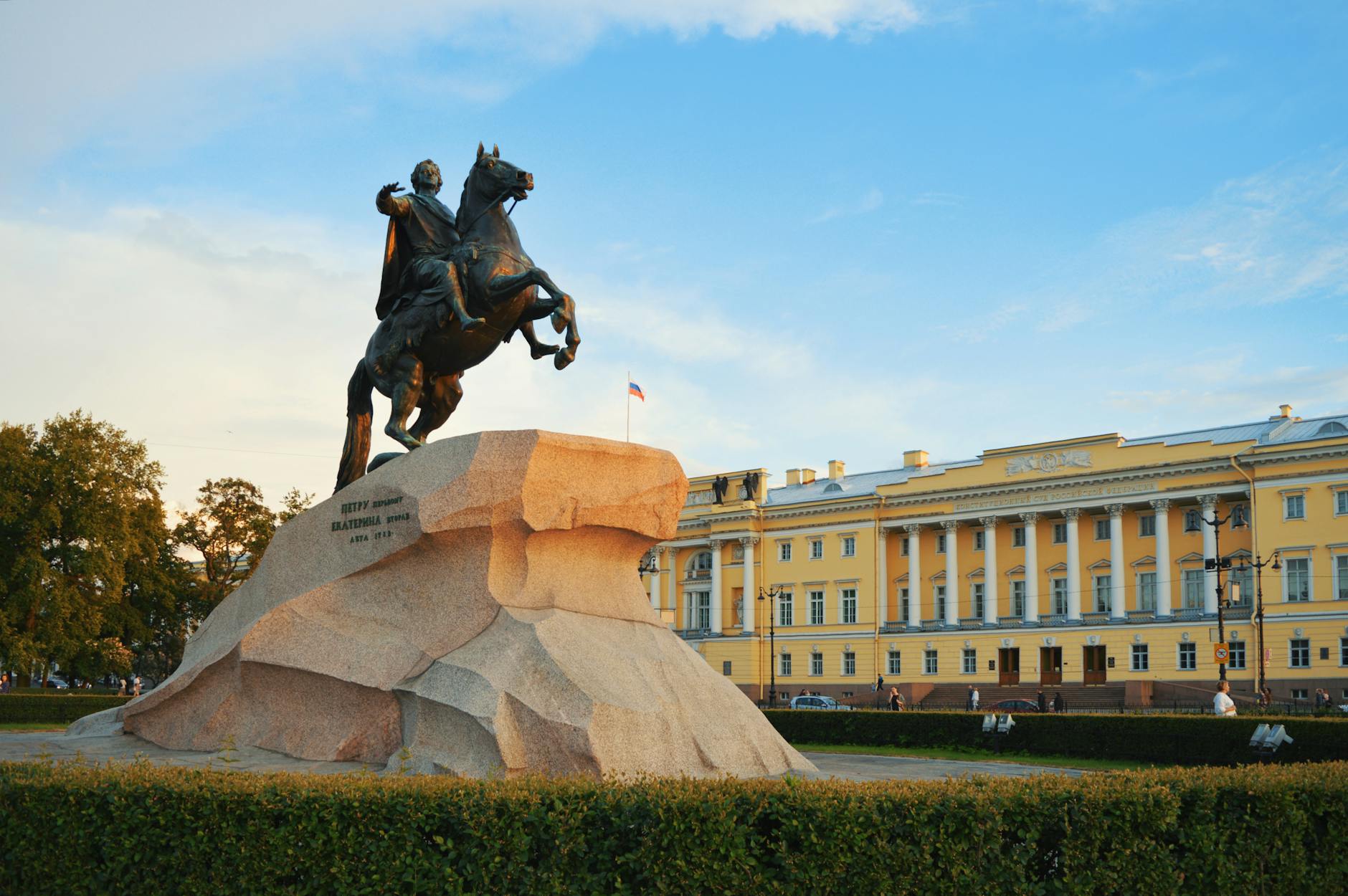
His efforts included the establishment of a navy, the introduction of Western-style governance, and the founding of St. Petersburg, which became a symbol of his vision. St. Petersburg, often referred to as the “Venice of the North,” was not just a city; it was a statement of intent, showcasing Russia’s aspirations to be a significant player on the European stage. The construction of the city was a monumental task, involving the labor of thousands, many of whom were serfs. This ambitious project reflects Peter’s determination to break away from the past and embrace a new future.
Many Russians today resonate with Peter’s story because it reflects a struggle for progress and a desire to break free from traditional constraints. His life embodies the tension between innovation and tradition, a theme that remains relevant in today’s fast-paced world. The challenges he faced, including opposition from conservative factions within Russia, mirror the modern-day struggles of individuals and leaders who seek to implement change in a society often resistant to it.
Why His Biography Stands Out 📚
The survey results reveal that Peter the Great’s biography is not just a tale of power; it’s a narrative filled with drama, ambition, and transformation. His personal life, including his tumultuous relationships and the challenges he faced, adds layers to his character that intrigue many. For instance, his relationship with his half-sister, Sophia, was fraught with political tension, as she sought to claim the throne for herself. This familial conflict highlights the personal sacrifices and political maneuvering that characterized Peter’s rise to power.
Moreover, Peter’s relentless pursuit of modernization resonates with contemporary Russians who are navigating their own societal changes. His story serves as a reminder of the sacrifices made for progress, making it relatable to those who strive for improvement in their own lives. The contrast between Peter’s vision and the traditionalist views of his time creates a compelling narrative that speaks to the heart of Russian identity.
In recent years, Russia has faced numerous challenges, including economic sanctions and political isolation. Many Russians draw parallels between their current struggles and Peter’s efforts to modernize and strengthen Russia in the face of adversity. His legacy serves as a beacon of hope, encouraging resilience and innovation in the face of challenges.
For those interested in exploring more about historical figures and their impact on modern society, check out our post on /posts/impact-of-historical-figures/.
Quick Takeaways 📌
- Peter the Great’s biography is seen as the most interesting among Russians.
- His life reflects a blend of ambition, innovation, and personal struggle.
- The ongoing relevance of his story speaks to contemporary societal challenges.
- His legacy inspires modern Russians to pursue progress despite obstacles.
- The dramatic elements of his life make his story relatable and compelling.
FAQ ❔
What were Peter the Great’s major reforms?
Peter the Great implemented numerous reforms, including modernizing the military, establishing a navy, and reorganizing the government to adopt Western practices. He also reformed the Russian Orthodox Church, reducing its power and aligning it more closely with state interests. These changes were pivotal in transitioning Russia into a major European power.
How did Peter the Great influence Russian culture?
His efforts to Westernize Russia introduced new cultural practices, art, and education systems, which significantly shaped Russian identity and culture. The introduction of the Julian calendar, the establishment of the Russian Academy of Sciences, and the promotion of secular education are just a few examples of his lasting influence. This influence is still evident in various aspects of Russian life today, from architecture to literature.
Why is Peter the Great a relevant figure today?
Peter the Great’s life story resonates with modern audiences due to its themes of transformation and resilience. His journey reflects the ongoing struggles for progress and modernization, making him a symbol of hope and ambition for many Russians. As the country continues to navigate its path in a rapidly changing world, Peter’s legacy serves as a reminder of the importance of innovation and the courage to challenge the status quo.
In conclusion, the fascination with Peter the Great’s biography underscores a deep connection between historical narratives and contemporary identity. As Russia continues to evolve, the lessons from his life remain significant, inspiring new generations to pursue their ambitions while navigating the complexities of change. His story is not just a chapter in history; it is a living narrative that continues to shape the Russian spirit today.