
Olympic Store Pulls Controversial 1936 Games Merchandise
The Olympic store has removed items featuring the 1936 Berlin Games logo after backlash over its historical context. Discover why it matters and what happens ne
- BackZee
- 5 min read
TL;DR 🚀
Make sure to check our deep dive on why this matters.
- Olympic store faces backlash over 1936 Games merchandise.
- Items were linked to Adolf Hitler’s regime.
- Store removes products after media criticism.
- The decision reflects a growing sensitivity to historical context.
- Similar controversies have arisen in other sports contexts.
In a significant move, the Olympic store has decided to withdraw merchandise featuring the logo of the 1936 Berlin Games, a decision prompted by public outcry regarding the historical implications of these items. The Games, held during Adolf Hitler’s rule, have long been a topic of controversy, and this recent action reflects a growing sensitivity to historical context in sports merchandising.
Historical Context 🕰️
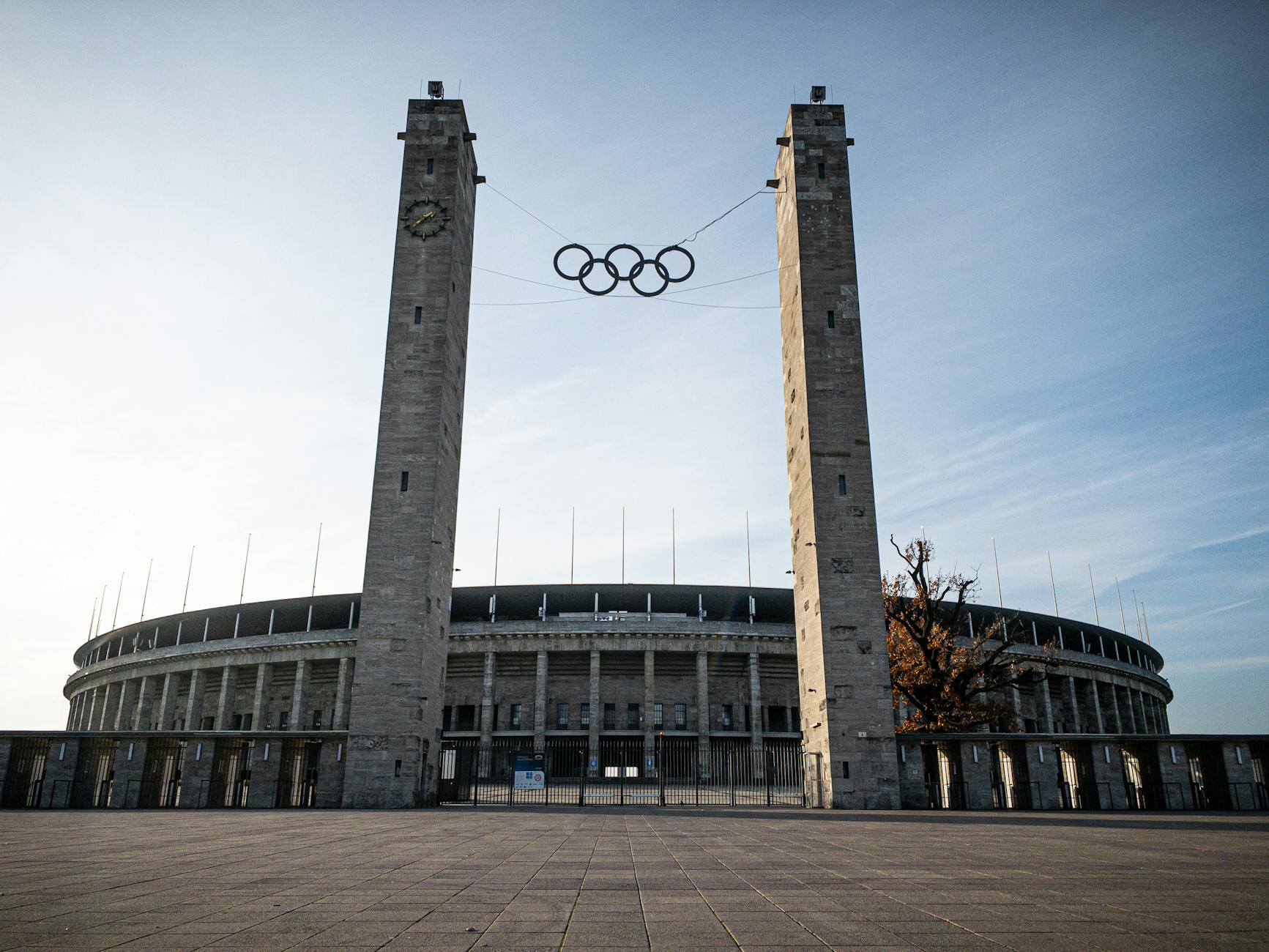
The 1936 Summer Olympics are infamous for their association with Nazi Germany and the propaganda used to promote the regime. Held in Berlin, these Games were not just a sporting event; they were a platform for showcasing Hitler’s ideologies. The event was marked by grandiose displays of nationalism and racial superiority, with the Nazi regime using the Olympics as a means to project an image of strength and unity.
The Games also featured notable athletes like Jesse Owens, an African American sprinter who won four gold medals, directly challenging the Nazi narrative of Aryan superiority. This juxtaposition of Owens’ triumph against the backdrop of a regime that sought to marginalize him adds layers to the historical significance of the 1936 Olympics.
Critics argue that selling such items trivializes the horrific history associated with the Nazi regime. The backlash intensified as various media outlets highlighted the implications of promoting merchandise that could be seen as glorifying a dark chapter in history. The store’s swift response to remove these items indicates a recognition of the need for sensitivity in the face of historical injustices.
The Backlash 📢
Following the media coverage, the Olympic store faced mounting pressure to reconsider its inventory. Social media users and historians voiced their concerns, emphasizing that selling items linked to the 1936 Games could be interpreted as an endorsement of the ideologies that fueled the event.
For instance, a viral tweet from a prominent historian highlighted the dangers of commodifying symbols associated with oppressive regimes. This sparked a broader conversation about the ethics of sports merchandising and the responsibility of organizations to acknowledge their historical context.
In light of this criticism, the store acted quickly to remove the controversial merchandise from its online platform. This decision aligns with a broader trend in sports and entertainment, where organizations are increasingly held accountable for their historical associations. For more on how history influences modern sports, check out our post on /posts/sports-history-impacts/.
Quick Takeaways 📌
- The 1936 Berlin Games were used as propaganda by the Nazi regime.
- Merchandise linked to these Games has been criticized for historical insensitivity.
- The Olympic store’s removal of these items reflects a growing awareness of historical context in sports.
- The incident underscores the importance of ethical considerations in sports merchandising.
- Similar controversies have arisen in other contexts, such as the NFL’s handling of team names and mascots.
Cultural Insights 🌍
The decision to pull the merchandise also resonates with a larger cultural movement towards recognizing and addressing historical injustices. In recent years, various organizations, including sports teams and brands, have faced scrutiny over their historical ties to racism, colonialism, and other forms of oppression.
For example, the Washington NFL team faced significant backlash over its previous name, which many considered derogatory towards Native Americans. The eventual change to the name “Washington Commanders” reflects a growing awareness of the impact of cultural symbols and the importance of inclusivity.
Moreover, the conversation around the 1936 Olympics and its merchandise is not just about the past; it also raises questions about how we engage with history today. As society grapples with issues of representation and accountability, the actions of the Olympic store serve as a reminder of the ongoing dialogue about how history is remembered and commodified.
FAQ ❔
Why are the 1936 Olympics controversial?
The 1936 Olympics are controversial due to their association with Nazi Germany and the propaganda used to promote Hitler’s regime during the event. This historical context makes merchandise related to the Games sensitive and problematic.
What prompted the Olympic store to remove the merchandise?
The Olympic store removed the merchandise after receiving backlash from the media and the public, who criticized the sale of items linked to a dark period in history. The decision reflects a growing awareness of the importance of historical context in sports.
How does this incident relate to modern sports merchandising?
This incident highlights the increasing scrutiny that sports organizations face regarding their historical associations. As society becomes more aware of past injustices, there is a push for sensitivity and accountability in how sports history is represented in merchandise and branding.
Are there other examples of merchandise being pulled due to historical insensitivity?
Yes, there have been several instances where merchandise has been removed or rebranded due to historical insensitivity. For example, various fashion brands have faced backlash for using imagery or symbols associated with colonialism or racism, prompting them to reevaluate their product lines.
How can consumers influence the conversation around historical merchandise?
Consumers play a crucial role in shaping the conversation around historical merchandise by voicing their opinions, supporting ethical brands, and demanding accountability from organizations. Social media platforms have become powerful tools for raising awareness and driving change in how history is represented in consumer products.