
New Predator Jellyfish to Debut at Moskvarium
Moskvarium is set to introduce a new species of Pacific jellyfish, known for its predatory nature. Discover more about this fascinating addition.
- BackZee
- 5 min read
TL;DR 🚀
Make sure to check our deep dive on why this matters.
- A new predatory jellyfish species is coming to Moskvarium.
- This jellyfish, known as the Pacific sea nettle, is a fascinating addition.
- Visitors can learn about its unique characteristics and habitat.
- The exhibit will highlight the ecological significance of jellyfish.
- Experience the mesmerizing bioluminescence of this species.
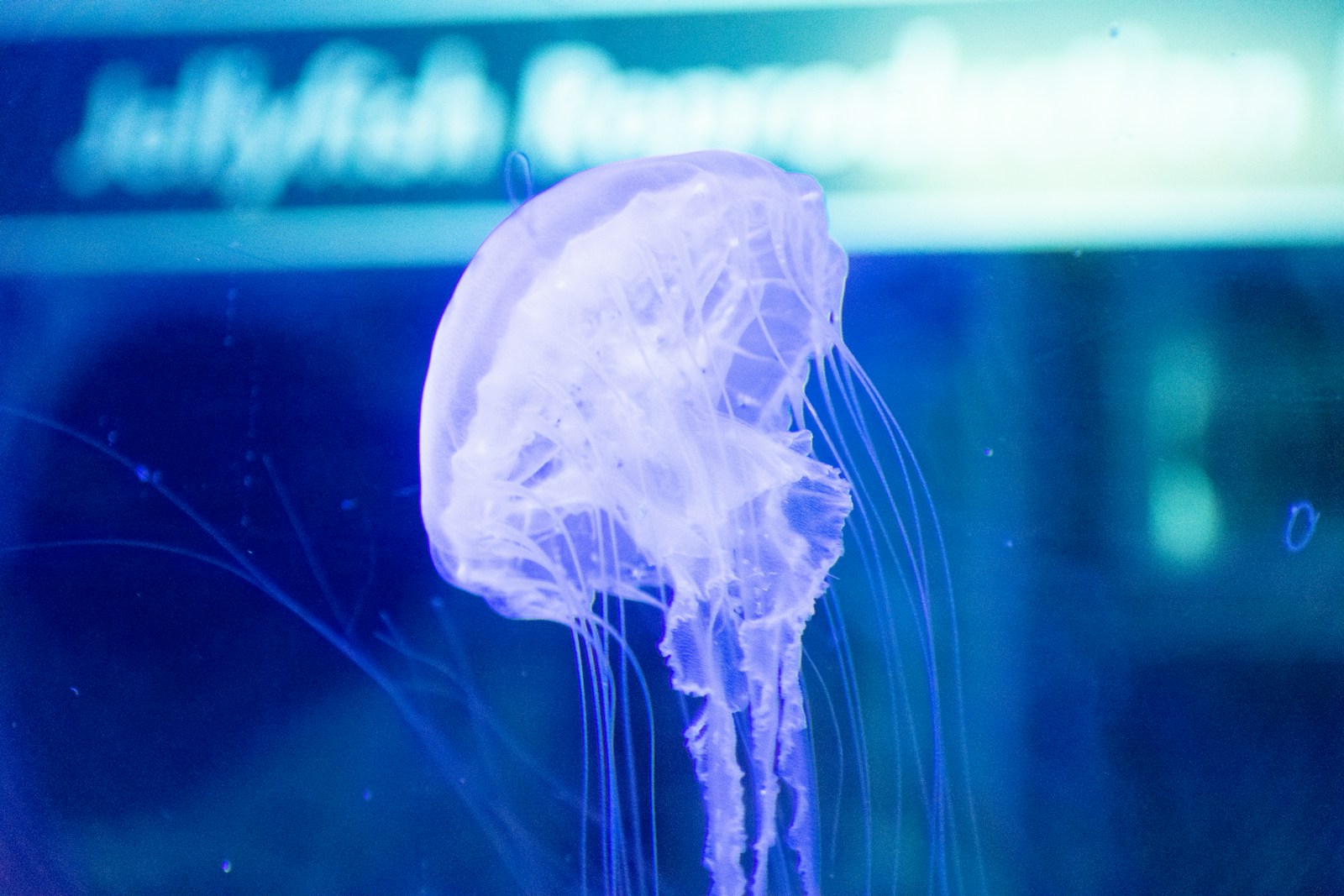
Moskvarium, the renowned aquarium in Moscow, is about to welcome an exciting new inhabitant: a predatory jellyfish species known as the Pacific sea nettle. This captivating creature is set to enhance the aquatic experience for visitors, showcasing the diverse and often mysterious life forms found in our oceans. As one of the largest jellyfish species, the Pacific sea nettle can reach up to 1 meter (3.3 feet) in diameter, making it a striking addition to the aquarium’s collection.
Meet the Pacific Sea Nettle 🌊
The Pacific sea nettle is not your average jellyfish; it’s a predator that thrives in the waters of the Pacific Ocean. With its long, flowing tentacles and striking appearance, this jellyfish is both beautiful and formidable. Known for its stinging cells, the Pacific sea nettle captures prey, making it an essential part of the marine ecosystem.
Visitors to Moskvarium will have the chance to observe this jellyfish up close. The exhibit will highlight its unique hunting techniques and the role it plays in maintaining the balance of ocean life. The Pacific sea nettle primarily feeds on small fish and plankton, showcasing its adaptability in various marine environments. In fact, studies have shown that jellyfish populations can fluctuate dramatically, with some regions experiencing blooms that can reach densities of over 100,000 individuals per cubic meter, which can significantly impact local fisheries and ecosystems.
Additionally, the exhibit will provide insights into the jellyfish’s life cycle, including its fascinating transformation from a polyp to a free-swimming medusa. This educational aspect is crucial for raising awareness about marine biodiversity and the importance of jellyfish in ocean ecosystems. The life cycle of the Pacific sea nettle is particularly intriguing, as it begins with a sessile polyp that can reproduce asexually before eventually developing into the medusa stage, where it can reproduce sexually.
Why Jellyfish Matter 🐙
Jellyfish, including the Pacific sea nettle, are often misunderstood creatures. They play a vital role in the ocean’s food web and contribute to the health of marine environments. By introducing this species, Moskvarium aims to educate the public about the ecological significance of jellyfish and their interactions with other marine life.
The Pacific sea nettle is particularly interesting due to its bioluminescent properties. When disturbed, it can emit a soft glow, a feature that not only fascinates onlookers but also serves as a defense mechanism against predators. This captivating display is just one of the many reasons to visit the exhibit. In addition to their beauty, jellyfish can also indicate changes in ocean health, as their populations often respond to environmental changes such as temperature and salinity.
Cultural Insights
In various cultures, jellyfish have been both revered and feared. In Japan, jellyfish are considered a delicacy, often served in salads or as sashimi. Meanwhile, in some coastal communities, jellyfish blooms can disrupt fishing activities, leading to economic challenges. The dual nature of jellyfish as both a food source and a nuisance highlights the complex relationship humans have with these fascinating creatures.
Quick Takeaways 📌
- The Pacific sea nettle is a predatory jellyfish species.
- It plays a crucial role in the marine ecosystem.
- Visitors can learn about its life cycle and bioluminescence.
- The jellyfish’s population dynamics can impact local fisheries.
- Cultural perceptions of jellyfish vary widely across different societies.
FAQ ❔
What is the Pacific sea nettle?
The Pacific sea nettle is a species of jellyfish known for its long tentacles and predatory nature. It primarily feeds on small fish and plankton, making it an important part of the marine food web.
How does the Pacific sea nettle capture its prey?
This jellyfish uses its stinging cells, called nematocysts, located on its tentacles to paralyze and capture its prey. This adaptation allows it to efficiently hunt in its natural habitat.
Why are jellyfish important to marine ecosystems?
Jellyfish play a vital role in ocean ecosystems by serving as both predators and prey. They help regulate populations of smaller marine organisms and are a food source for larger animals, including sea turtles and some fish species.
How can jellyfish populations affect human activities?
Jellyfish blooms can have significant impacts on fishing industries by clogging nets and reducing fish populations. Conversely, they can also serve as indicators of ocean health, alerting scientists to changes in marine environments.
What can visitors expect from the exhibit at Moskvarium?
Visitors can expect an immersive experience that showcases the beauty and complexity of the Pacific sea nettle, including interactive displays about its life cycle, feeding habits, and ecological role. The exhibit will also feature stunning visuals of the jellyfish’s bioluminescence, making it a must-see attraction.
In summary, the introduction of the Pacific sea nettle at Moskvarium is not just about showcasing a new species; it’s an opportunity to educate the public about the wonders of marine life. By understanding these creatures, we can better appreciate the complexity of our oceans and the importance of conservation efforts. Make sure to check out this exciting new exhibit and dive into the world of jellyfish!