
New Bee Species Discovered in Western Australia: A Sweet Surprise
Researchers unveil a previously unknown bee species in Western Australia, shedding light on biodiversity. Learn more about this exciting discovery.
- BackZee
- 4 min read
TL;DR 🚀
Make sure to check our deep dive on why this matters.
- Scientists have identified a new species of bee in Western Australia.
- The discovery was published in the Journal of Hymenoptera Research.
- This finding highlights the importance of biodiversity in ecosystems.
- Bees are vital for pollinating approximately 75% of the world’s flowering plants.
- Conservation efforts are crucial to protect these essential pollinators.
In an exciting development for entomology, researchers have unveiled a previously unknown species of bee in Western Australia. This discovery not only adds to the rich tapestry of biodiversity in the region but also emphasizes the critical role bees play in our ecosystems. With over 20,000 known species of bees globally, the identification of a new species underscores the vast, yet often overlooked, diversity of life on Earth.
A Buzzing Discovery 🐝
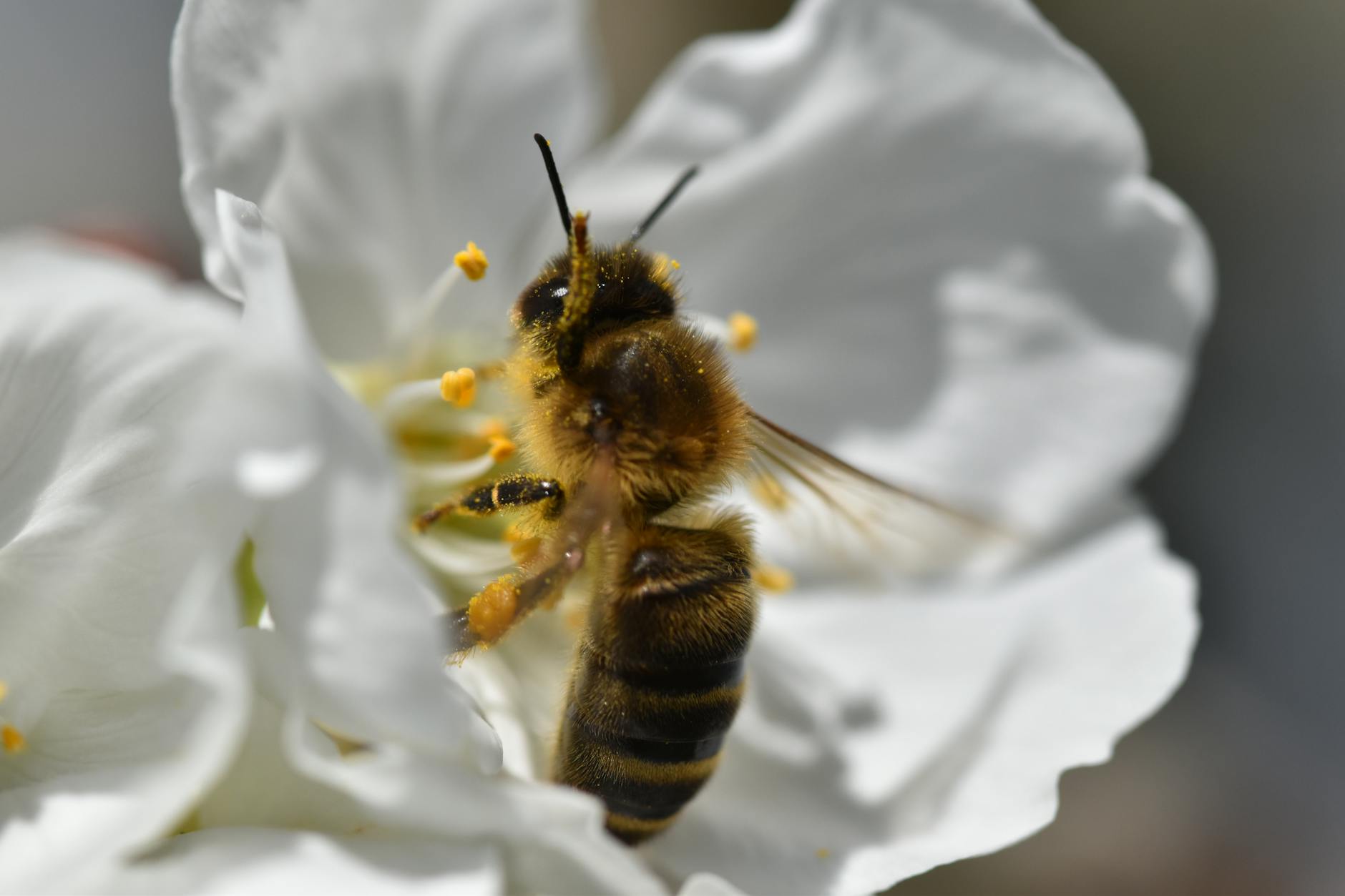
The newly identified bee species was found during a research expedition in Western Australia, a region known for its unique flora and fauna. The scientists involved in the study were thrilled to document this new addition to the bee family, which showcases the incredible diversity of life that still exists on our planet.
Bees are essential pollinators, and their presence is vital for the health of ecosystems and agriculture. In fact, it is estimated that bees contribute to the pollination of approximately 75% of the world’s flowering plants, including many crops that humans rely on for food. The researchers noted that this species exhibits distinct characteristics that set it apart from other known bees. They are particularly interested in understanding the ecological role this new species will play in its habitat.
Key Characteristics of the New Species
- Unique coloration and markings: The new species displays vibrant colors that help it blend into its natural habitat, providing camouflage from predators.
- Specific nesting behaviors: Unlike many bees that build hives, this species prefers to nest in the ground, utilizing local soil types to create protective environments for their larvae.
- Adaptations to local flora: This bee has developed specialized mouthparts that allow it to access nectar from specific native plants, highlighting its role in the local ecosystem.
The Importance of Biodiversity 🌍
This discovery is a reminder of the importance of biodiversity in maintaining healthy ecosystems. Bees contribute significantly to pollination, which is crucial for the reproduction of many plants. The loss of bee species can lead to a decline in plant diversity, affecting entire ecosystems. Research indicates that a decline in bee populations can lead to a 30% reduction in crop yields, which poses a significant threat to food security.
As researchers continue to explore the biodiversity of Western Australia, they are uncovering more about the intricate relationships between species and their environments. This new bee species is just one example of how much we still have to learn about the natural world. For more insights on biodiversity, check out our post on /posts/biodiversity-importance/.
Cultural Insights
In Australia, bees hold a special cultural significance. Indigenous Australians have long recognized the importance of bees in their traditional practices, using honey for medicinal purposes and as a food source. The discovery of a new species not only adds to the scientific understanding but also enriches the cultural narrative surrounding these vital insects.
Quick Takeaways 📌
- New bee species discovered in Western Australia.
- Highlights the urgent need for biodiversity conservation.
- Essential for pollination and ecosystem health.
- Cultural significance of bees in Indigenous Australian practices.
- Ongoing research is vital for understanding and protecting bee populations.
FAQ ❔
What makes this bee species unique?
This new species has distinct physical traits and behaviors that differentiate it from other known bees. Its specific adaptations to the local environment, such as unique nesting habits and specialized feeding mechanisms, are particularly noteworthy.
Why are bees important to ecosystems?
Bees are crucial pollinators, helping to fertilize plants and ensure the production of fruits and seeds. Their decline can significantly impact food production and plant diversity. In fact, the economic value of bees as pollinators is estimated to be around $15 billion annually in the United States alone.
How can we help protect bee populations?
Supporting local conservation efforts, planting bee-friendly gardens, and reducing pesticide use are effective ways to help protect bee populations and their habitats. Additionally, educating communities about the importance of bees can foster a culture of conservation.
What are the threats to bee populations?
Bee populations face numerous threats, including habitat loss due to urbanization and agricultural expansion, pesticide exposure, climate change, and diseases. Understanding these threats is crucial for developing effective conservation strategies.
How does this discovery impact future research?
The identification of a new bee species opens up avenues for further research into its ecological role, behaviors, and interactions with other species. It also raises awareness about the need for ongoing biodiversity studies, particularly in biodiverse regions like Western Australia.