
Museum Mishap: Visitor Fined for Sitting on Historic Throne
A visitor to the Hermitage faces a hefty fine for sitting on a historic throne, raising questions about museum etiquette and preservation. Discover why it matte
- BackZee
- 4 min read
TL;DR 🚀
Make sure to check our deep dive on why this matters.
- A visitor was fined 847,000 rubles for sitting on a throne.
- The incident occurred at the Hermitage Museum in St. Petersburg.
- This case highlights the importance of respecting museum artifacts.
- The fine serves as a warning about the consequences of disrespecting cultural heritage.
- Museums may need to rethink their visitor engagement strategies to prevent similar incidents.
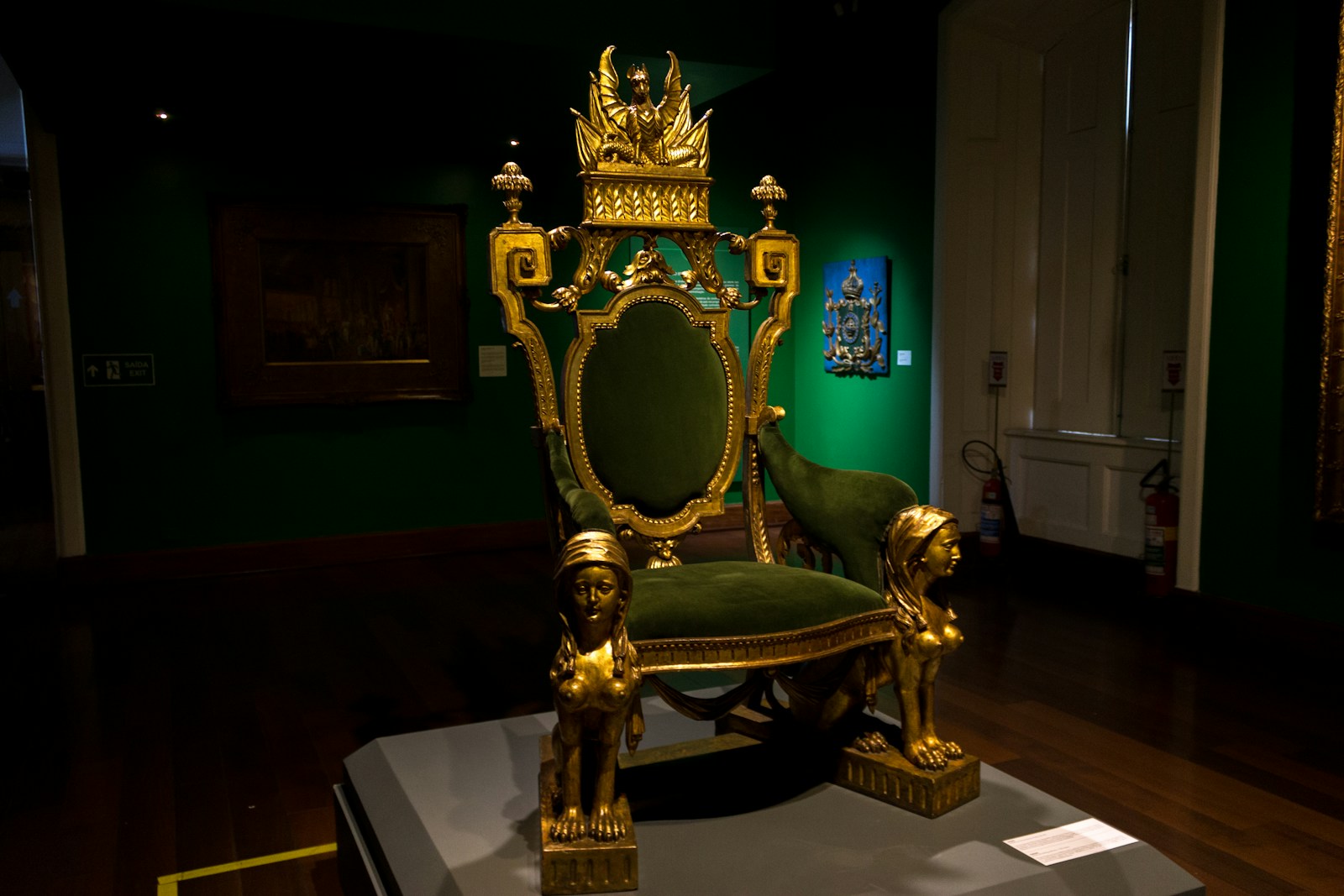
In a bizarre turn of events, a visitor to the renowned Hermitage Museum in St. Petersburg has been slapped with a staggering fine of 847,000 rubles for sitting on the throne of Emperor Paul I. This incident has sparked discussions about the responsibility of museum-goers and the preservation of cultural heritage. The throne, a symbol of imperial power and history, was not merely a decorative piece; it was an artifact that encapsulated the legacy of a bygone era.
The Incident Unfolds 🎭
The visitor, identified as Alexander Drobychev, found himself in hot water after taking a seat on the historic throne, an act that led to significant damage. The Kalinin District Court ruled against him, emphasizing the need for strict adherence to museum rules. This hefty fine serves as a reminder that artifacts are not just for display; they are valuable pieces of history that require protection.
The Hermitage, one of the largest and oldest museums in the world, houses countless treasures, including works by Rembrandt, Michelangelo, and Da Vinci. With over 3 million items in its collection, the museum attracts millions of visitors each year. Visitors are often reminded to respect the exhibits, but this incident raises questions about how such rules are enforced. Could better signage or staff presence prevent similar occurrences in the future?
In the wake of this incident, museum officials are considering implementing more stringent measures to safeguard their collections. For instance, the introduction of interactive digital displays that educate visitors about the significance of artifacts could enhance awareness and respect for the items on display.
The Legal Ramifications ⚖️
The court’s decision has drawn attention not only for its financial implications but also for its broader impact on museum policies. The fine of 847,000 rubles (approximately $11,500) is a clear message that disrespecting cultural heritage can lead to severe consequences.
This case is not isolated; museums worldwide are grappling with how to maintain the integrity of their collections while accommodating curious visitors. For example, the British Museum has faced similar challenges, where visitors have inadvertently damaged artifacts due to a lack of understanding of their value. In response, many institutions are now investing in visitor education programs and enhanced security measures.
Quick Takeaways 📌
- The fine reflects the importance of preserving cultural artifacts.
- Museums face challenges in enforcing visitor rules.
- This incident may influence future museum policies.
- Enhanced visitor education and engagement strategies are essential.
- The incident underscores the need for cultural sensitivity among visitors.
Cultural Insights 🌍
The incident at the Hermitage is emblematic of a broader cultural challenge faced by museums globally. In many cultures, artifacts are seen as sacred, embodying the history and identity of a people. For instance, in Indigenous cultures, artifacts are often considered living entities, carrying the spirits of ancestors. This perspective emphasizes the need for visitors to approach such items with reverence and respect.
In Russia, the Hermitage is not just a museum; it is a national treasure that reflects the country’s rich history and artistic heritage. The throne of Emperor Paul I, crafted in the early 19th century, is a prime example of the opulence of the Russian Empire. It serves as a reminder of the power dynamics and cultural narratives that shaped the nation. The incident has reignited discussions about the importance of cultural education and the role of museums in fostering a sense of responsibility among visitors.
FAQ ❔
What exactly happened at the Hermitage?
A visitor sat on the throne of Emperor Paul I, causing damage that led to a significant fine imposed by the court.
Why was the fine so high?
The fine reflects the value of the damaged artifact and serves as a deterrent against similar actions in the future. The Hermitage has a responsibility to protect its collection, and the financial penalty underscores the seriousness of the offense.
How can museums prevent such incidents?
Museums can enhance visitor education, improve signage, and increase staff presence to ensure that artifacts are respected and preserved. Additionally, incorporating technology, such as augmented reality experiences, can engage visitors while educating them about the significance of the items on display.
What are the broader implications of this incident?
This incident raises awareness about the need for cultural sensitivity and respect for historical artifacts. It may prompt museums worldwide to reevaluate their visitor engagement strategies and reinforce the importance of preserving cultural heritage.
How do other museums handle visitor interactions with artifacts?
Many museums employ a combination of strategies, including interactive exhibits, guided tours, and strict rules regarding physical interaction with artifacts. Some institutions have implemented “no-touch” policies to minimize the risk of damage, while others focus on creating immersive experiences that educate visitors about the importance of preservation.