
Moscow Drivers Urged to Switch to Winter Tires by October 27
Moscow's meteorological chief advises drivers to change to winter tires by October 27 for safety during the cold months. Discover why it matters for Gen-Z reade
- BackZee
- 5 min read
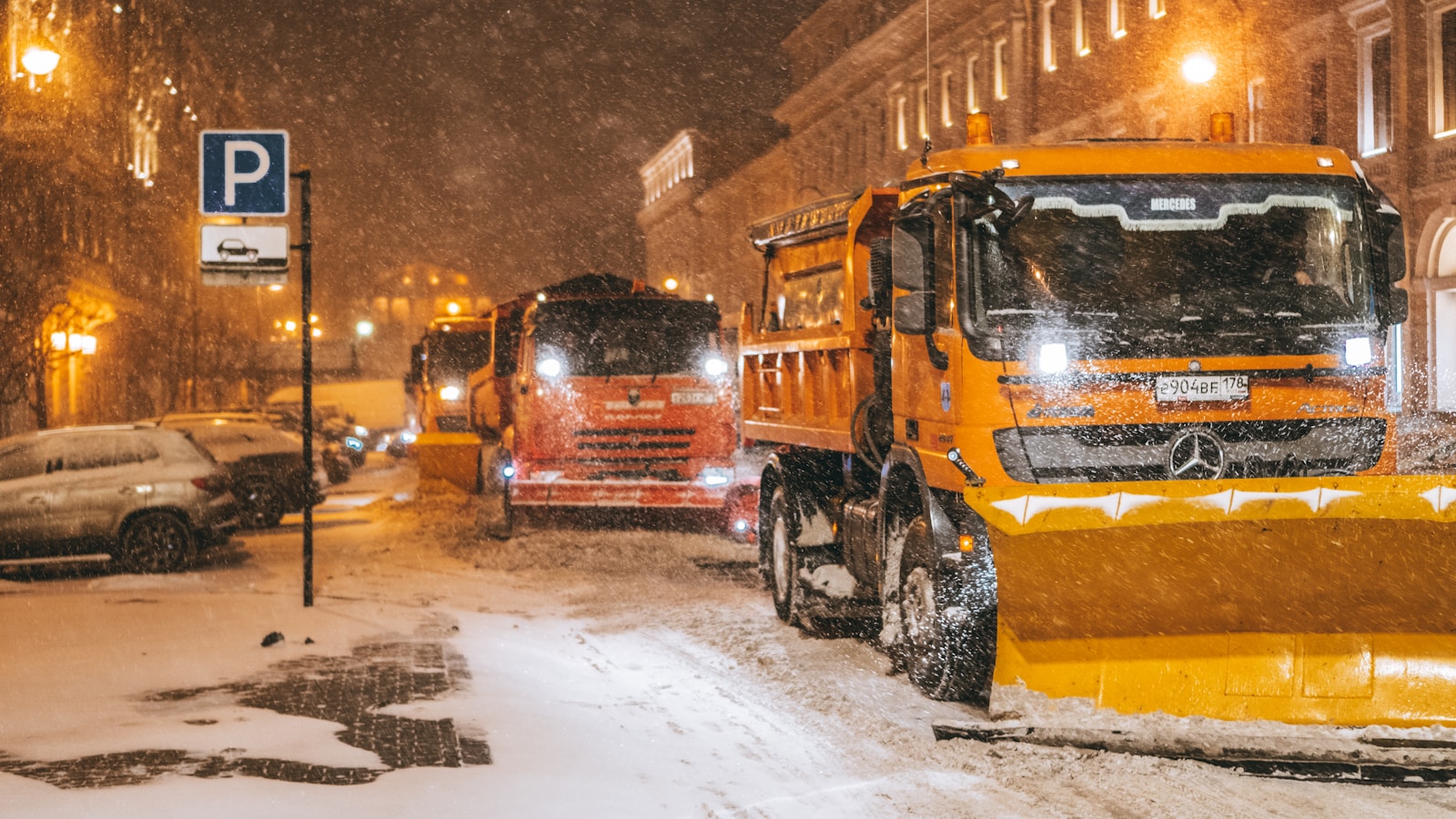
TL;DR 🚀
Make sure to check our deep dive on why this matters.
- Moscow’s meteorological chief recommends winter tire change.
- Deadline for switching is October 27.
- Ensuring safety on icy roads is crucial.
- Winter tires improve vehicle performance significantly.
- Regular vehicle maintenance is essential for winter readiness.
As winter approaches, Moscow’s drivers are being urged to prepare for the colder months by switching from summer to winter tires. This recommendation comes from Romain Vilfand, the head of Russia’s meteorological center, who emphasizes the importance of safety as temperatures drop. With average temperatures in Moscow plummeting to around -10°C (14°F) during the coldest months, the need for appropriate tire choices becomes even more pressing.
Time to Change Those Tires! ❄️
With the chilly season just around the corner, Moscow residents need to be proactive about their vehicle maintenance. Romain Vilfand has officially announced that drivers should make the switch to winter tires by October 27. This advice is crucial as winter weather can bring icy conditions that make driving hazardous.
According to statistics from the Moscow Traffic Safety Department, winter months see a significant increase in road accidents, with icy conditions contributing to nearly 30% of all winter-related incidents. This underscores the importance of taking Vilfand’s advice seriously.
Winter tires are specifically designed to provide better traction and control on slippery surfaces. They feature a unique tread pattern and softer rubber compounds that remain effective even in freezing temperatures. Switching to winter tires not only enhances safety but also improves overall vehicle performance during the harsh winter months.
Why Winter Tires Matter
- Enhanced Grip: Winter tires offer superior traction on snow and ice, which is critical for safe driving.
- Shorter Stopping Distances: They help reduce stopping distances in cold conditions, which can be the difference between a near miss and a collision.
- Improved Handling: Better handling means safer driving in adverse weather, allowing drivers to maintain control even in challenging conditions.
The Science Behind Winter Tires
Winter tires are made from a different rubber compound than summer tires, which allows them to remain flexible in low temperatures. This flexibility is crucial for maintaining grip on icy and snowy roads. Additionally, the tread patterns on winter tires are designed to channel snow and slush away from the tire, further enhancing traction.
In fact, studies have shown that vehicles equipped with winter tires can stop up to 30% shorter on icy roads compared to those with all-season tires. This statistic is particularly relevant for urban areas like Moscow, where quick stops may be necessary due to sudden traffic changes or pedestrians.
Prepare for Winter Driving 🚗
As the weather changes, it’s essential for drivers to be aware of the potential hazards on the road. Vilfand’s reminder serves as a timely alert for those who may overlook this important aspect of vehicle safety.
In addition to changing tires, drivers should also consider other winter preparations, such as checking their battery, ensuring their windshield wipers are functional, and keeping an emergency kit in their vehicles. An emergency kit should include items such as a flashlight, blankets, a first-aid kit, and non-perishable snacks. For more tips on winter driving, check out our post on /posts/winter-driving-safety.
Cultural Insights on Winter Driving in Moscow
In Russia, winter driving is often viewed as a rite of passage. Many drivers take pride in their ability to navigate the icy streets, but this can lead to overconfidence. It’s essential to remember that even experienced drivers can face challenges when conditions worsen. The camaraderie among drivers often leads to informal sharing of tips and experiences, but safety should always come first.
Quick Takeaways 📌
- Winter tires are crucial for safe driving in icy conditions.
- The deadline for changing tires in Moscow is October 27.
- Regular vehicle maintenance can prevent accidents during winter.
- Understanding the science behind winter tires can help drivers make informed decisions.
- Cultural attitudes towards winter driving can influence safety practices.
FAQ ❔
When should I change to winter tires?
It’s recommended to switch to winter tires by October 27 to ensure optimal safety as temperatures drop. Many drivers in Moscow start this process as early as mid-October to avoid the rush.
What are the benefits of winter tires?
Winter tires provide better traction, shorter stopping distances, and improved handling on icy and snowy roads. They are specifically designed to perform well in temperatures below 7°C (45°F).
Can I use all-season tires in winter?
While all-season tires can perform adequately in mild winter conditions, they do not offer the same level of safety and performance as dedicated winter tires in severe weather. In fact, using all-season tires in harsh winter conditions can lead to longer stopping distances and reduced control.
How can I prepare my vehicle for winter?
In addition to changing to winter tires, check your battery, inspect your brakes, ensure your windshield wipers are functional, and keep an emergency kit in your vehicle. Regular maintenance checks can help prevent breakdowns during the winter months.
As the cold season approaches, taking these proactive steps can make all the difference in ensuring safe travels. Don’t wait until the first snowfall—make your tire change a priority and drive safely this winter!