
Moscow's Early 2026 Weather: Colder Than Usual Norms
Moscow experiences an unusually cold start to 2026, defying climate norms and impacting daily life. Discover why it matters for Gen-Z readers.
- BackZee
- 4 min read
TL;DR 🚀
Make sure to check our deep dive on why this matters.
- Moscow’s early 2026 temperatures are below average.
- The cold snap is affecting daily routines and activities.
- Experts are analyzing the implications of this weather trend.
- Heating costs are rising, impacting household budgets.
- Long-term climate change may lead to more frequent cold snaps.
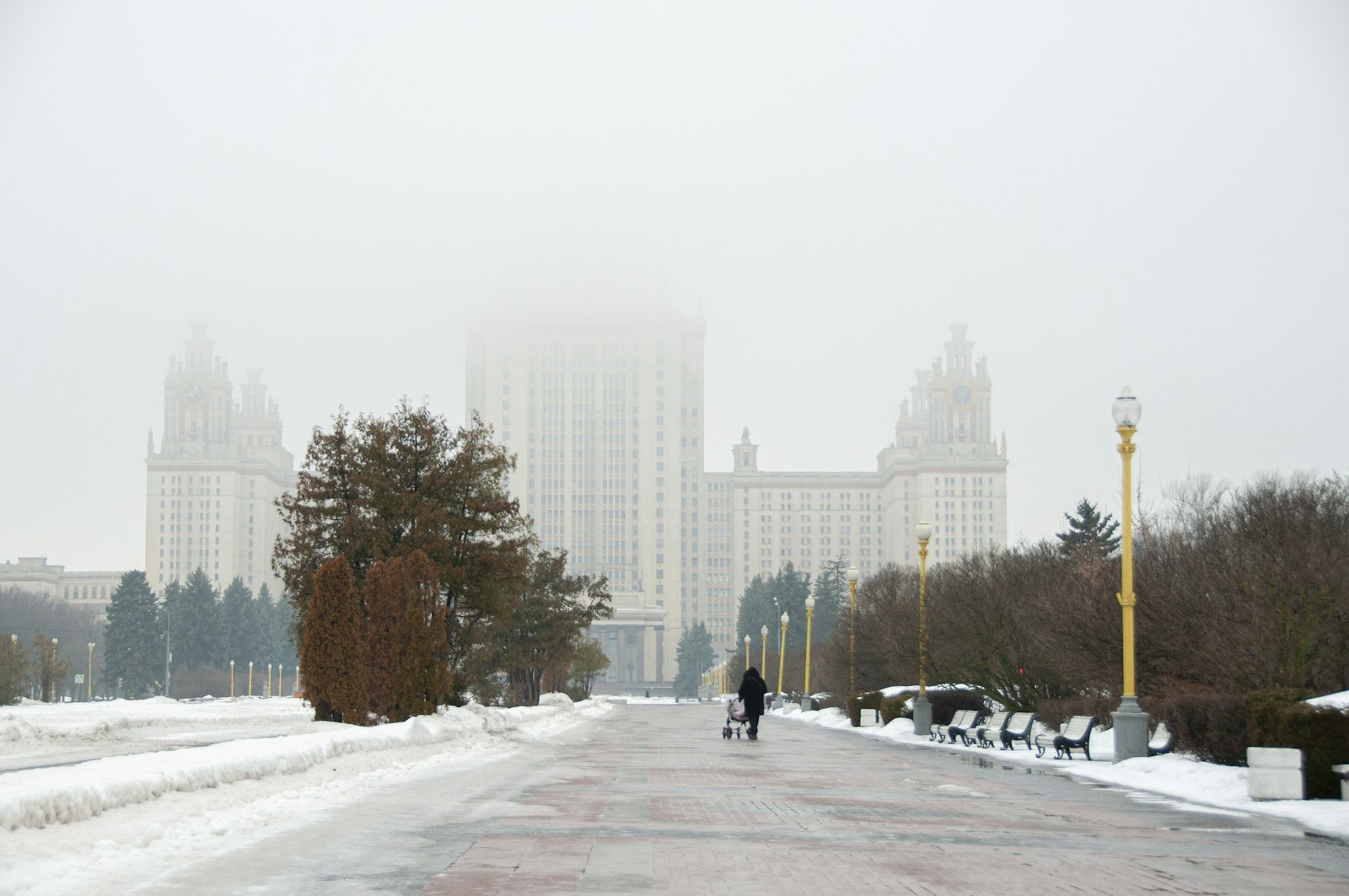
As 2026 kicks off, Moscow is experiencing a notably colder winter than what residents have come to expect. This unexpected chill has raised eyebrows and sparked discussions about the implications of climate change on the region’s weather patterns. The stark contrast to previous winters has left many wondering what this means for the future.
Unseasonably Cold Weather ❄️
The beginning of January 2026 has brought temperatures significantly lower than the historical averages for this time of year. While Moscow typically enjoys a mix of cold but manageable winter weather, this year has seen frigid conditions that have caught many off guard.
The city recorded temperatures dipping below -10°C, which is quite a departure from the usual winter climate. For context, the average January temperature in Moscow hovers around -6°C, making this year’s readings particularly alarming. Residents are bundling up more than ever, with winter gear becoming essential for daily commutes. The chill has also led to increased heating costs, as households scramble to stay warm. Reports indicate that heating bills have surged by as much as 30% compared to last year, placing additional strain on family budgets.
In addition to personal discomfort, this cold snap has impacted public services. Snow removal efforts have ramped up, and transportation systems are facing delays. The city’s infrastructure is being tested as it deals with the harsh conditions. For example, the Moscow Metro, which usually operates smoothly even in winter, has reported delays due to icy tracks and increased passenger volumes as people seek warmer transportation options.
Climate Change Considerations 🌍
As scientists analyze this unusual weather pattern, many are linking it to broader climate change trends. The phenomenon of extreme weather events is becoming more common, and experts are urging residents to consider the long-term implications.
For instance, the Arctic region’s warming is believed to be influencing weather patterns in Europe, including Moscow. This could mean that such cold snaps may become more frequent in the future. A study published in the journal Nature Climate Change suggests that as the Arctic ice melts, it disrupts the polar vortex, leading to colder air spilling into lower latitudes. Understanding these connections is crucial for adapting to changing climates and preparing for potential disruptions.
Residents are encouraged to stay informed about weather forecasts and to be prepared for similar conditions in the coming weeks. For more insights on climate trends, check out our related post on /posts/climate-change-impacts. Additionally, local authorities are advising citizens to participate in community discussions about climate resilience and adaptation strategies.
Quick Takeaways 📌
- Moscow’s January 2026 temperatures are significantly below average.
- Increased heating costs and transportation delays are notable effects.
- Experts warn of potential future cold snaps linked to climate change.
- Residents are advised to prepare for ongoing cold conditions.
- Community engagement is essential for climate resilience.
FAQ ❔
What are the average winter temperatures in Moscow?
Typically, Moscow experiences winter temperatures ranging from -5°C to -10°C. This year, temperatures have dropped even lower, creating a stark contrast to the norm. Historical data shows that January 2025 had an average temperature of -6.5°C, making the current readings particularly concerning.
How is the cold weather affecting daily life in Moscow?
The colder temperatures have led to increased heating costs, transportation delays, and challenges for public services, as the city works to manage the snow and icy conditions. Schools have reported increased absenteeism as parents keep children home to avoid the harsh weather, and some businesses are adjusting hours to accommodate the difficult commuting conditions.
What can residents do to prepare for extreme cold?
Residents should stay updated on weather forecasts, ensure their heating systems are functioning properly, and dress in layers to combat the cold. It’s also advisable to have emergency supplies on hand in case of severe weather disruptions. Additionally, community centers are offering resources for those in need, including warm clothing drives and heating assistance programs.
Are there any long-term implications of this cold snap?
Yes, experts suggest that this cold snap may be indicative of a shift in weather patterns due to climate change. If the Arctic continues to warm, Moscow and other regions may experience more frequent and severe winter weather events. This could have implications for infrastructure, energy consumption, and public health, making it essential for residents and policymakers to adapt accordingly.
How can I stay informed about future weather patterns?
Residents can stay informed by following local meteorological services, subscribing to weather apps, and engaging with community forums that discuss climate and weather-related issues. The Russian Federal Service for Hydrometeorology and Environmental Monitoring (Roshydromet) provides regular updates and forecasts that can help residents prepare for upcoming weather conditions.